
In the heart of Solok Selatan Regency, a quiet revolution is taking root, quite literally. CV Pangean Raya TBS, an oil palm nursery business, is tackling the age-old challenge of manual watering with a modern twist—Internet of Things (IoT) technology. The result? A smart, automatic watering system that’s not just saving water and labor but also boosting seedling quality.
The manual watering process, as lead author Dian Eka Putra explains, is fraught with inefficiencies. “It’s time-consuming, labor-intensive, and often leads to uneven water distribution,” Putra notes. This inconsistency can significantly impact the quality of oil palm seedlings, a critical factor for any nursery business.
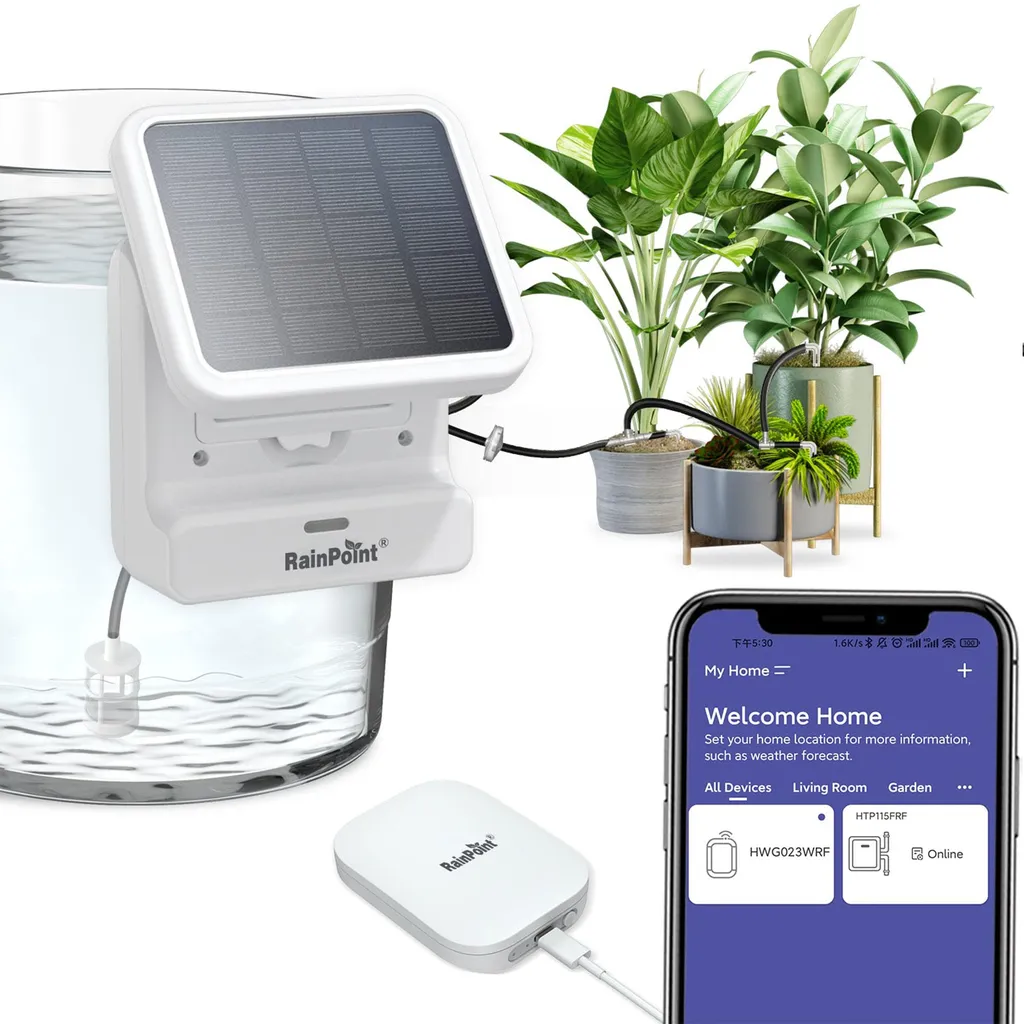
Enter the IoT-based automatic watering system. This innovative solution leverages a soil moisture sensor, an ESP32 module, and a Real-Time Clock (RTC) to monitor soil conditions in real time. When the soil moisture drops below a certain threshold, the system kicks into action, watering the seedlings automatically. But here’s the kicker—it’s not just about automation. The system also allows for manual control via a smartphone, enabling nursery workers to intervene when necessary, such as during rainfall, to prevent water wastage.
The commercial implications for the agriculture sector are substantial. “This system can help plantation owners optimize water usage, increase seedling productivity, and reduce dependence on manual labor,” Putra states. In an industry where every drop of water and every hour of labor counts, these are not insignificant benefits.
The research, published in the Jurnal Teknoif Teknik Informatika Institut Teknologi Padang, underscores the potential of IoT in transforming traditional agricultural practices. As the world grapples with climate change and resource scarcity, such innovations could pave the way for more sustainable and efficient farming methods.
But this is just the beginning. The success of this system in oil palm nurseries could inspire similar applications in other crops and agricultural settings. Imagine vineyards, orchards, or even large-scale farms equipped with smart sensors and automated systems, all working in harmony to conserve resources and enhance productivity.
As we stand on the brink of a new agricultural revolution, one thing is clear: the future of farming is smart, connected, and increasingly automated. And it all starts with a single seedling, a smart sensor, and a commitment to innovation.