
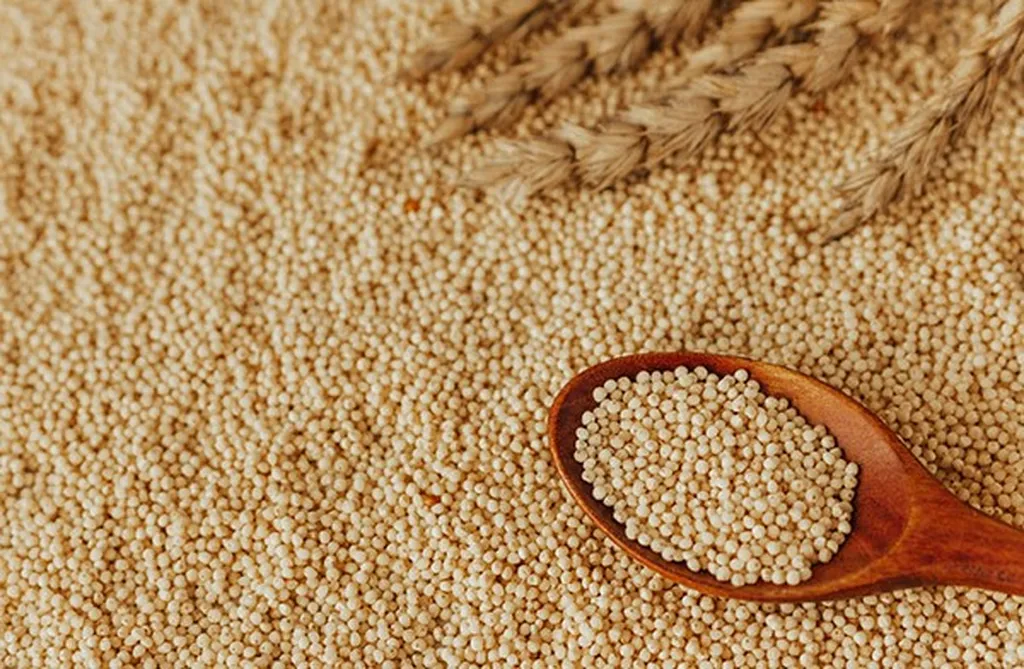
In the heart of Indonesia, a humble cereal crop is gaining attention for its resilience and potential to bolster food security. Foxtail millet, a crop often overshadowed by its more popular counterparts like rice and wheat, is stepping into the spotlight thanks to a recent study published in the ‘Hayati Journal of Biosciences’. The research, led by Marisa Vidya Luthfiani from the Plant Breeding and Biotechnology Study Program at IPB University, Bogor, Indonesia, delves into the panicle traits of foxtail millet and their impact on productivity, offering promising insights for the agriculture sector.
Foxtail millet is known for its ability to thrive in harsh climates, making it a valuable crop for sustainable agriculture. The study evaluated eight genotypes of Indonesian foxtail millet, focusing on 31 panicle traits. The goal was to identify traits associated with high yield and to determine which traits could be used to select high-productivity genotypes.
The findings revealed that traits such as grain filling rate, panicle weight, grain weight per panicle, grain weight per plant, and grain numbers on the middle and lower primary branches were positively correlated with yield. These traits also showed high broad-sense heritability, indicating that they could be reliably passed on to future generations of crops. “This is a significant finding,” Luthfiani explained, “as it provides a clear path for breeders to select and develop high-yielding foxtail millet varieties.”
The study also identified four high-yielding genotypes: Buru, ICERI-7, Hambapraing, and Mauliru-2. These genotypes could serve as a foundation for future breeding programs aimed at improving foxtail millet productivity.
The commercial implications of this research are substantial. As the world grapples with climate change and the need for sustainable agriculture, crops like foxtail millet that can thrive in harsh conditions become increasingly important. By identifying key traits associated with high yield, this research paves the way for the development of more productive and resilient foxtail millet varieties. This could not only boost food security but also open up new opportunities for farmers and the agriculture sector as a whole.
Looking ahead, this research could shape future developments in foxtail millet breeding programs, not just in Indonesia but globally. As Luthfiani noted, “The insights gained from this study can be applied to foxtail millet breeding programs worldwide, helping to improve yield and resilience in the face of climate change.”
In the ever-evolving landscape of agriculture, this study serves as a reminder of the potential that lies in often-overlooked crops. With further research and development, foxtail millet could play a pivotal role in shaping the future of food security and sustainable agriculture.