
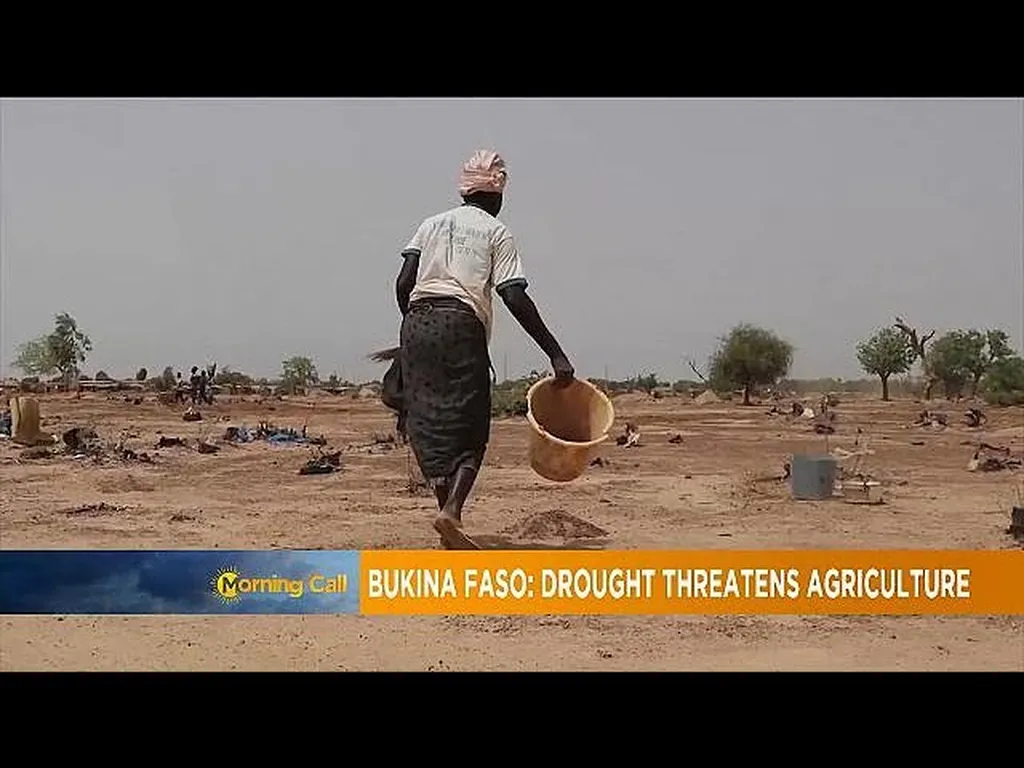
In the heart of Burkina Faso, a silent crisis is unfolding, one that threatens the lifeblood of rural communities and the agricultural sector. The Toukomtoré reservoir, a critical infrastructure supporting local livelihoods, is slowly being choked by sediment accumulation, a problem that resonates across the Sudano-Sahelian zone. A recent study published in the *Journal of Degraded and Mining Lands Management* sheds light on this pressing issue, offering insights that could shape future land management strategies.
The research, led by Adama Ilboudo from the Department of Earth Sciences at the University of Joseph KI-ZERBO, employed an integrated approach to assess sediment accumulation in the Toukomtoré reservoir. By analyzing sediment cores and particle size distribution, the team uncovered a stark reality: the reservoir has lost nearly a meter of its storage capacity due to sedimentation, with some areas accumulating up to 119 cm of sediment.
“This sedimentation is not just a local issue; it’s a regional challenge that demands immediate attention,” Ilboudo emphasized. The study revealed that the upstream and central zones of the reservoir are particularly affected, with sand dominating the sediment composition. The surface layers show an enrichment of silt and clay, indicating recent deposition, a trend that could severely impact the reservoir’s functionality and, consequently, the agricultural sector.
The implications for agriculture are profound. Sedimentation reduces the reservoir’s storage capacity, limiting the water available for irrigation and threatening the resilience of rural livelihoods. The study identified critical drivers of degradation, including steep watershed slopes, sparse vegetation, unsustainable tillage practices, and the absence of soil conservation structures. These factors not only accelerate land degradation but also pose a significant commercial risk to the agricultural sector, which relies heavily on these reservoirs for water supply.
The research highlights the urgent need for integrated watershed interventions. “We recommend the implementation of vegetative buffers, check dams, and agroforestry practices to mitigate erosion and prolong the lifespan of these critical infrastructures,” Ilboudo stated. These measures could not only enhance water retention but also improve soil health, ultimately benefiting the agricultural sector.
The study’s findings are a wake-up call for policymakers and stakeholders in the agricultural sector. By providing actionable data, it offers a roadmap for sustainable land management practices that can safeguard water resources and support rural livelihoods. As the agricultural sector grapples with the challenges of climate change and land degradation, such research becomes increasingly vital.
The study, published in the *Journal of Degraded and Mining Lands Management* and led by Adama Ilboudo from the Department of Earth Sciences at the University of Joseph KI-ZERBO, serves as a catalyst for change. It underscores the importance of proactive measures in combating land degradation and ensuring the sustainability of agricultural practices in the Sudano-Sahelian zone. As we look to the future, the lessons from Toukomtoré could shape the development of resilient agricultural systems, ensuring food security and economic stability for communities across the region.