
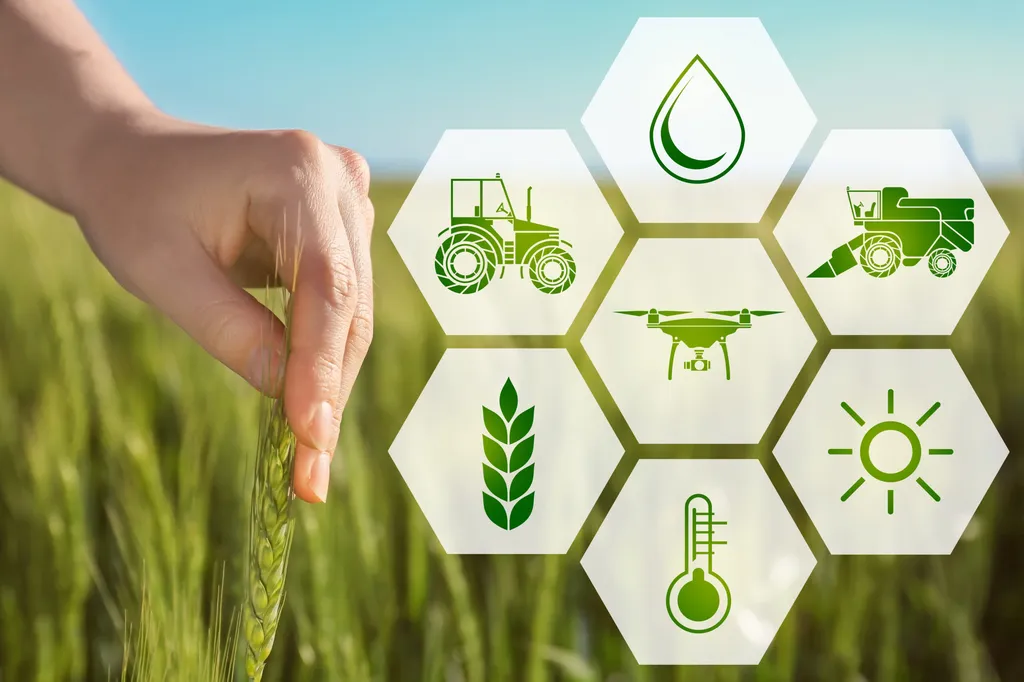
In the heart of Indonesia, where agriculture is the lifeblood of the economy, a technological revolution is brewing. Researchers at Universitas Muhammadiyah Surakarta have developed a smart farming system that could redefine agricultural efficiency. The system, detailed in a recent study published in ‘Emitor: Jurnal Teknik Elektro’, leverages the Internet of Things (IoT) to automate plant watering, potentially transforming the way farmers manage their crops.
The brainchild of lead author Tegar Tegar Zaky Prasetyo and his team, this innovative system uses soil moisture sensors and ESP32 modules to monitor soil humidity, temperature, and weather conditions. “The goal is to make the agricultural sector more superior in Indonesia,” Prasetyo explains. “We aim to increase the efficiency of agricultural production using IoT technology.”
The system works by detecting the water content in the soil. If the humidity drops below a certain threshold, the sensor sends data to the ESP32 module, which then activates a water pump to irrigate the crops. This automated process ensures that plants receive the right amount of water at the right time, reducing water waste and improving crop yields.
The commercial implications of this research are significant. For farmers, this technology means reduced labor costs and increased productivity. “This system can help farmers save time and effort,” Prasetyo notes. “It allows them to focus on other aspects of farming while ensuring that their crops are well-watered.”
Moreover, the system’s ability to collect and transmit data to the cloud via the IoT platform Blynk opens up new possibilities for data-driven agriculture. Farmers can access real-time data on soil moisture, temperature, and weather conditions, enabling them to make informed decisions about their crops.
The research also highlights the potential for renewable energy integration. The system uses solar panels to power the sensors and pumps, with the INA219 sensor monitoring the voltage, current, and power of the load. This eco-friendly approach not only reduces energy costs but also promotes sustainable farming practices.
Looking ahead, this research could pave the way for more advanced smart farming technologies. As Prasetyo envisions, “Future developments could include integrating artificial intelligence to predict weather patterns and optimize water usage, or using drones for aerial monitoring of crops.”
In the rapidly evolving world of agritech, this study is a testament to the power of innovation. By harnessing the potential of IoT technology, farmers can overcome traditional challenges and embrace a more efficient, sustainable future. As the agricultural sector continues to evolve, such advancements will be crucial in meeting the growing demand for food while minimizing environmental impact.