
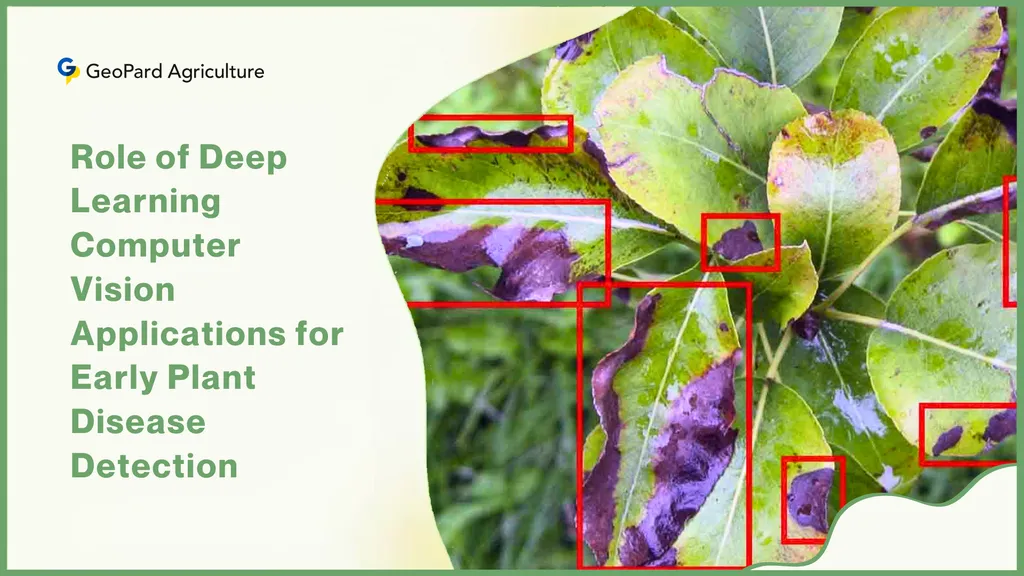
In the heart of Indonesia’s agricultural landscape, a quiet revolution is taking root, one that could reshape how we detect and combat plant diseases. Researchers are turning to digital image processing and machine learning to create more efficient, accurate, and scalable solutions for plant disease detection. This technological shift could have profound implications for the agriculture sector, potentially boosting yields and safeguarding the economy from the devastating impacts of crop failure.
At the forefront of this research is Leni Fitriani, a computer scientist from the Department of Computer Science at Institut Teknologi Garut. Her work, published in the JOIN: Jurnal Online Informatika, reviews the current state of plant disease detection methods, highlighting the opportunities and challenges that lie ahead. “Machine learning, particularly when combined with image processing, offers a powerful tool for identifying plant diseases,” Fitriani explains. “The key lies in developing more effective algorithmic models that can reliably interpret plant images and detect diseases with high accuracy.”
The potential commercial impacts of this research are substantial. Plant diseases can wreak havoc on crops, leading to significant financial losses for farmers and threatening food security. By leveraging digital image processing, farmers could gain access to early and accurate disease detection, enabling them to take timely action and mitigate potential damage. This technology could also streamline the decision-making process, reducing the need for manual inspections and allowing for more efficient use of resources.
However, the path forward is not without its challenges. Fitriani’s research identifies several gaps in the current literature, including the need for more diverse and comprehensive datasets, improved algorithms, and robust validation methods. “While the potential is immense, we must address these challenges to ensure the reliability and scalability of these technologies,” she notes.
The future of plant disease detection lies in the intersection of computer science and agriculture. As researchers like Fitriani continue to push the boundaries of digital image processing and machine learning, we can expect to see more innovative solutions emerge. These advancements could not only transform the way we detect plant diseases but also pave the way for more sustainable and productive agricultural practices.
In the coming years, the agriculture sector could witness a significant shift towards technology-driven solutions. The integration of digital image processing and machine learning into plant disease detection could revolutionize the way farmers monitor and manage their crops. This technological leap could lead to increased yields, reduced losses, and a more resilient agricultural sector, ultimately benefiting both farmers and consumers alike. As Fitriani’s research suggests, the future of agriculture is not just about cultivating crops but also about cultivating innovative technologies that can support and enhance this vital sector.