
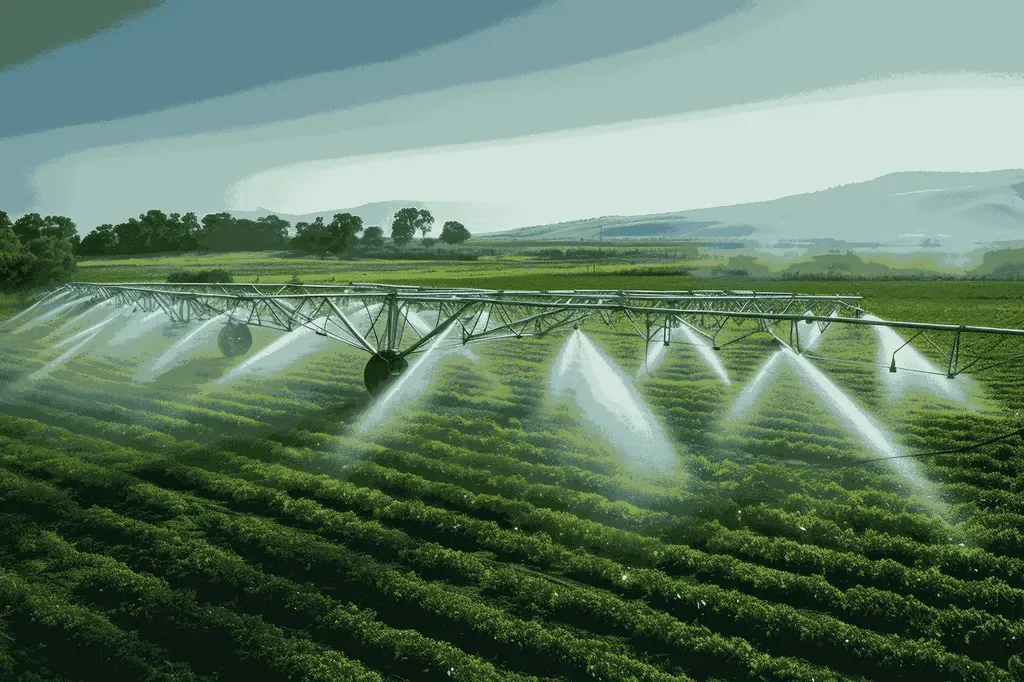
In the heart of Indonesia, a quiet revolution is taking root, one that promises to transform the way rice fields are irrigated and managed. Researchers have developed a smart irrigation system based on the Internet of Things (IoT) architecture, specifically tailored for rice fields in Gadon village. This innovation, published in ‘JOIN: Jurnal Online Informatika’ and led by R. Hafid Hardyanto from the Informatics department at Universitas PGRI Yogyakarta, could have significant commercial impacts for the agriculture sector, both locally and globally.
Traditional irrigation systems often suffer from inefficiencies, leading to water wastage and increased resource demands. The new IoT-based system aims to address these issues head-on. “The purpose of this research is to create a 4-layer IoT architecture for smart irrigation,” explains Hardyanto. “This system utilizes IoT technology to facilitate irrigation, making it more efficient and effective.”
The system is composed of four key layers. The first is the Smart Things layer, which includes water level and pH sensors, controlled by an ESP8266 microcontroller. The second layer, Networks and Gateways, consists of a router that connects the smart devices to the internet. The third layer is the Middleware, which processes and manages the data. Finally, the Application layer features an android application that serves as the user interface for farmers.
The commercial implications of this research are substantial. By optimizing water usage, farmers can reduce costs and improve crop yields, directly impacting their bottom line. “This system contributes directly to the convenience of farmers in managing irrigation of rice fields using ESP8266-based IoT applications,” notes Hardyanto. “It also provides water level information to facilitate the irrigation process.”
The potential for scalability is immense. As the global population grows, so does the demand for food. Efficient irrigation systems can help meet this demand by maximizing crop production while minimizing resource use. This research could pave the way for similar systems to be developed and deployed in other regions, benefiting farmers and the agriculture sector as a whole.
Moreover, the integration of IoT technology in agriculture opens up new avenues for innovation. Future developments could include predictive analytics for crop management, automated pest control, and even drone-based monitoring. The possibilities are vast, and this research is just the beginning.
As the world grapples with the challenges of climate change and resource scarcity, innovations like this smart irrigation system offer a beacon of hope. By leveraging technology, we can create more sustainable and efficient agricultural practices, ensuring food security for future generations. The research led by Hardyanto is a testament to the power of innovation and its potential to transform the agriculture sector.