
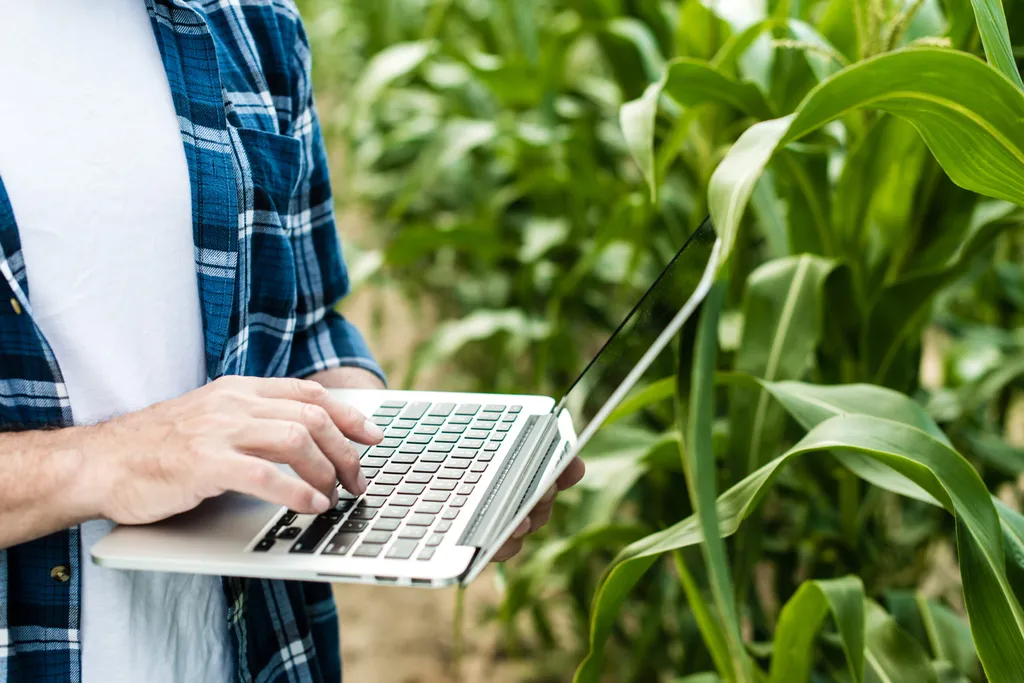
Modern farming has undergone a significant transformation in recent years, shifting from traditional manual observation to real-time, data-driven decision-making. This evolution is driven by advancements in technology that enable continuous monitoring of fields and instant actions such as watering or weed removal. Unlike the past, where farmers had to wait for human review to address issues, today’s agriculture leverages real-time data to make immediate adjustments, enhancing efficiency and productivity.
One of the most compelling aspects of modern farming is its impact on the role of farmers. Contrary to the misconception that technology replaces farmers, it actually reduces repetitive and physically demanding tasks. Farmers now have more time to focus on strategic planning, crop management, and business decisions. This shift not only improves the quality of life for farmers but also allows them to optimize their operations more effectively.
Water and input management have also seen remarkable improvements. Modern farming technologies ensure that water, fertilizers, and chemicals are applied precisely where needed. This targeted approach means that each section of a field or even individual plants receive the exact amount of resources required, minimizing waste and maximizing efficiency. This precision not only conserves valuable resources but also reduces the environmental impact of farming practices.
Yield and harvest predictions have become increasingly accurate with the advent of advanced models. These models can forecast output with high reliability, enabling farmers to plan for storage, transport, and sales well before the harvest begins. This foresight is crucial for managing supply chains and meeting market demands efficiently.
Despite these advancements, several challenges slow the adoption of modern farming technologies. Cost remains a significant barrier, as many small-scale farmers may not have the financial resources to invest in new technologies. Connectivity gaps in rural areas also hinder the implementation of data-driven farming practices. Additionally, concerns over data ownership and privacy pose challenges, as farmers need to trust the systems they are using.
In conclusion, modern farming is characterized by real-time decision-making, reduced physical labor for farmers, precise resource management, and accurate yield predictions. While these advancements offer numerous benefits, challenges such as cost, connectivity, and data ownership must be addressed to ensure widespread adoption. As the agriculture industry continues to evolve, the integration of technology will play a pivotal role in shaping the future of farming.