
In the quest for sustainable agriculture, researchers are turning to innovative solutions to tackle the challenges posed by livestock manure. A recent study published in *Resources, Environment and Sustainability* sheds light on the transformative potential of pyrolysis, a thermochemical process that could revolutionize manure management and heavy metal stabilization. The research, led by Fengxiao Zhao from the Guangzhou Institute of Energy Conversion, Chinese Academy of Sciences, offers a comprehensive look at how pyrolysis can be harnessed to create safe biochar and promote sustainable agricultural practices.
Livestock manure, while a valuable source of nutrients, often contains high levels of heavy metals such as copper, zinc, and cadmium. These metals, introduced through feed additives and intensive farming practices, can accumulate in the soil, disrupt nutrient cycles, and pose risks to ecosystems. Traditional management methods often fall short in addressing these issues effectively. However, pyrolysis presents a promising alternative.
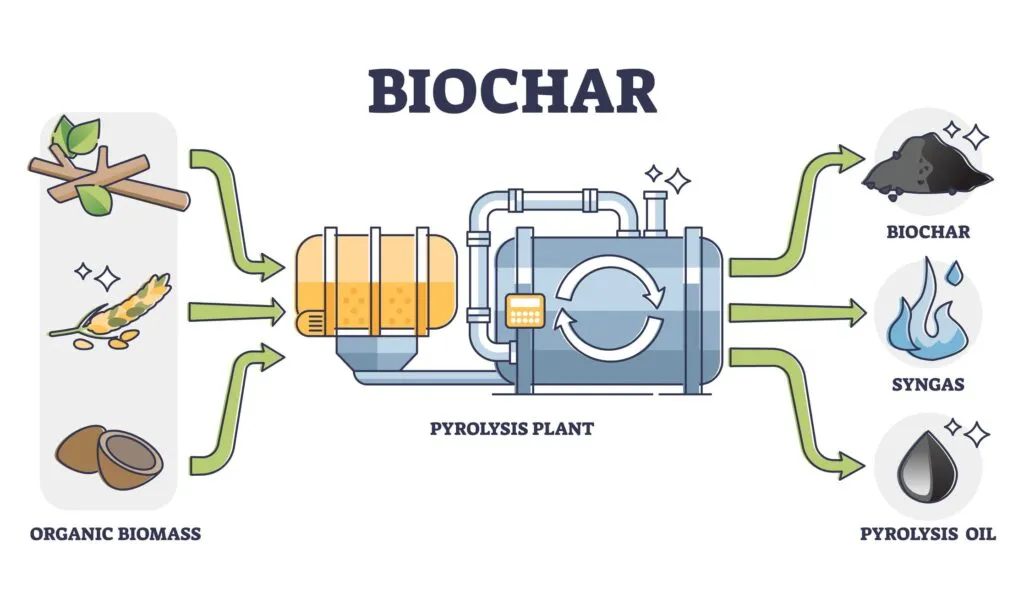
Pyrolysis involves heating organic materials in the absence of oxygen, converting them into biochar, a stable carbon-rich product. This process not only stabilizes heavy metals but also recovers energy and recycles nutrients. “Pyrolysis is a versatile tool that can simultaneously address multiple environmental and agricultural challenges,” explains Zhao. “By transforming manure into biochar, we can mitigate pollution risks and enhance soil fertility.”
The study delves into the mechanistic insights of thermal-induced changes in heavy metal speciation and mobility. Through encapsulation, complexation, and mineralization, pyrolysis stabilizes heavy metals, reducing their bioavailability and potential toxicity. The research also critically assesses sequential extraction methods, providing a robust framework for evaluating the effectiveness of these processes.
One of the most intriguing aspects of the study is its exploration of the synergistic effects of co-pyrolysis and mineral additives. By combining different feedstocks and additives, researchers can optimize the pyrolysis process to enhance heavy metal stabilization and improve the quality of the resulting biochar. This approach not only boosts the efficiency of the process but also opens up new avenues for commercial applications in the agriculture sector.
The commercial implications of this research are significant. As the demand for sustainable and eco-friendly agricultural practices grows, the development of safe and effective biochar products becomes increasingly important. Farmers and agricultural businesses can benefit from the use of biochar as a soil amendment, improving soil health and crop yields while minimizing environmental impact. “The integration of pyrolysis into manure management practices can provide a sustainable solution that benefits both farmers and the environment,” says Zhao.
The study also highlights the importance of bridging molecular-scale mechanisms with sustainable resource management. By understanding the fundamental processes involved in heavy metal transformation, researchers can develop more effective strategies for integrated manure management and broader sustainability goals. This cross-disciplinary perspective is crucial for guiding future research and policy frameworks.
As the agriculture sector continues to evolve, the adoption of innovative technologies like pyrolysis will play a pivotal role in shaping a more sustainable future. The research led by Fengxiao Zhao offers valuable insights into the potential of pyrolysis to transform livestock manure into a valuable resource, paving the way for safer and more sustainable agricultural practices. With further advancements and commercial applications, this technology could become a cornerstone of modern agriculture, benefiting farmers, consumers, and the environment alike.