
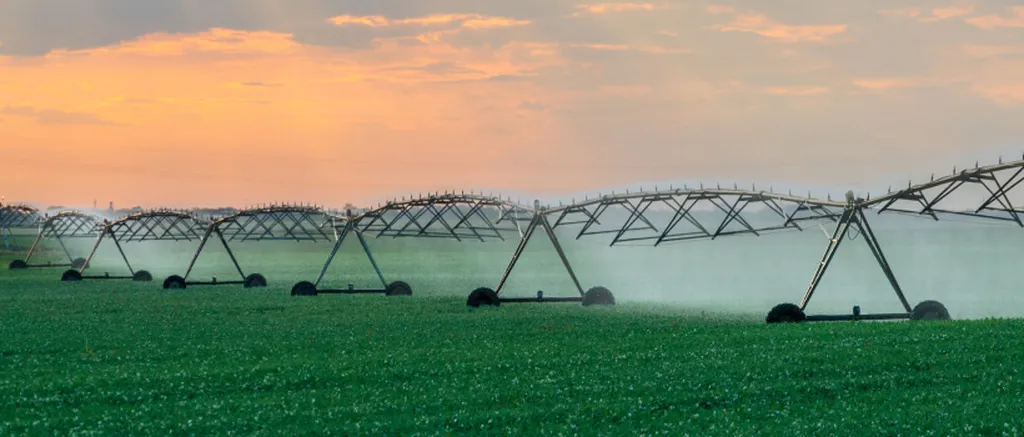
In the ever-evolving landscape of modern agriculture, the pursuit of efficiency and sustainability has led to the development of innovative technologies that are reshaping traditional farming practices. One such technology is the once human automatic irrigation system, a cutting-edge solution that is gaining traction among farmers worldwide.
This advanced irrigation setup is designed to optimize water usage and crop yield, addressing the pressing needs of an industry grappling with climate change and the growing demand for food. By automating the irrigation process, the once human system ensures that water is delivered precisely when and where it is needed, minimizing waste and promoting healthier plant growth.
At the heart of the once human automatic irrigation system are several key components that work in tandem to deliver optimal results. Soil moisture sensors play a crucial role by monitoring the moisture levels in the soil, providing real-time data to the central controller. This controller processes the information and activates the water delivery system, which includes pipes, valves, and sprinklers, to distribute water to the crops. Many modern systems also offer remote access, allowing farmers to monitor and control the irrigation process from their smartphones or computers.
The benefits of implementing the once human automatic irrigation system are manifold. By reducing water waste, it contributes to water conservation efforts, a critical aspect in the face of increasing water scarcity. The automation of the irrigation process also saves time and labor, increasing overall efficiency. Moreover, the consistent moisture levels ensured by the system promote healthier plant growth, ultimately leading to improved crop health and yield. Over time, the system can also result in cost savings by lowering water bills and labor costs.
To successfully set up a once human automatic irrigation system, farmers need to assess their land, choose the right system, install sensors and controllers, and regularly test and adjust the system’s performance. It is also advisable to consult with agricultural specialists or irrigation experts to ensure optimal setup and maintenance.
However, the journey towards implementing this advanced irrigation system is not without its challenges. The initial cost of setting up the system can be high, and farmers need to weigh the long-term benefits against the upfront investment. Additionally, some farmers may require training to effectively use and maintain the technology. There is also the risk of over-reliance on technology, which can lead to issues if the system malfunctions.
As we delve deeper into the 21st century, the once human automatic irrigation system presents an exciting opportunity for agricultural innovation. By embracing this technology, farmers can enhance their productivity and contribute to sustainable practices that benefit the environment. While challenges exist, the potential rewards are significant, making it a worthwhile consideration for anyone looking to improve their farming operations.