
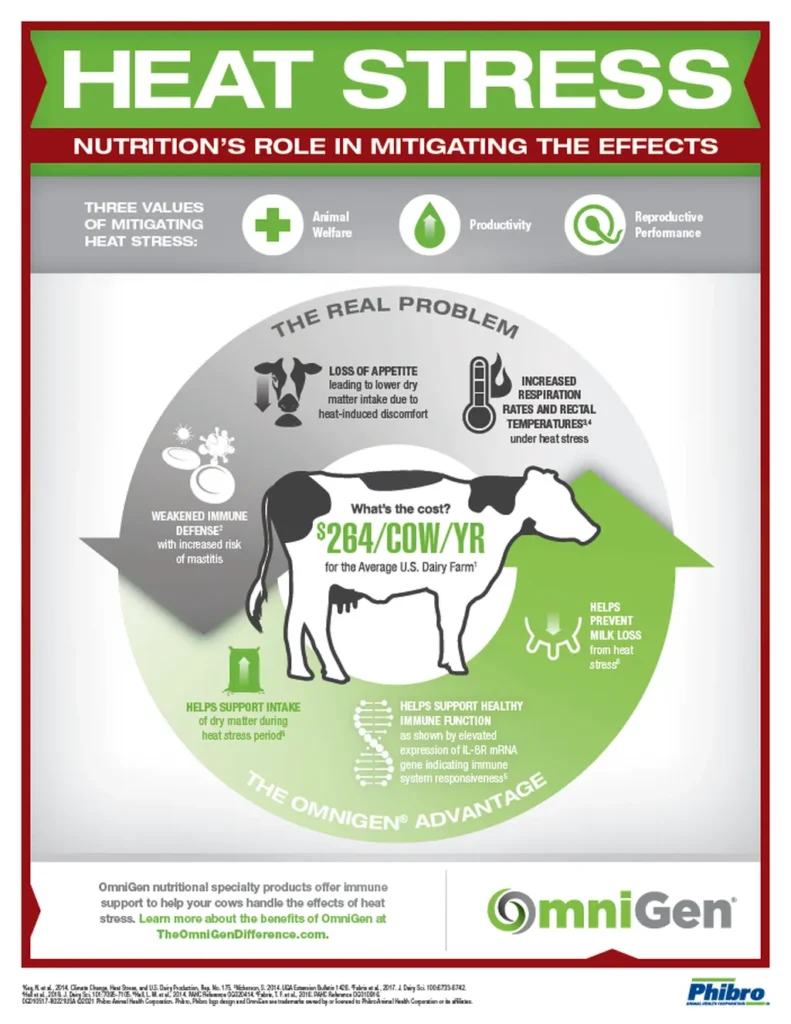
In the face of escalating climate challenges, a recent study published in *Theoretical and Applied Veterinary Medicine* sheds light on the physiological toll of chronic heat stress on dairy cows, with significant implications for the agricultural sector. Led by O. V. Danchuk from the Institute of Climate-Smart Agriculture of the National Academy of Agrarian Sciences of Ukraine, the research delves into the hematological and biochemical responses of Ukrainian Black-and-White cows under prolonged heat stress conditions.
The study, conducted on ten lactating cows divided into high-yielding (30–35 L/day) and low-yielding (18–23 L/day) groups, revealed stark differences in how these animals cope with elevated temperature-humidity index (THI) conditions. “High-yielding cows exhibited a greater reduction in red blood cell count, hemoglobin concentration, and platelet number during heat stress,” Danchuk noted, indicating impaired erythropoiesis and thrombopoiesis. These findings suggest that high-performing dairy cows are more vulnerable to heat stress, which could have profound commercial impacts.
The research highlights that heat stress not only affects blood parameters but also triggers significant biochemical changes. High-yielding cows showed marked increases in serum enzymes like ALT, AST, GGT, and CK, pointing to liver and muscle damage. Additionally, decreases in albumin, glucose, calcium, and magnesium levels indicated compromised protein synthesis, hypoglycemia, and mineral imbalance. “These changes reflect a disruption in homeostasis, which is critical for the overall health and productivity of dairy cows,” Danchuk explained.
In contrast, low-yielding cows demonstrated a more resilient metabolic profile, maintaining relatively stable albumin and glucose levels and exhibiting less pronounced enzyme leakage. This resilience could be attributed to their lower metabolic rate and energy demands, suggesting that genetic selection and management practices could play a pivotal role in enhancing thermotolerance in dairy herds.
The study underscores the importance of monitoring hematological and biochemical markers as early indicators of heat stress. “These markers can serve as sensitive tools for detecting heat stress in dairy herds, allowing farmers to implement timely interventions,” Danchuk said. This proactive approach could mitigate productivity losses and ensure the sustainability of dairy farming in the face of climate change.
Looking ahead, the research paves the way for further investigations into the dynamics of these markers across different lactation stages and the potential of nutritional or nanoelement-based interventions to bolster thermotolerance. As climate change continues to pose challenges, understanding and addressing the physiological impacts of heat stress will be crucial for the agricultural sector. This study not only highlights the vulnerabilities of high-yielding cows but also offers a roadmap for developing strategies to enhance their resilience, ultimately securing the future of dairy farming.