
In the heart of Europe, a silent revolution is taking place beneath our feet. Soil health, a critical yet often overlooked component of sustainable agriculture, is gaining traction in scientific research, with significant implications for the future of farming and food security. A recent bibliometric review published in *Soil Advances* sheds light on the current state of soil health research in the European Economic Area (EEA), revealing trends, collaborations, and gaps that could shape the future of agriculture.
The study, led by Elsadig Omer of Discovery Center Nonprofit Ltd. in Hungary, analyzed 882 pre-reviewed publications from the Scopus database spanning from 2000 to 2024. Using VOSviewer, a tool for visualizing bibliometric networks, the researchers identified significant trends by examining keywords and their co-occurrence. The findings paint a vivid picture of the research landscape, highlighting both progress and areas needing urgent attention.
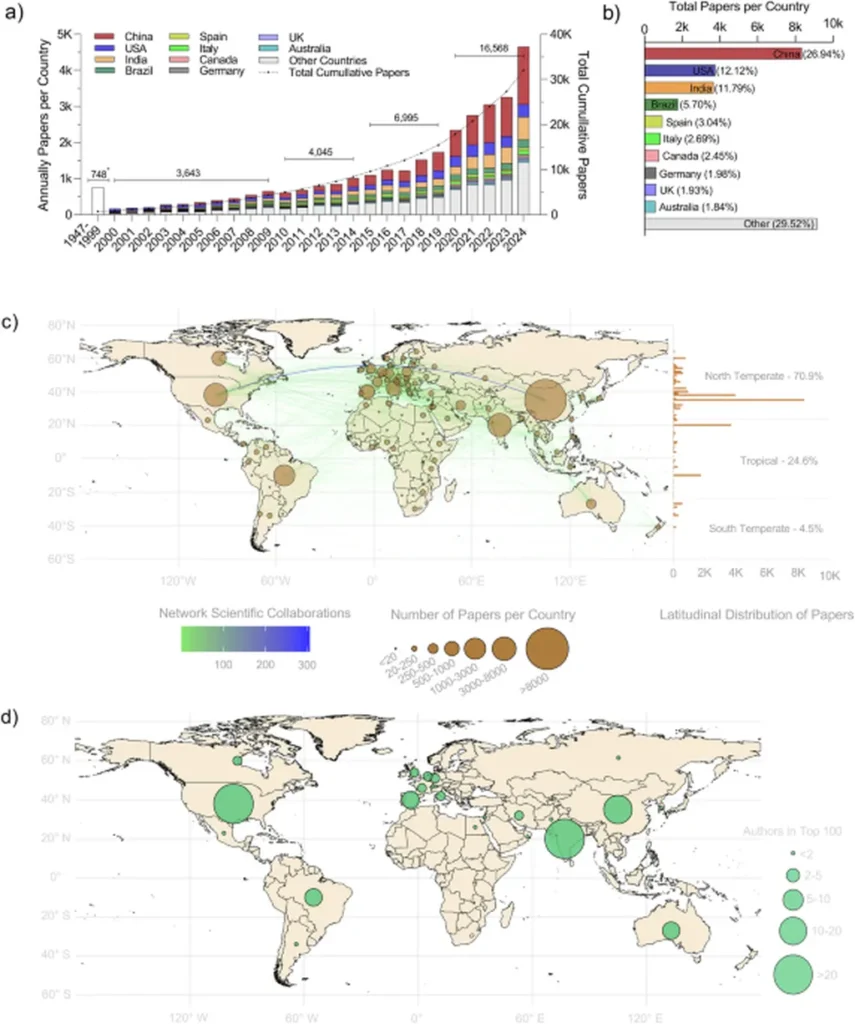
One of the most striking revelations is the geographical imbalance in research output. Western Europe, particularly Germany, Spain, and Italy, dominates the field, leaving Eastern and Southern Europe significantly underrepresented. This disparity could hinder the development of comprehensive, continent-wide strategies for soil health. “There’s a serious geographical imbalance in research,” Omer notes, emphasizing the need for more inclusive studies that encompass the diverse soil types and agricultural practices across Europe.
The thematic focus of the research is equally telling. Sustainable agriculture, soil health, and climate change emerge as core clusters, closely linked to soil carbon sequestration, land use, and soil degradation. These themes reflect the growing recognition of soil health as a multifaceted issue that intersects with broader environmental and agricultural challenges. However, the study also highlights a persistent gap between the multidimensional indicators emphasized in scientific research and the chemically focused parameters of current EU monitoring frameworks.
This disconnect could have significant commercial impacts for the agriculture sector. Farmers and agribusinesses are increasingly adopting regenerative agriculture practices aimed at improving soil health. Yet, without standardized biological indicators and a stronger alignment between scientific assessment and policy implementation, these efforts may fall short of their potential. “We need a stronger alignment of scientific assessment and policy implementation to promote soil health for sustainable agriculture across Europe,” Omer asserts.
The study’s findings underscore the need for more geographically comprehensive research and the standardization of biological indicator approaches. By addressing these gaps, Europe can foster a more resilient and sustainable agricultural sector, better equipped to meet the challenges of climate change and food security.
As the world grapples with the urgent need for sustainable agricultural practices, this bibliometric review serves as a crucial roadmap. It highlights the progress made and the work that lies ahead, offering a glimpse into how research can drive meaningful change in the field. For the agriculture sector, the message is clear: investing in soil health is not just an environmental imperative but a commercial necessity. By bridging the gap between science and policy, Europe can lead the way in creating a more sustainable and prosperous future for all.