
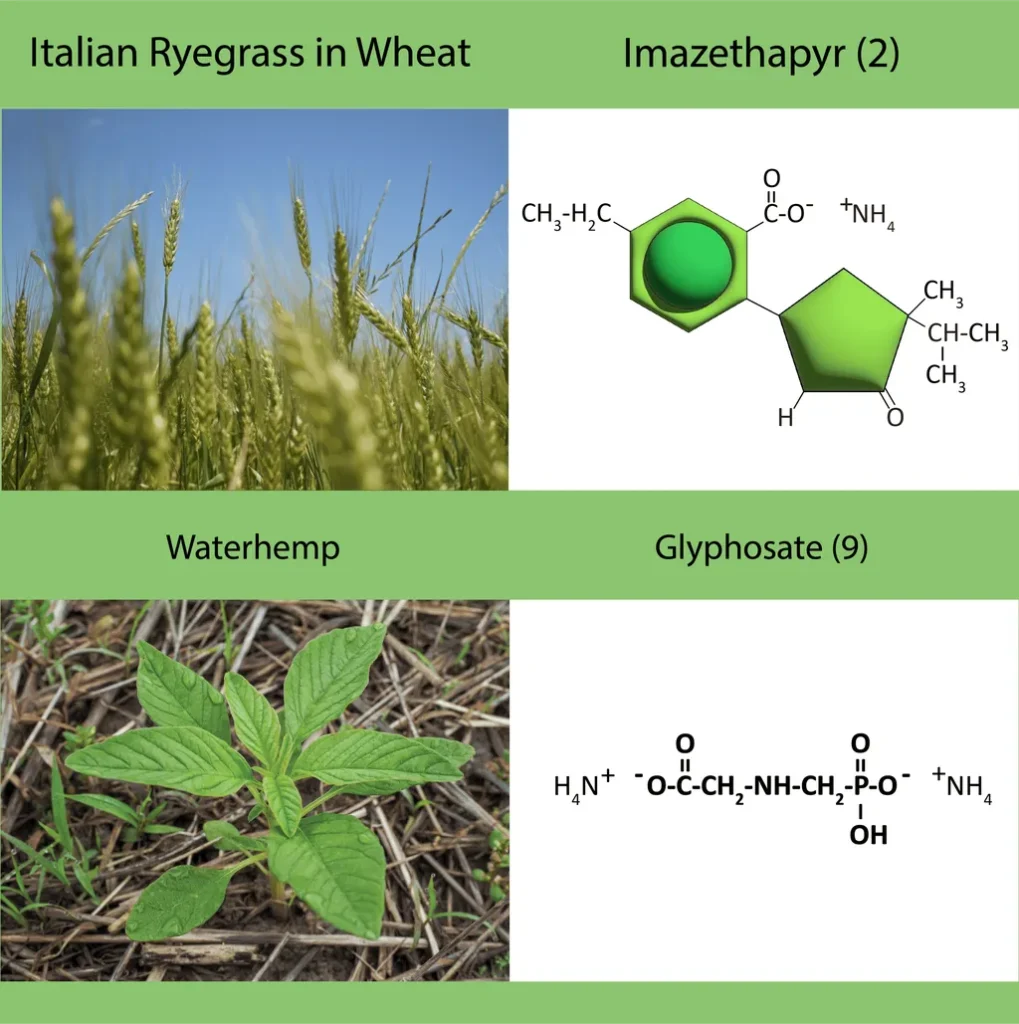
In the ever-evolving landscape of agriculture, the battle against weeds has taken a significant turn with the advent of herbicide-resistant (HR) crops. A comprehensive review published in the journal ‘Rice’ delves into the historical evolution, current dynamics, and future directions of HR crop development and integrated weed management (IWM) strategies. Led by Xiaodong Hou of the Provincial Key Laboratory of Agrobiology and Institute of Germplasm Resources and Biotechnology at the Jiangsu Academy of Agricultural Sciences, this research offers a nuanced look at how technology and innovation are reshaping weed management practices.
The review traces the origins of herbicide resistance in crops, highlighting the genetic and biotechnological advancements that have paved the way for crops resistant to various herbicidal modes of action. “The development of herbicide-resistant crops has been a game-changer in agriculture,” Hou notes. “It has not only enhanced crop yields but also provided farmers with more flexible and effective weed management options.”
However, the rise of herbicide-resistant weeds poses a significant challenge. The review explores the biological mechanisms of herbicide resistance in weeds and their implications for agricultural practices. This understanding is crucial for developing strategies that can mitigate the impact of resistant weeds on crop productivity.
One of the most promising areas of research highlighted in the review is the renewed efforts in herbicide discovery. Traditional methods of herbicide development are being supplemented with innovative approaches, including natural product research and advanced molecular techniques. These efforts are aimed at discovering new herbicides that can effectively target resistant weed populations.
The review also emphasizes the growing importance of integrated weed management (IWM). IWM is a multifaceted approach that combines chemical, cultural, and mechanical strategies to sustainably manage weed populations. “IWM is not just about using herbicides,” Hou explains. “It’s about integrating various strategies to create a comprehensive and sustainable weed management system.”
Non-chemical control measures, such as harvest weed seed control (HWSC) and breeding weed-competitive cultivars, are also gaining traction. These methods offer alternative solutions to herbicide use, reducing the risk of weed resistance and promoting environmental sustainability.
The review also discusses the potential of site-specific weed management (SSWM). SSWM involves the precise application of herbicides and other control measures to specific areas within a field, based on real-time data and analysis. This approach can significantly reduce herbicide use and minimize environmental impact.
Looking ahead, the review contemplates the challenges and policy implications associated with the widespread adoption of HR crops and IWM practices. It underscores the need for well-informed regulatory frameworks to ensure agricultural sustainability.
The research led by Hou offers a glimpse into the future of weed management, highlighting the role of technology and innovation in shaping agricultural practices. As the agriculture sector continues to evolve, the insights from this review could guide the development of more effective and sustainable weed management strategies, ultimately benefiting farmers and the environment alike.