
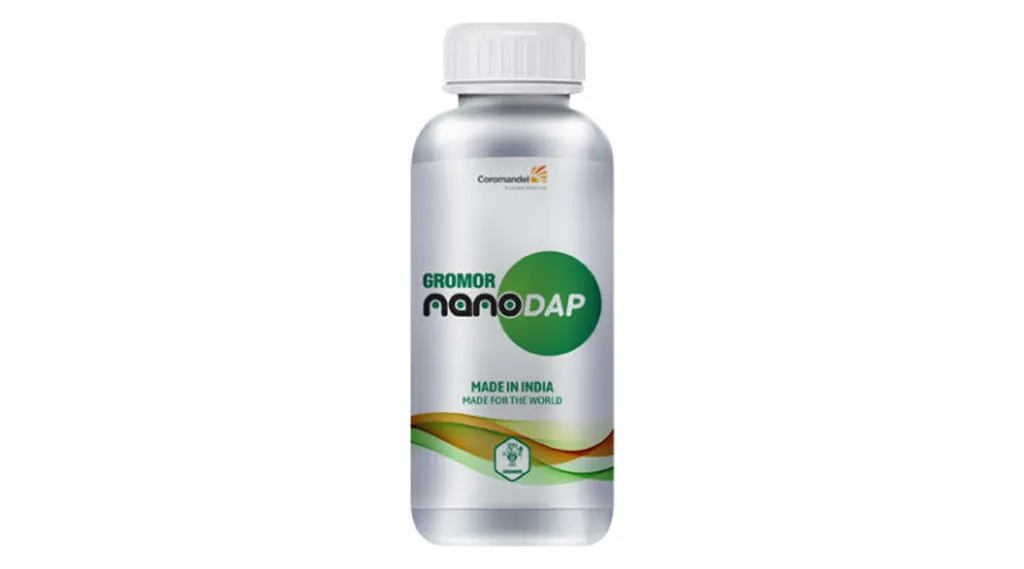
In the quest for sustainable agriculture, scientists are turning to nanotechnology to enhance crop productivity and nutrient use efficiency. A recent review published in *Sains Tanah: Journal of Soil Science and Agroclimatology* sheds light on the promising role of Nano-Diammonium Phosphate (Nano-DAP) in improving soil nutrient status and crop yields. Led by Nitish Karn from the School of Agriculture at Uttaranchal University, the research synthesizes existing studies to highlight the advantages of Nano-DAP over conventional fertilizers.
Traditional fertilizers like urea and Diammonium Phosphate (DAP) have long been the backbone of modern agriculture, but they come with significant drawbacks. Low nutrient use efficiency and environmental pollution are pressing concerns. “Conventional fertilizers often lead to nutrient loss through leaching and runoff, which not only reduces their effectiveness but also poses environmental risks,” explains Karn. This is where Nano-DAP steps in, offering a more efficient and eco-friendly alternative.
Nano-DAP enhances the solubility and availability of phosphorus in soil, a critical nutrient for plant growth. The review demonstrates that Nano-DAP significantly improves nutrient absorption, stimulates plant growth, and increases crop yields compared to traditional fertilizers. “The enhanced solubility of Nano-DAP ensures that plants can access nutrients more efficiently, leading to better growth and higher yields,” Karn notes. This improvement in nutrient use efficiency could revolutionize agricultural practices, making them more sustainable and productive.
The commercial implications of this research are substantial. For farmers, the adoption of Nano-DAP could mean higher crop yields and reduced fertilizer costs over time. For the agriculture sector as a whole, it presents an opportunity to move towards more sustainable practices that minimize environmental impact. “By improving nutrient use efficiency, Nano-DAP can help reduce the environmental footprint of agriculture, which is crucial for long-term sustainability,” Karn adds.
The review also evaluates the impact of Nano-DAP on various major field crops, providing a comprehensive overview of its potential applications. While the advantages are clear, the researchers also discuss potential limitations and the need for further studies to optimize its use. This balanced approach ensures that the findings are grounded in scientific rigor and practical considerations.
As the agriculture sector grapples with the challenges of feeding a growing population while minimizing environmental impact, innovations like Nano-DAP offer a glimmer of hope. The research by Karn and his team not only highlights the potential of nanotechnology in agriculture but also paves the way for future developments in sustainable farming practices. By embracing such innovations, the agriculture sector can enhance productivity, reduce costs, and contribute to a more sustainable future.