
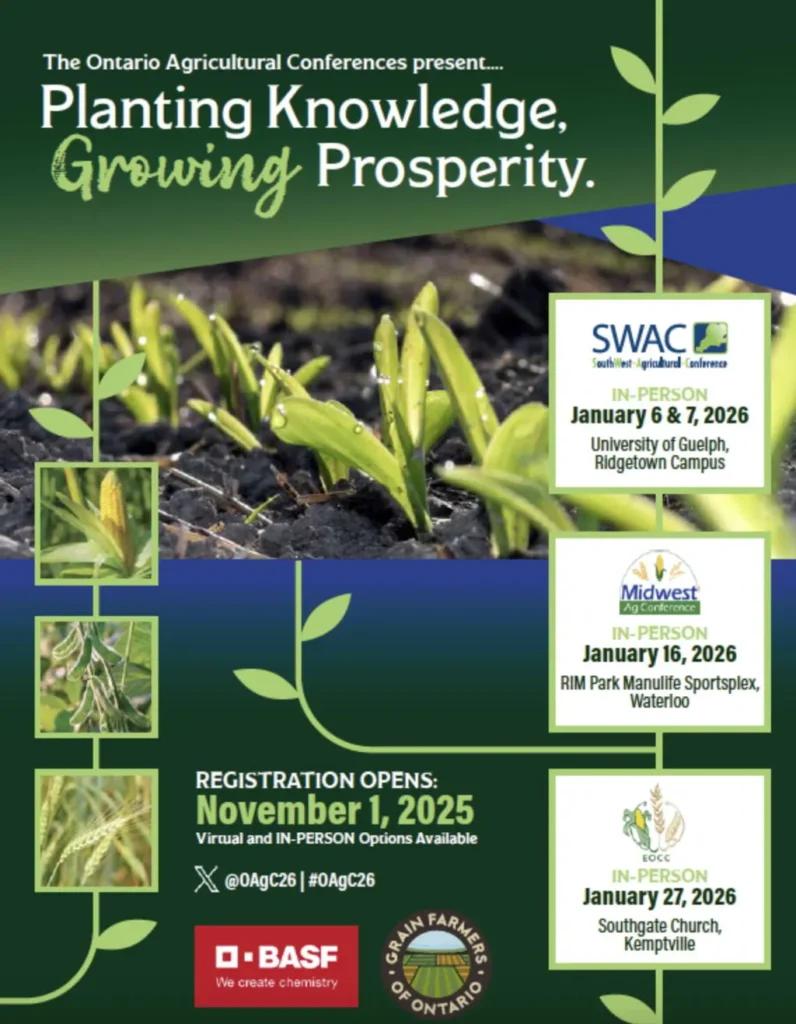
Ontario’s agricultural colleges are set to introduce over 30 innovative courses in sustainable farming practices by 2026, a move that underscores the province’s commitment to shaping the future of farming and agribusiness. As the most populous province in Canada, Ontario has long been a critical hub for agriculture, forestry, and sustainable natural resource management. The sector’s evolution, driven by challenges such as climate change, global food security, and rapid technological innovation, positions these colleges as pivotal in driving innovation, advancing research, and preparing the next generation of leaders for both rural and urban economies.
The core role of Ontario’s agricultural colleges extends beyond traditional education. They serve as specialized centers for research and extension services, offering a variety of programs that focus on disciplines like crop science, animal husbandry, agri-food technology, soil management, and agroforestry. By integrating theoretical knowledge with hands-on experience, these institutions equip students with the skills necessary to thrive in modern farming environments. These environments are increasingly reliant on data analytics, precision agriculture, and sustainable practices, making the role of these colleges crucial in maintaining Ontario’s competitive edge in the global agricultural landscape.
Leading institutions such as the University of Guelph’s Ontario Agricultural College (OAC) are at the forefront of this educational evolution. OAC is renowned for its comprehensive programs covering agriculture, environmental sciences, food science, and rural development. The college’s initiatives integrate biotechnology, crop genetics, livestock improvement, and climate-resilient farming methods, reflecting the pressing needs of 2025 and beyond. Additionally, Fleming College and Fanshawe College offer respected diplomas and applied degrees in agriculture, environmental management, and natural resources, with a focus on practical training in forage crop management, greenhouse operations, soil conservation, and agroforestry.
By 2026, the curriculum at these agricultural colleges will be redefined to match global demands and local challenges. The integration of artificial intelligence (AI), drones, geographic information systems (GIS), and remote sensing ensures that students are trained in modern precision farming techniques. Courses in advanced soil health restoration, precision agriculture practices using AI and drones, satellite technology for climate monitoring, and biodiversity preservation are just a few examples of the innovative programs being introduced. Furthermore, agri-entrepreneurship training covering digital markets and blockchain traceability for transparency is becoming a key component of the curriculum.
The implications of these educational advancements are significant. Skilled graduates will be well-equipped for both production and agri-research roles, ensuring job readiness through exposure to advanced analytics and farm management tools. Students will participate in real-world research projects, gaining hands-on experience in innovation and sustainable practices. The strong emphasis on climate adaptation, soil and water stewardship, and global trends in food and agro-science will provide graduates with a competitive edge in the job market.
In addition to curriculum innovation, agricultural colleges in Ontario are playing a vital role through outreach and extension services. These services ensure knowledge transfer to farmers, agribusinesses, and policy advisors, continuous upskilling through workshops and vocational training, and applied research derived from real-world trials and farm-based collaborations. The curriculum is adaptive, reflecting current and future environmental, market, and climate challenges, and includes initiatives addressing environmental sustainability, such as carbon footprint monitoring projects.
The strategic advantages of studying in Ontario’s agricultural colleges are manifold. Strong job placement rates, access to evolutionary research in food science and biotechnology, community and rural development through real-world extension services, and extensive networking opportunities in agriculture, natural resources, and agribusiness are just a few benefits. Furthermore, many agribusiness students in Ontario can access funding or credit through satellite-verified documentation, driving inclusion and innovation across farming communities.
As Ontario’s agricultural colleges continue to invest in digital technologies and climate-smart agriculture, they are poised to address the future of agri-business, natural resource management, and food systems. The introduction of over 30 innovative courses in sustainable farming practices by 2026 is a testament to their commitment to shaping the future of farming and agribusiness, ensuring that Ontario remains at the forefront of the global agricultural landscape.