
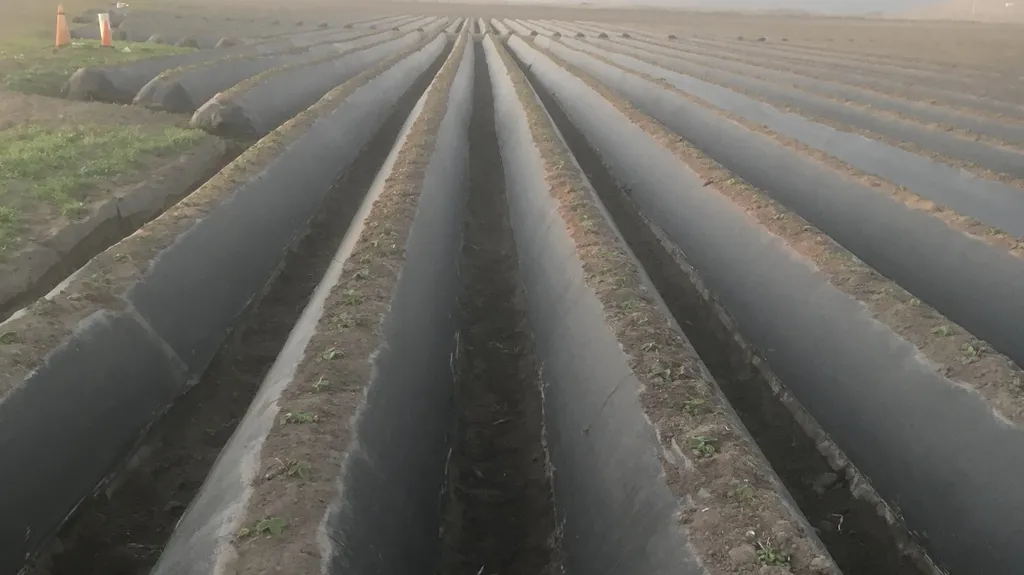
In the heart of modern agriculture, plastic mulch has long been a trusted ally, boosting crop yields by regulating soil temperature, retaining moisture, and keeping weeds at bay. Yet, as the saying goes, “there’s no such thing as a free lunch,” and the environmental cost of this agricultural staple is becoming increasingly apparent. A recent study published in *Sains Tanah: Journal of Soil Science and Agroclimatology* sheds light on the dark side of plastic mulch, revealing how its degradation contributes to microplastic contamination in agricultural soils, with significant implications for the industry.
The research, led by Muhammad Firman Azima from the Department of Physics at IPB University, investigates how different climatic conditions influence the degradation of plastic mulch and the subsequent release of microplastics. By comparing agricultural soils from Bogor’s humid climate and Lombok’s hot, dry environment, the study offers a stark reminder that the environmental impact of agricultural practices can vary greatly depending on local conditions.
The findings are clear: plastic mulch degrades faster in hotter, drier climates, leading to higher concentrations of microplastics in the soil. In Lombok, the study found an average of 455 ± 57.74 microplastic particles per kilogram of soil, compared to just 265 ± 43.59 particles in Bogor. This discrepancy is attributed to the accelerated degradation caused by higher temperatures, increased UV exposure, and greater microbial activity in Lombok’s climate.
Using a suite of analytical techniques, including FTIR spectroscopy, SEM, UV-Vis, and thermal conductivity measurements, the researchers characterized the degradation process and its impact on the soil. “The FTIR analysis confirmed the presence of oxidation-derived functional groups, such as C=O and O-H, indicating that the plastic mulch was undergoing significant chemical changes,” Azima explains. Thermal analysis revealed a decrease in the material’s thermal conductivity, while UV-Vis measurements showed increased polymer chain scission. SEM images provided visual evidence of the surface degradation, painting a vivid picture of the microplastics’ journey from mulch to soil contaminant.
The commercial implications of this research are substantial. As the agricultural sector grapples with the need to increase productivity while minimizing environmental impact, the findings underscore the urgency of adopting more sustainable alternatives to plastic mulch. The study’s results suggest that the choice of agricultural materials should take into account local climatic conditions, with farmers in hotter, drier regions potentially facing greater challenges in managing microplastic contamination.
Moreover, the research highlights the importance of ongoing monitoring and assessment of microplastic contamination in agricultural soils. As Azima notes, “Understanding the extent and impact of microplastic pollution is crucial for developing effective mitigation strategies and ensuring the long-term sustainability of our agricultural systems.”
The study’s findings also raise important questions about the future of agricultural practices. As the global climate continues to change, with temperatures rising and weather patterns becoming more unpredictable, the environmental impact of plastic mulch may become an even more pressing concern. The research suggests that the agricultural sector must adapt, exploring innovative solutions that balance the need for increased productivity with the imperative of environmental stewardship.
In the face of these challenges, the study offers a call to action for farmers, policymakers, and researchers alike. By highlighting the environmental risks of plastic mulch use, the research underscores the importance of investing in sustainable alternatives and adopting best practices to minimize microplastic contamination. As the agricultural sector navigates the complexities of the 21st century, the findings of this study serve as a timely reminder that the choices we make today will shape the future of our farms, our food, and our planet.