
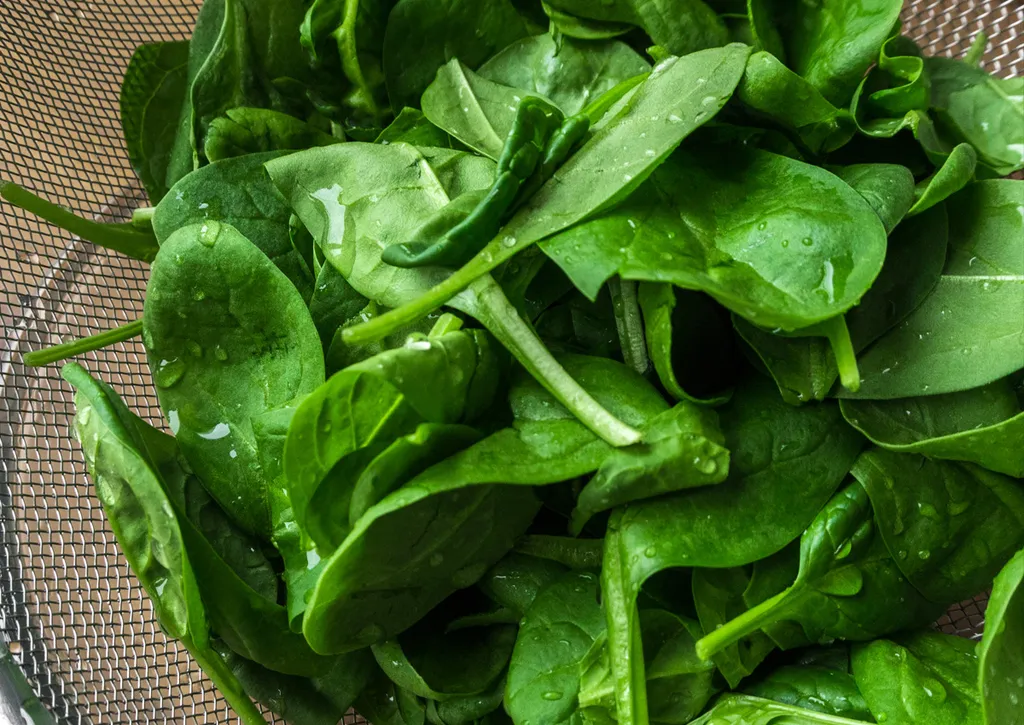
In the lush, biodiverse landscapes of Sri Lanka, a humble leafy green vegetable is at the center of a scientific discovery that could reshape agricultural practices and nutritional outcomes. Basella alba L., commonly known as malabar spinach, is not just a staple in local diets but also a powerhouse of bioactive compounds. A recent study published in *BMC Genomic Data* has uncovered the intricate dance between genetics and environment that influences the nutritional and therapeutic potential of this versatile plant.
The research, led by Lakshanee Weerasinghe Dahanayaka from the Department of Biosystems Technology at the University of Sri Jayewardenepura, delves into the genetic diversity of Basella alba L. across different geographical locations in Sri Lanka. By employing Random Amplified Polymorphic DNA (RAPD) markers, the team identified significant genetic variations among samples collected from 15 distinct locations. “We found a remarkably high polymorphism rate of 97.2%, which underscores the genetic diversity within Basella alba L. in Sri Lanka,” Dahanayaka explained. This diversity is not just a scientific curiosity; it holds profound implications for agriculture and nutrition.
The study revealed that genetic similarity among samples ranged from 0.44 to 0.97, with the highest similarity observed between samples from Ratnapura and Kandy, and the lowest between Ratnapura and Kalutara. These findings were visualized through a dendrogram that grouped the samples into two major clusters and five sub-clusters, each reflecting the ecological zones from which they were collected. This genetic differentiation suggests that the geographical origin plays a crucial role in shaping the plant’s genetic makeup.
Interestingly, when the genetic data was compared to previous studies on phytochemical and antioxidant properties, a partial correspondence was observed. While some locations within similar genetic clusters shared similar biochemical traits, others diverged significantly. This indicates that environmental conditions also play a pivotal role in the synthesis of bioactive compounds. “Our results suggest that both genetic makeup and environmental adaptation contribute to the observed biochemical diversity in Basella alba L.,” Dahanayaka noted. This interplay between genotype and environment could be a game-changer for farmers and agricultural scientists.
The commercial implications of this research are substantial. By understanding the genetic and environmental factors that influence the nutritional content of Basella alba L., farmers can make informed decisions about cultivation practices. This knowledge could lead to the development of regionally adapted cultivars with enhanced nutritional traits, thereby improving crop yields and market value. “Integrating molecular and biochemical analyses can support sustainable agriculture by optimizing the cultivation of Basella alba L. for specific nutritional benefits,” Dahanayaka added.
The study also highlights the potential for targeted breeding programs that leverage genetic diversity to enhance the plant’s bioactive properties. This could open new avenues for the agricultural sector, particularly in regions where Basella alba L. is a dietary staple. By selecting and breeding plants with superior genetic traits, farmers can produce crops that are not only more nutritious but also more resilient to environmental stresses.
Moreover, the findings could pave the way for further research into the genetic and biochemical interactions of other crops. Understanding these relationships can lead to more robust and adaptable agricultural practices, ultimately contributing to food security and sustainable development.
In conclusion, the research published in *BMC Genomic Data* offers a compelling glimpse into the complex interplay between genetics and environment in shaping the nutritional profile of Basella alba L. The insights gained from this study have the potential to revolutionize agricultural practices, enhance crop yields, and improve nutritional outcomes. As we continue to unravel the mysteries of plant genetics, the future of agriculture looks brighter and more sustainable than ever before.