
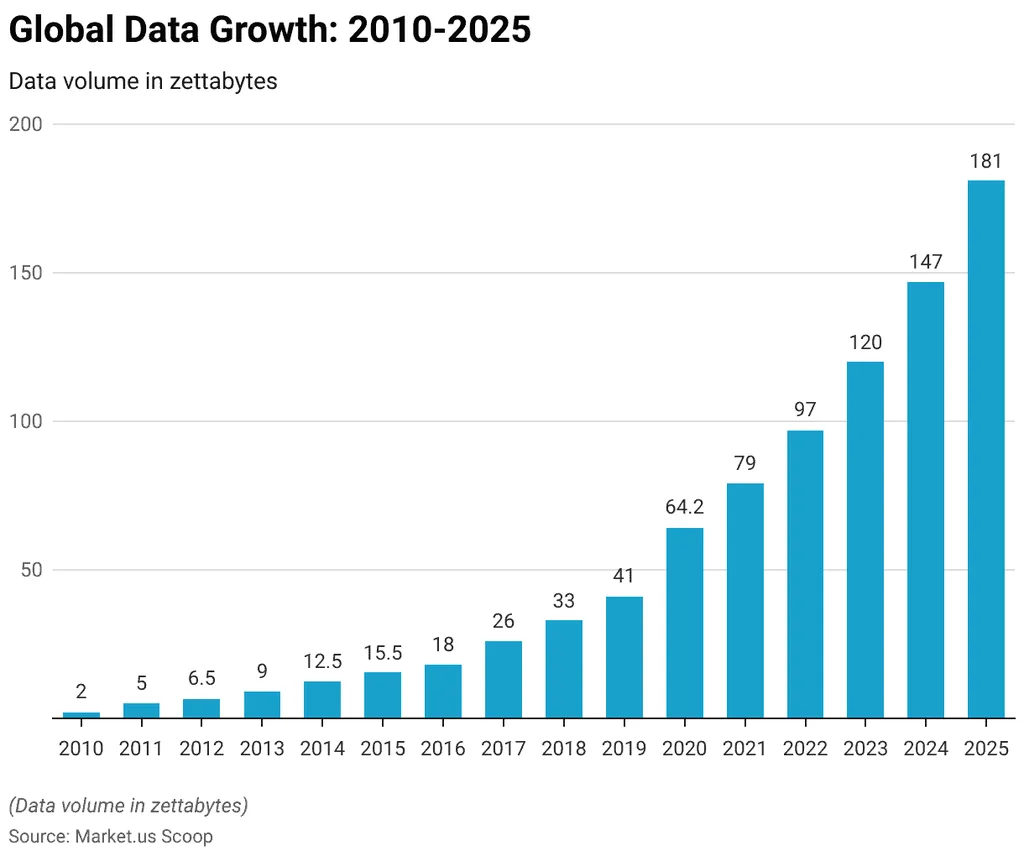
The agricultural sector is undergoing a significant transformation, with technology and data analysis becoming integral to the industry’s future. A recent report has revealed that by 2025, over 65% of new agronomy positions will require skills in data analysis and precision agriculture technology. This shift is driven by the need to address global challenges such as climate change, resource scarcity, and food security, which are increasingly complex and interconnected.
Agronomists, who have traditionally focused on crop production and soil health, are now at the forefront of this technological revolution. Their roles have expanded to include the use of advanced tools such as satellites, artificial intelligence (AI), blockchain, and data analytics. These technologies enable agronomists to monitor crop health in real-time, optimize resource use, and develop sustainable farming practices that minimize environmental impact.
The integration of AI and big data into agronomy is particularly noteworthy. Nearly 40% of global agronomists are already using AI-driven tools to improve crop yields and tackle environmental issues. These tools can analyze vast amounts of data from soil sensors, drones, and satellites to provide actionable insights. For instance, AI can detect early signs of disease or nutrient deficiencies in crops, allowing for timely interventions that can save yields and reduce the need for chemical inputs.
Precision agriculture, which involves the use of technology to manage variability in fields, is another key area of growth. Drones and unmanned aerial vehicles (UAVs) are used for aerial mapping and targeted spraying, while IoT sensors provide hyper-specific data on soil moisture, microclimate, and nutrient levels. This precision allows for site-specific management, which can significantly enhance productivity and sustainability.
Blockchain technology is also making waves in the agricultural sector by enabling transparent and tamper-resistant tracking from farm to fork. This traceability is crucial for ensuring food safety and quality, as well as for meeting regulatory compliance and consumer demands for transparency.
The evolving role of agronomists is reflected in the diverse career pathways available in 2025 and beyond. Specializations such as precision agronomists, soil health specialists, crop data analysts, and sustainable agriculture advisors are emerging. Each of these roles requires a unique set of skills and technologies, offering a broad spectrum of opportunities for professionals in the field.
For those looking to enter the agronomy profession, a strong foundation in agricultural sciences is essential, complemented by practical training in technology and environmental policy. Advanced degrees in agronomy, crop science, or related fields can provide the specialized knowledge needed for roles in research, consultancy, or academia.
In conclusion, the agronomy profession is evolving rapidly, driven by technological advancements and the need for sustainable practices. As the industry continues to embrace data analysis and precision agriculture, the role of agronomists will become even more critical in ensuring food security and environmental stewardship. For aspiring agronomists, this is an exciting time to enter the field, with numerous opportunities to make a meaningful impact on the future of agriculture.