
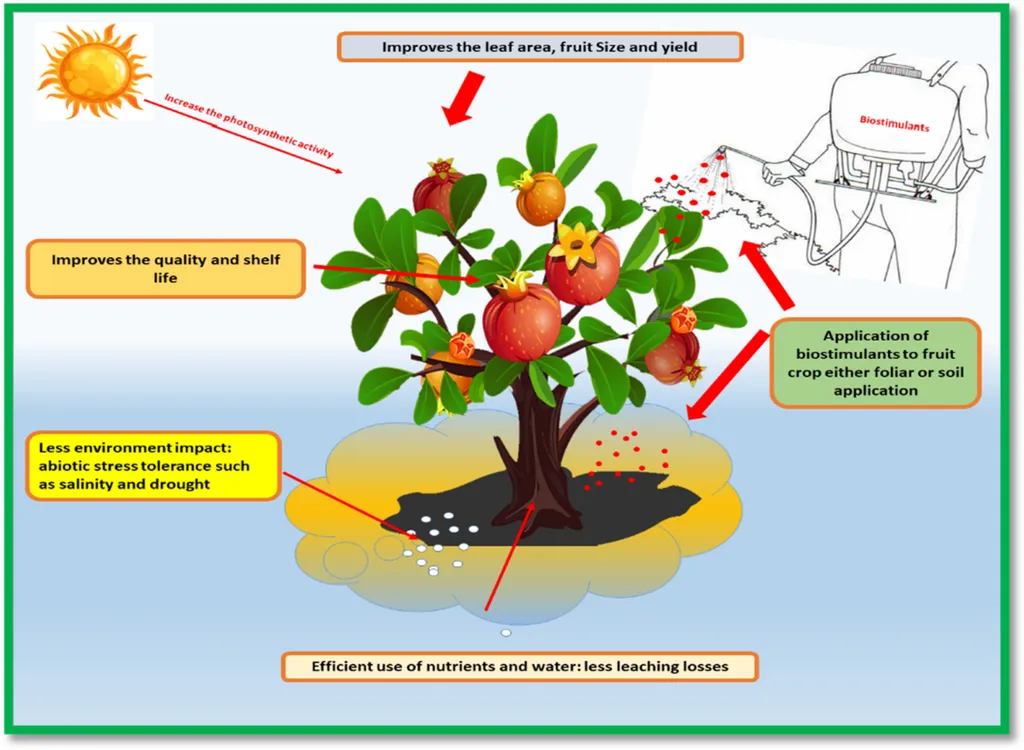
In the quest for sustainable agriculture, researchers have turned to biostimulants as a promising alternative to traditional agrochemicals. A recent study published in the *Journal of Sustainable Agriculture and Environment* sheds light on the potential of circular-economy-derived biostimulants to enhance strawberry growth and productivity in greenhouse conditions. The research, led by Samreen Nazeer from the Università di Parma in Italy, offers insights that could reshape the future of horticulture.
The study, conducted from March to July 2024, focused on wild strawberry plants (Fragaria vesca L., cv. “Malga”) cultivated in a soilless system. The researchers tested three experimental biostimulants (EBs) derived from sustainable circular economy processes: a suspension of freeze-dried microalgae (Tetraselmis chuii), a suspension of a lyophilized microbial mixed culture of purple non-sulfur bacteria (PNSB), and a hydro-alcoholic extract of pulverized hop biomass (HE). These biostimulants were applied weekly at varying concentrations to assess their impact on plant growth, development, and yield.
The results were promising. “Application of EBs significantly enhanced plant growth and yield,” Nazeer noted. The microalgae suspension (MA) led to the greatest plant height, antioxidant activity, and total phenolic content, while the PNSB promoted the highest total root length and both fresh and dry biomass. The hydro-alcoholic extract of hop biomass (HE) at 30 mL/L produced the greatest fruit number per plant. These findings highlight the potential of biostimulants to optimize strawberry production in controlled environments, contributing to more sustainable agricultural practices.
The commercial implications of this research are substantial. As the agricultural sector faces increasing pressure to reduce its environmental footprint, biostimulants offer a viable solution. By enhancing plant growth and yield without relying on synthetic chemicals, these biostimulants can help farmers meet the growing demand for sustainable produce. Moreover, the use of circular-economy-derived biostimulants aligns with the global push towards a more circular economy, where waste is minimized, and resources are used more efficiently.
The study’s findings could pave the way for further research into the use of biostimulants in other crops and growing conditions. As Nazeer points out, “These results underline the potential of biostimulants to optimize strawberry production in controlled environments and contribute to more sustainable agricultural practices.” The agricultural sector is poised to benefit from these innovations, as farmers seek ways to enhance productivity while minimizing environmental impact.
In conclusion, this research offers a glimpse into the future of sustainable agriculture. By leveraging the power of biostimulants, farmers can achieve better yields and improved plant health, all while reducing their reliance on synthetic chemicals. As the agricultural sector continues to evolve, the insights from this study will undoubtedly play a crucial role in shaping the future of horticulture.