
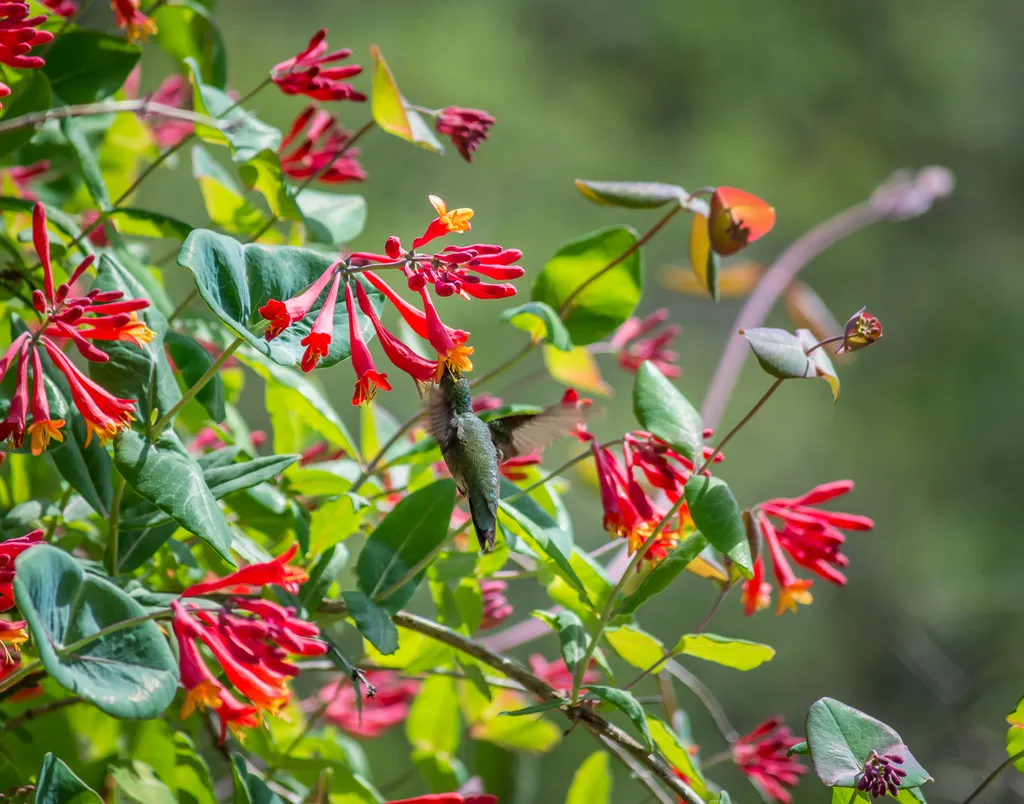
In the quest for sustainable and eco-friendly practices in animal husbandry, researchers have turned to an ancient Chinese medicinal herb, Lonicera japonica, commonly known as honeysuckle. A recent study published in *Frontiers in Veterinary Science* sheds light on the multifaceted benefits of this plant, offering a promising alternative to conventional antibiotics and additives in livestock and poultry production.
Lonicera japonica has long been celebrated in traditional Chinese medicine for its anti-inflammatory, antibacterial, and antioxidant properties. However, its potential in modern animal husbandry is only now being fully explored. The study, led by Xia Zhang from the Department of Biological and Food Engineering at Lyuliang University in Shanxi, China, delves into the bioactive constituents of Lonicera japonica and their profound impact on animal health and productivity.
The research highlights several key benefits. Firstly, the herb’s bioactive compounds have been shown to enhance the immune response in animals, thereby increasing their resistance to diseases. “The immune-boosting properties of Lonicera japonica can significantly reduce the incidence of infections, leading to healthier livestock and poultry,” Zhang explains. This not only improves animal welfare but also translates to higher productivity and profitability for farmers.
Moreover, the antioxidant ingredients in Lonicera japonica help mitigate the effects of free radicals, slowing down cellular aging and enhancing the quality of animal-derived products. “By incorporating Lonicera japonica into animal feed, we can improve the nutritional value and safety of products like meat, milk, and eggs,” Zhang adds. This is a significant boon for the agriculture sector, as it addresses growing consumer demands for high-quality, safe, and sustainably produced food.
The antibacterial and anti-inflammatory properties of Lonicera japonica also play a crucial role in maintaining a balanced intestinal microbiota in animals. This equilibrium aids in better nutrient uptake and feed utilization, further boosting production efficiency. Additionally, the herb’s antiviral components can minimize drug residues in animal products, enhancing their market competitiveness and safety.
The study’s findings align with the principles of green, eco-friendly, and sustainable development. By promoting the use of Lonicera japonica, the research advocates for a more harmonious and sustainable approach to farming, fostering the advancement of ecological agriculture and the circular economy.
The implications of this research are far-reaching. As the global agriculture sector grapples with the challenges of antibiotic resistance and the need for sustainable practices, Lonicera japonica emerges as a viable and effective solution. Its application in animal husbandry not only enhances production efficiency and product quality but also paves the way for a greener, more sustainable future.
As the world continues to seek innovative solutions to the pressing issues in agriculture, the humble honeysuckle might just hold the key to revolutionizing animal husbandry. With further research and application, Lonicera japonica could become a cornerstone of sustainable and eco-friendly farming practices, benefiting farmers, consumers, and the environment alike.