
In the arid landscapes of Northwestern Tanzania, a humble tree is making waves in the world of sustainable agriculture. The marula tree, scientifically known as Sclerocarya birrea subspecies birrea, is emerging as a potential game-changer for farmers in dryland regions, according to a recent study published in the Journal of Sustainable Agriculture and Environment.
The research, led by Abubakari H. Munna from the Department of Soil and Geological Sciences at Sokoine University of Agriculture, reveals that the marula tree can significantly enhance soil fertility and boost sorghum yields. This is a promising development for the agriculture sector, particularly in dryland areas where soil degradation and low productivity are persistent challenges.
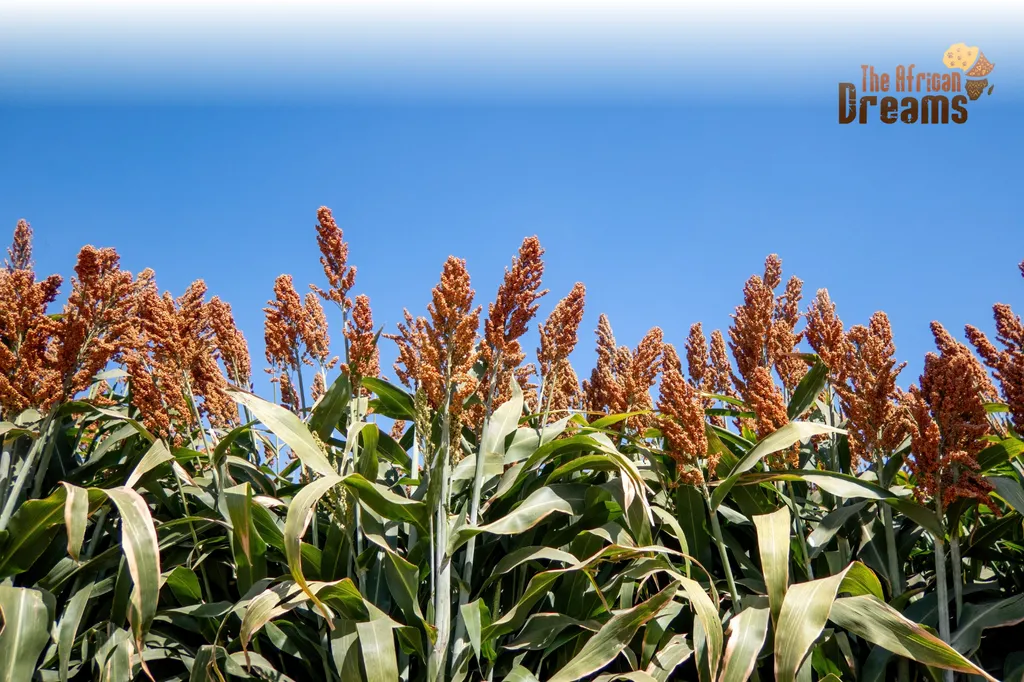
The study, conducted over two farming seasons, compared sorghum growth and soil properties under marula tree canopies with those in open fields. The results were striking. Soils under the marula trees showed significant improvements in key chemical properties such as pH, organic carbon, total nitrogen, and essential minerals like calcium, potassium, and manganese. These enhancements translated into tangible benefits for sorghum crops. Sorghum plants grown under the marula trees exhibited greater basal diameter, stem height, and chlorophyll concentration, leading to substantially higher grain yields.
“Sorghum grain yields were 3,359.38 kg/ha and 3,305.21 kg/ha under tree canopies, compared to 2,146.43 kg/ha and 2,050.00 kg/ha in no tree plots for the 2019/20 and 2020/21 seasons, respectively,” Munna noted. This represents a notable increase in productivity, offering a beacon of hope for farmers struggling with low yields.
The nutritional quality of the sorghum grains also saw improvements, with higher iron concentrations in grains from plants grown under the marula trees. While there were no significant differences in proximate composition and other mineral concentrations, the increased iron content is a step in the right direction for enhancing the nutritional value of crops.
The implications of this research extend beyond the fields of Northwestern Tanzania. Agroforestry, the practice of integrating trees with crops, is gaining traction as a sustainable agricultural strategy. The marula tree’s ability to improve soil health and boost crop yields underscores its potential as a valuable component in agroforestry systems. This could pave the way for similar studies in other dryland regions, exploring the benefits of integrating native tree species with staple crops.
For the agriculture sector, the commercial impacts are profound. Enhanced soil fertility and increased crop yields can lead to higher farm incomes and greater food security. Farmers in dryland areas, often marginalized and vulnerable to climate change, stand to benefit significantly from adopting such sustainable practices. Moreover, the improved nutritional quality of crops can contribute to better health outcomes, addressing malnutrition and food insecurity.
As the world grapples with the challenges of climate change and environmental degradation, the marula tree offers a glimpse into the future of sustainable agriculture. By harnessing the power of native tree species, farmers can not only improve their livelihoods but also contribute to biodiversity conservation and ecosystem resilience. The study by Munna and his team is a testament to the potential of agroforestry in creating a more sustainable and productive agricultural landscape.
In the words of Munna, “Subsp. birrea improved soil chemical properties and sorghum yields. Thus, it is a potential tree for agroforestry in drylands.” These findings could shape future developments in the field, inspiring further research and practical applications that could revolutionize dryland agriculture. As we look to the future, the marula tree stands as a symbol of hope and innovation, guiding us towards a more sustainable and resilient agricultural system.