
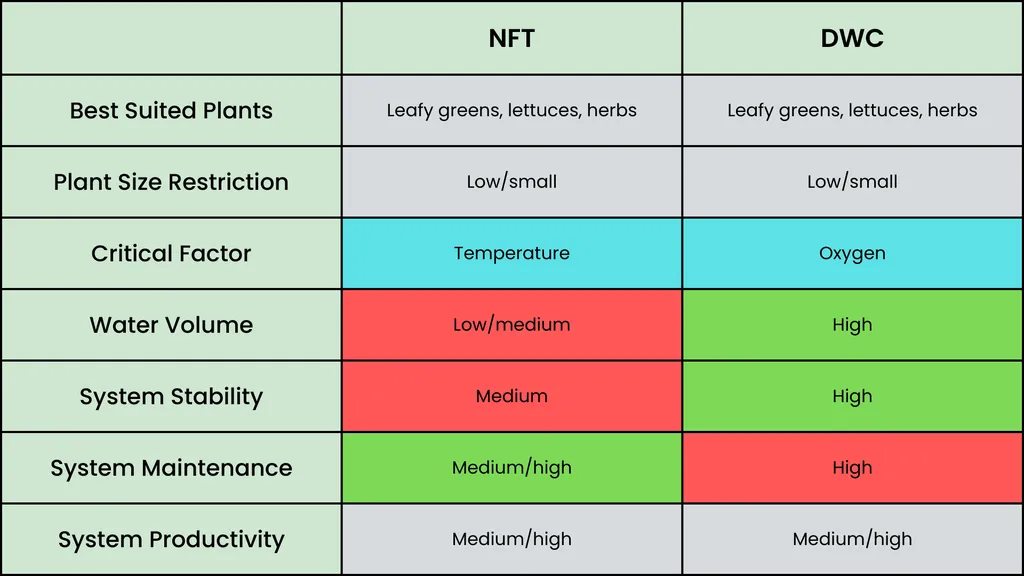
In the quest for sustainable and efficient agricultural practices, aquaponics has emerged as a promising solution, combining aquaculture and hydroponics into a closed-loop system. A recent study published in the *Journal of Sustainable Agriculture and Environment* sheds light on the divergent advantages of two popular aquaponic systems—nutrient film technique (NFT) and deep-water culture (DWC)—for cultivating basil, a widely used culinary and medicinal herb. The research, led by Drishya Nishanth from the Department of Integrative Agriculture at the United Arab Emirates University, provides critical insights that could shape the future of urban food production and sustainable agriculture.
The study compared the performance of basil plants in NFT and DWC systems at two different growth stages, 40 and 70 days after sowing. The findings reveal that NFT systems consistently demonstrated superior water-use efficiency (WUE), with increases of 45% and 49% relative to DWC at 40 and 70 days after sowing, respectively. This is a significant advantage, particularly in water-scarce regions, where efficient water use is paramount.
“Water-use efficiency is a critical metric in agriculture, especially in arid regions,” said Drishya Nishanth. “Our study shows that NFT systems can significantly enhance WUE, making them an attractive option for farmers looking to optimize water resources.”
On the other hand, DWC systems were found to foster enhanced fish productivity, basil biomass accumulation, and richer pigment profiles, particularly at the later growth stage of 70 days. This suggests that DWC systems might be more suitable for farmers prioritizing higher yields and nutrient-rich produce.
The study also highlighted a stage-dependent decline in WUE for both systems, with reductions of 12.2% and 14.4% for NFT and DWC, respectively. This indicates that while both systems have their strengths, their efficiency can vary depending on the growth stage of the plants.
The commercial implications of this research are substantial. For farmers and agribusinesses, understanding the trade-offs between NFT and DWC systems can help optimize production strategies. In water-limited agroecosystems, NFT systems could be the go-to choice for their superior water efficiency. Conversely, DWC systems might be more beneficial for operations focused on maximizing yield and nutrient content.
As urban food production continues to gain traction, the insights from this study could drive innovations in aquaponic system design. Future developments might see hybrid systems that combine the best of both NFT and DWC, tailored to specific crop types and environmental conditions. This could lead to more sustainable and efficient agricultural practices, ultimately contributing to food security and environmental conservation.
In the broader context, this research underscores the importance of system-specific optimizations in aquaponics. As Drishya Nishanth noted, “The choice between NFT and DWC should be guided by the specific goals of the farmer, whether it’s water efficiency, yield, or nutrient content.” This nuanced understanding could pave the way for more tailored and effective aquaponic solutions in the future.