
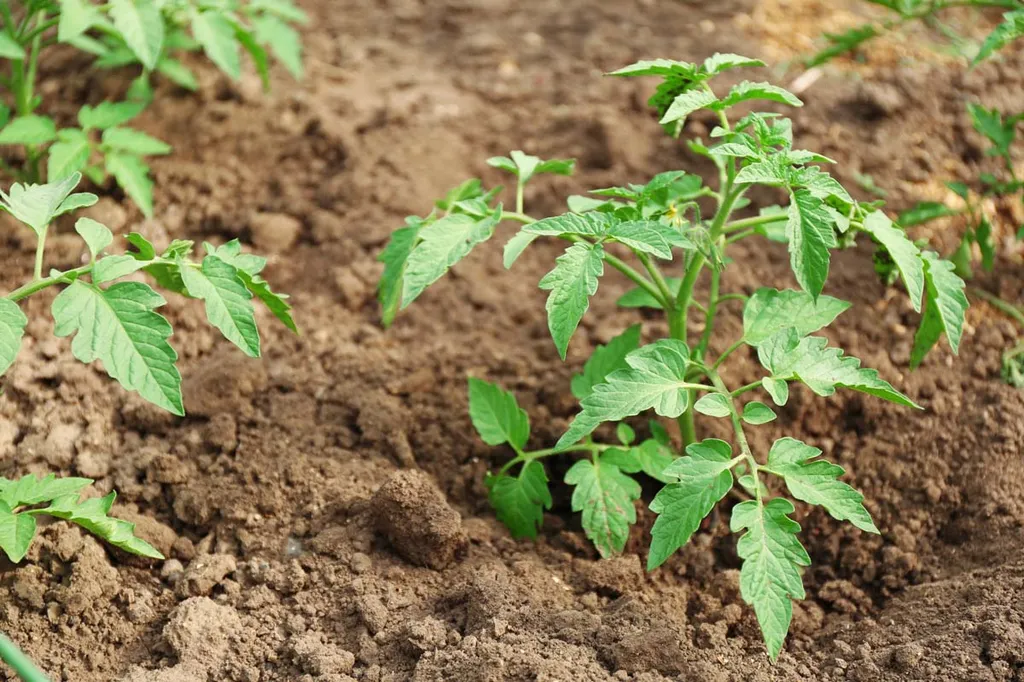
In the quest for sustainable agriculture, scientists are turning to nature’s tiny helpers: beneficial bacteria. A recent study published in the *Journal of Sustainable Agriculture and Environment* sheds light on the distribution and composition of potential plant-beneficial bacteria (PBB) across different compartments of tomato plants, offering promising insights for the agriculture sector.
The research, led by Yutian Zhang from the School of Agriculture, Food and Ecosystem Sciences at the University of Melbourne, reveals that the rhizosphere soil—the narrow region of soil influenced by root secretions—harbors the highest diversity and abundance of PBB. In contrast, the phyllosphere, which includes the leaves and stems, showed the lowest richness of these beneficial bacteria.
“Understanding the distribution of these bacteria is crucial for developing targeted strategies to enhance crop productivity and health,” Zhang explains. The study found that Actinobacteria and Rubrobacteria dominated the soil PBB community, while Actinobacteria and Bacilli were predominant in the phyllosphere. At the genus level, Rubrobacter, Blastococcus, and Nocardioides were the most prevalent potential PBB.
The functional groups of these bacteria were also analyzed, with plant growth-promoting bacteria having the highest relative abundance across all compartments. This finding underscores the potential of these bacteria to improve plant health and productivity naturally, reducing the need for chemical fertilizers and pesticides.
One of the key factors driving the diversity and community composition of PBB was identified as soil pH. This insight could help farmers and agronomists optimize soil conditions to foster beneficial bacterial communities, ultimately enhancing crop performance.
The commercial implications of this research are significant. As the agriculture sector seeks sustainable solutions to meet the growing global demand for food, leveraging beneficial bacteria could be a game-changer. By engineering these bacterial communities, farmers could improve disease control and plant performance, leading to higher yields and reduced environmental impact.
“This study provides a crucial reference for the engineering of beneficial bacterial communities in agriculture,” Zhang notes. The findings could pave the way for innovative agricultural practices that harness the power of nature to create more sustainable and productive farming systems.
As the world grapples with the challenges of climate change and food security, research like this offers hope for a more sustainable future. By understanding and utilizing the natural benefits of plant-beneficial bacteria, the agriculture sector can move towards more eco-friendly and efficient practices, ensuring food security for generations to come.