
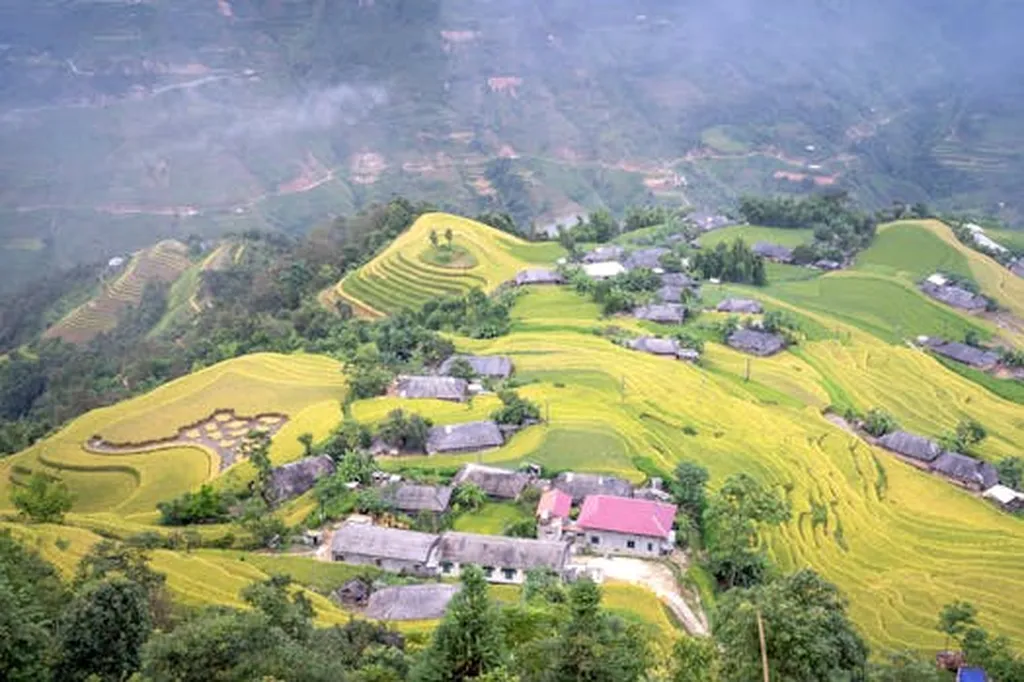
In the lush, verdant landscapes of Guilan province, a new study is shedding light on the untapped potential of regional branding, with significant implications for the agriculture sector. Published in the ‘TeMA: Journal of Land Use, Mobility and Environment’, the research led by Atefeh Faghih Abdollahi from the Department of Urban Planning & Design at the University of Guilan, offers a nuanced look at how Guilan can leverage its unique assets to boost its economic competitiveness.
The study employs a mixed-method approach, utilizing MICMAC analysis to identify key variables influencing branding outcomes. It reveals that while tourism, agriculture, and horticulture are the dominant existing brands, there’s substantial room for growth in areas like ecotourism, agritourism, and commercial tourism. This is particularly promising for the agriculture sector, as it opens up new avenues for farmers to diversify their income streams.
“Our findings suggest that Guilan’s agriculture sector can significantly benefit from regional branding,” says Abdollahi. “By creating and promoting agritourism packages, for instance, farmers can attract visitors eager to experience the authentic rural life and learn about traditional farming practices.”
However, the study also highlights several barriers that need to be addressed. Inferior infrastructure, inadequate coordination among stakeholders, and lack of governmental support are major hurdles. To overcome these, the researchers propose practical solutions, such as improving infrastructure, fostering collaboration among stakeholders, and advocating for policy changes.
The study’s findings present a compelling case for policymakers and stakeholders to take action. By effectively utilizing regional assets and overcoming the identified barriers, Guilan can enhance its competitiveness and achieve sustainable development. This research could shape future developments in regional branding, particularly in agriculture-dominated regions, by providing a robust framework for assessing branding capacity and identifying growth opportunities.
As Abdollahi puts it, “This is not just about creating brands; it’s about creating opportunities for economic growth and sustainable development.” With this study, Guilan is taking a significant step towards unlocking its full potential, and other regions could follow suit.