
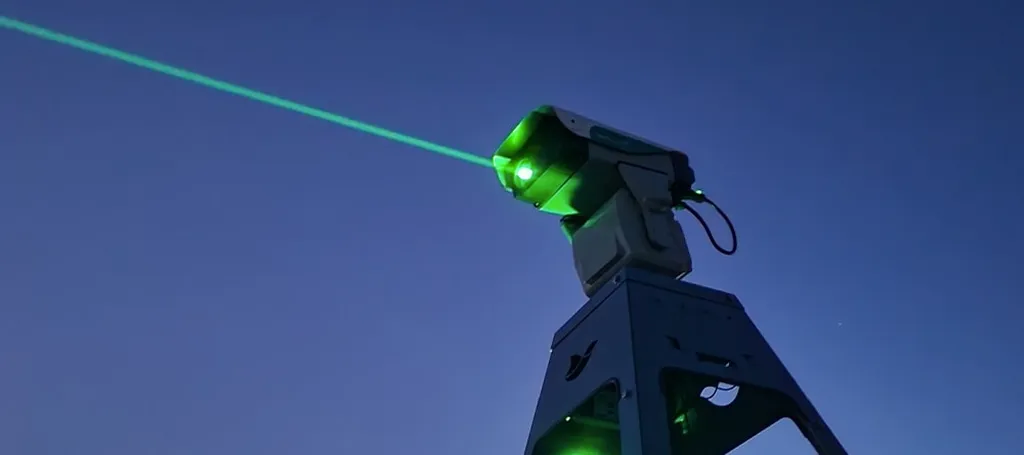
In the heart of the Philippines, where the hum of agriculture is the lifeblood of the economy, farmers face an age-old adversary: the Philippine Sparrow. These birds, while small, can wreak havoc on crops, leading to significant losses for farmers in Luzon’s southern and northern regions. Traditional methods of deterrence, such as scarecrows and lethal measures, have proven ineffective and environmentally harmful. Enter Avian Pro, an intelligent robot designed to detect and deter these avian pests using a green laser pointer, offering a sustainable and eco-friendly solution.
Developed by Mae Garcillanosa, an Electronics Engineering student at Mapúa Malayan Colleges Laguna, Avian Pro is a testament to the power of technology in revolutionizing agriculture. The system leverages a Raspberry Pi microcomputer, image processing, and machine learning to identify the Philippine Maya, activating a laser pointer only when pests are detected. “The idea was to create a system that is not only effective but also sustainable and environmentally friendly,” Garcillanosa explained. “We wanted to provide farmers with a tool that can help them protect their crops without harming the birds or the environment.”
The results of the study, published in the Recoletos Multidisciplinary Research Journal, are promising. The system demonstrated effective bird detection within a range of 10 to 11 meters. However, environmental factors such as sunlight and the prototype’s positioning influenced detection accuracy and laser performance. The system operated in short bursts of 10–15 minutes within a 2-hour window to conserve energy, showcasing its potential for low-power, solar-integrated operation.
The commercial impacts of this research are substantial. Avian Pro presents a viable alternative to traditional pest management methods, promoting eco-conscious farming practices. By reducing crop losses and minimizing the need for harmful chemicals, the system can help farmers increase their yields and profitability. “This technology has the potential to transform the way we approach pest management in agriculture,” said Garcillanosa. “It’s a step towards more sustainable and efficient farming practices.”
The future of Avian Pro and similar technologies is bright. As machine learning and image processing capabilities continue to advance, these systems will become even more accurate and efficient. The integration of solar power and other renewable energy sources will further enhance their sustainability, making them accessible to farmers worldwide. This research not only addresses a critical issue in Philippine agriculture but also paves the way for innovative solutions in global farming practices.