
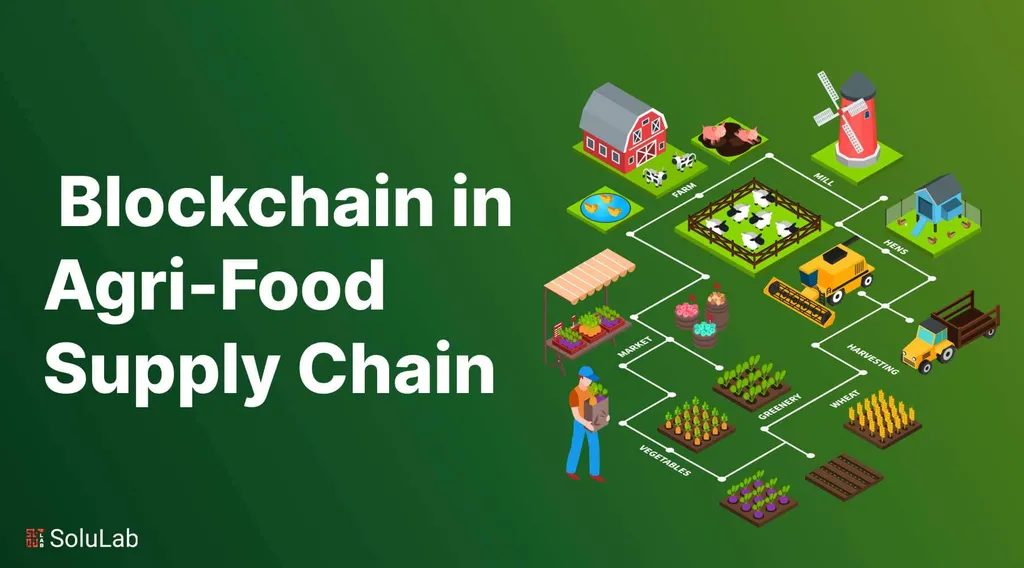
In the intricate web of agricultural supply chains, trust and transparency are the lifeblood that keeps stakeholders connected and informed. Yet, as these ecosystems grow increasingly complex, so do the challenges of maintaining secure and privacy-preserving identity solutions. A recent systematic review, published in *Frontiers in Blockchain*, sheds light on the current state of self-sovereign identity (SSI) solutions and their potential to revolutionize the agricultural sector.
The study, led by Tariq Alar from the Department of Computer Science at Jazan University in Saudi Arabia, meticulously evaluated 78 primary studies out of an initial pool of 1,229 articles. The research aimed to assess SSI solutions through the lens of three key stages and five research questions, focusing on the essential principles of transparency, privacy, user control, and decentralization.
“Blockchain has been widely studied for traceability, but there’s a significant gap in identity-focused research within agricultural supply chains,” Alar noted. This gap is crucial because secure identity solutions are vital for ensuring traceability, transparency, and security in the agricultural supply chain. The review found that while no existing SSI solution fully satisfies all the essential criteria for agricultural supply chains, Sovrin emerged as the most promising framework, excelling particularly in decentralization and privacy protection.
The commercial impacts of this research are substantial. As agricultural supply chains become more globalized and complex, the need for secure and decentralized identity solutions becomes paramount. These solutions can help protect stakeholders, maintain trust, and ensure the integrity of the supply chain. For instance, farmers, distributors, and retailers can benefit from enhanced traceability, which can lead to improved food safety and quality control. Additionally, the ability to verify the authenticity of products can help combat fraud and counterfeiting, which are significant issues in the agricultural sector.
The review also highlights the need for real-world pilot studies to validate the operational effectiveness of blockchain-based SSI systems. This calls for collaboration between researchers, technology providers, and agricultural stakeholders to test and refine these solutions in practical settings. As Alar pointed out, “The deployment of SSI solutions in agricultural supply chains requires a concerted effort from all stakeholders to ensure their success.”
Looking ahead, this research could shape future developments in the field by guiding the development of more robust and tailored SSI solutions for the agricultural sector. It also underscores the importance of addressing research gaps and conducting pilot studies to validate the effectiveness of these solutions. As the agricultural industry continues to evolve, the integration of blockchain-based SSI systems could become a cornerstone of secure and transparent supply chains, ultimately benefiting all stakeholders involved.
In conclusion, the systematic review by Alar and his team provides a comprehensive assessment of SSI solutions for agricultural supply chains, highlighting the potential of Sovrin and the need for further research and pilot studies. As the agricultural sector continues to embrace digital transformation, the insights from this review could pave the way for more secure, transparent, and trustworthy supply chains.