
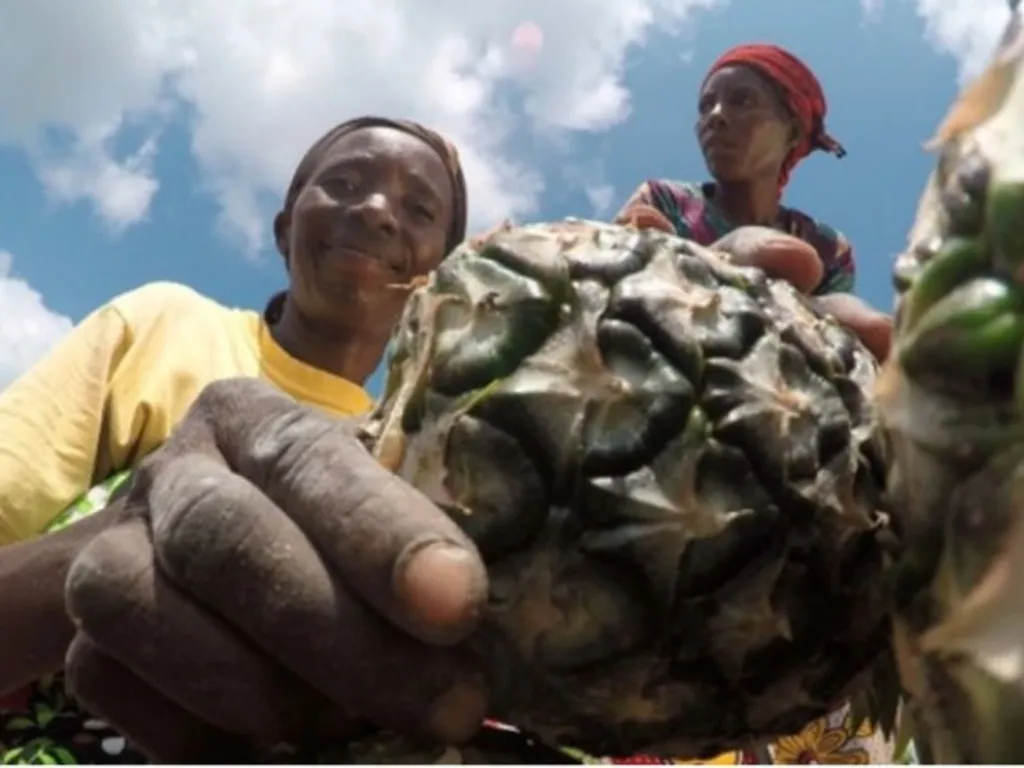
In the heart of Central Kalimantan, a groundbreaking study is challenging the status quo of food security and gender dynamics in rural farming communities. The research, led by Lili Winarti of Darwan Ali University and published in *Economia Agro-Alimentare*, delves into the intricate relationship between food security, gender inclusion, and women’s empowerment among pineapple farming households in East Kotawaringin Regency. The findings offer a compelling narrative that could reshape agricultural policies and practices, not just in Indonesia but globally.
The study, which surveyed 296 farming households, reveals a stark reality: despite the region’s agricultural abundance, food insecurity persists, disproportionately affecting women. The research employs innovative tools like the Household Food Insecurity Access Scale (HFIAS) and a localized Women’s Empowerment in Agriculture Index (LWEAI) to paint a detailed picture of the challenges and opportunities in these communities.
One of the most striking findings is the significant impact of access to credit and market information on reducing food insecurity. “When women have access to financial resources and market insights, they are better equipped to make decisions that benefit their households,” explains Winarti. This access not only enhances food security but also empowers women, fostering greater autonomy and leadership within the community.
However, the study also highlights that larger household sizes can increase vulnerability to food insecurity. This finding underscores the need for targeted interventions that consider the unique dynamics of each household. The research suggests that gender-responsive policies, such as women-targeted microcredit and extension services, could be game-changers in strengthening food security and equity.
The use of Partial Least Squares Structural Equation Modeling (PLS-SEM) in this study provides a robust analytical framework that could be replicated in other regions. This method allows for a nuanced understanding of the complex interplay between food security, gender inclusion, and empowerment, offering valuable insights for policymakers and agricultural practitioners.
The commercial implications of this research are profound. By empowering women and improving food security, farming households can become more productive and resilient. This, in turn, can enhance the overall agricultural output and economic stability of the region. The study’s findings align with Indonesia’s national development goals and the Sustainable Development Goals (SDGs) 2 and 5, emphasizing the importance of gender equality and zero hunger.
As the agricultural sector continues to evolve, the insights from this research could shape future developments in gender-inclusive empowerment and food security initiatives. The localized approach and innovative methodologies used in this study offer a blueprint for similar efforts in other parts of the world, potentially transforming the lives of millions of farming households.
In a world where food security and gender equality are critical challenges, this research provides a beacon of hope and a roadmap for action. The findings not only highlight the urgent need for gender-responsive policies but also demonstrate the transformative power of empowering women in agriculture. As the global community strives to achieve the SDGs, the lessons from Central Kalimantan offer valuable guidance for creating a more equitable and food-secure future.