
In the face of escalating climate change impacts, developing countries with burgeoning industries are grappling with significant challenges that threaten economic sustainability. A new study published in ‘Sustainability Science and Resources’ suggests that Climate-Smart Education could be a game-changer, integrating climate change knowledge and sustainable practices to bolster resilience and long-term viability, particularly in the agriculture sector.
The research, led by Kofi Mpuangnan from the University of Zululand, explores strategies to advance Climate-Smart Education, focusing on developing countries. By reviewing existing literature, policies, and current practices, Mpuangnan and his team identified actionable strategies that could help close knowledge gaps and boost resilience. “Public-private partnerships, digital advisory services, and incorporating climate-smart principles into formal education are key,” Mpuangnan asserts. These strategies, he believes, can empower communities and industries to adapt and thrive in the face of climate change.
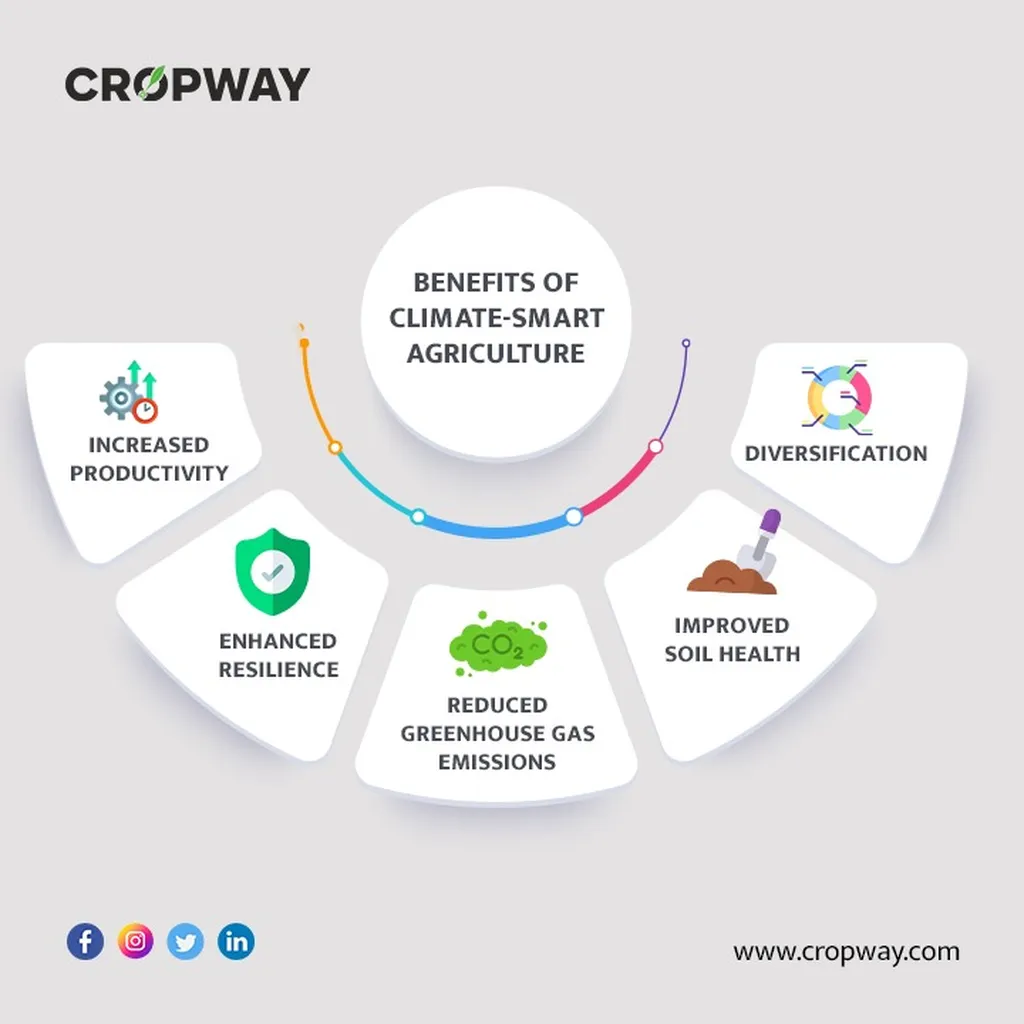
For the agriculture sector, the implications are substantial. Climate-Smart Education can equip farmers with the knowledge and tools to adopt sustainable practices, enhancing productivity and resilience. “By integrating climate-smart principles into agricultural education, we can promote sustainable farming practices that mitigate climate change impacts and boost economic sustainability,” Mpuangnan explains.
The study also highlights the importance of tailoring initiatives to the socioeconomic realities of rural and peri-urban areas. Coordinated policy efforts are crucial to ensure that Climate-Smart Education initiatives are effectively implemented and sustained. However, challenges such as limited resources, inadequate teacher training, and cultural resistance may impede progress, particularly in developing countries.
Looking ahead, this research could shape future developments in climate change education and economic sustainability. By promoting a unified and coordinated approach to climate resilience and sustainability, policymakers can ensure the implementation of climate-smart principles in key sectors such as education, industry, agriculture, and the environment. As Mpuangnan notes, “The future of our economies, particularly in developing countries, depends on our ability to adapt and build resilience in the face of climate change. Climate-Smart Education is a critical step in this direction.”