
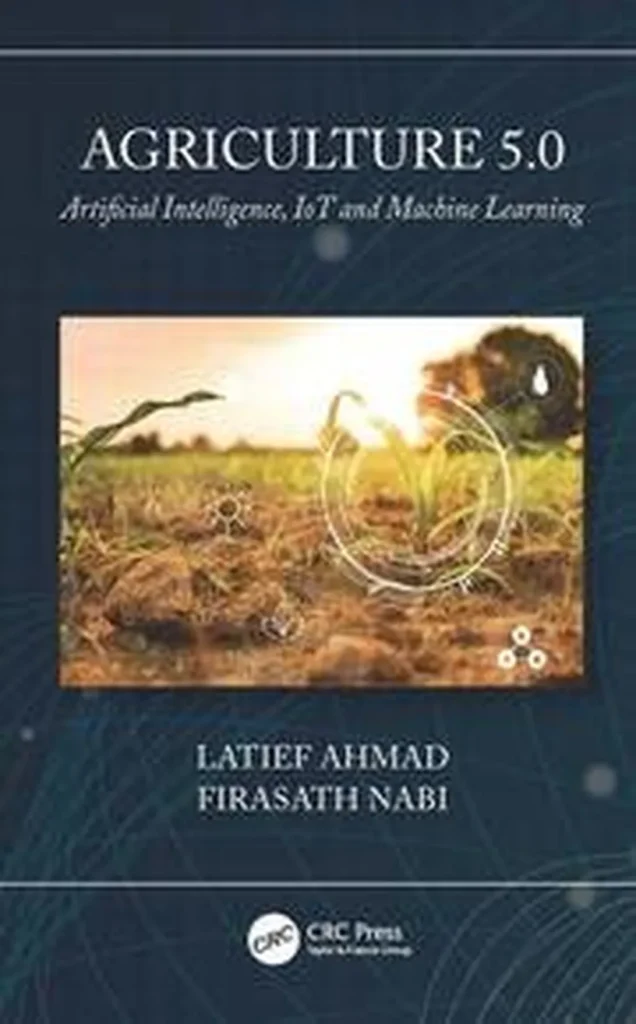
In the heart of France, researchers are reimagining the future of agriculture, blending cutting-edge technology with age-old ecological wisdom. Led by M. Naim from InTerACT at Institut Polytechnique UniLaSalle, a groundbreaking study published in *Smart Agricultural Technology* explores how Agriculture 5.0 (A5.0) is revitalizing agroecological principles, potentially reshaping the agricultural sector’s commercial landscape.
The study, a scoping review following PRISMA-ScR guidelines, analyzed 136 scientific publications to assess how current A5.0 research integrates the thirteen agroecological principles defined by the High-Level Panel of Experts in 2019. The findings reveal a significant shift from the efficiency-driven approach of Agriculture 4.0 (A4.0) to a more holistic paradigm that values the social and human dimensions of farming.
A5.0 is characterized by its integration of distributed computing, explainable artificial intelligence, digital twins, and collaborative robotics within ecologically restorative and socially inclusive frameworks. “A5.0 is not just about optimizing yields; it’s about creating a symbiotic relationship between technology, humans, and ecosystems,” Naim explains. This shift could have profound commercial implications, fostering more sustainable and equitable agricultural practices.
The study highlights that A5.0 strengthens resource efficiency, resilience, and social inclusivity through open-source technologies and participatory design. However, it also identifies gaps in policy coherence, emotional engagement, and human–machine co-learning. To address these, the researchers propose two complementary agroecological principles: cognitive symbiosis and emotional ecology. These principles emphasize shared intelligence and affective stewardship between humans, machines, and ecosystems.
The commercial potential of A5.0 is vast. By integrating these principles, the agricultural sector could see improved crop yields, enhanced biodiversity, and more resilient farming practices. Moreover, the emphasis on social inclusivity and participatory design could lead to the development of new markets and business models that prioritize sustainability and equity.
As the agricultural sector grapples with the challenges of climate change, resource depletion, and social inequality, the insights from this study offer a promising path forward. By embracing the principles of A5.0, farmers and agribusinesses can not only enhance their productivity but also contribute to a more sustainable and equitable future. The study, led by M. Naim from InTerACT at Institut Polytechnique UniLaSalle and published in *Smart Agricultural Technology*, provides a roadmap for this transition, highlighting the need for inclusion, transparency, and regeneration in the digital transformation of agriculture.