
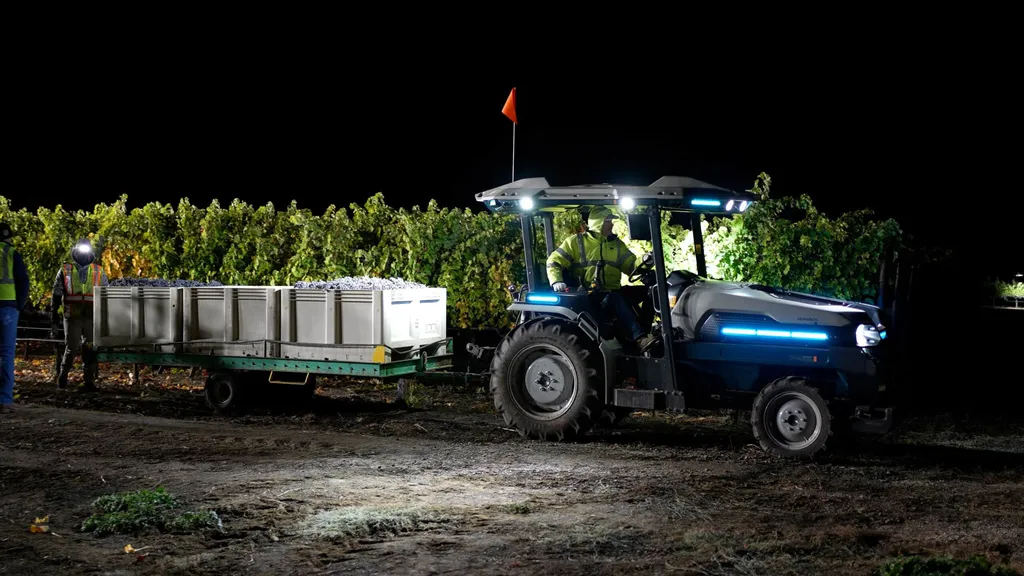
Monarch Tractor, a pioneer in the agritech industry, is undergoing a significant transformation. Operating now under the name Zimeno Inc., the company is shifting its focus from manufacturing its own electric tractors to developing autonomy software and AI solutions for other machinery manufacturers. This strategic pivot comes after a comprehensive restructuring and the publication of an overview document for a potential takeover, offering its assets to interested buyers.
The company’s new direction involves repositioning itself as a technology partner for original equipment manufacturers (OEMs) in agriculture, construction, and other off-highway sectors. Monarch’s core offerings now include autonomy algorithms, sensor technology, cloud software, and a data platform that has been validated on over 100 machines deployed in recent years. This shift underscores a broader industry trend towards software-driven solutions and the integration of advanced technologies in agricultural machinery.
Under the revised strategy, Monarch aims to license its technology to machinery manufacturers rather than producing and selling complete tractors itself. The company boasts 38 granted patents and over 150 pending patent applications, along with a substantial volume of real-world operational data. This data is crucial for developing autonomous functions and future software-as-a-service (SaaS) models, positioning Monarch as a key player in the evolving landscape of agricultural technology.
One of Monarch’s notable collaborations is with CNH Industrial, involving multi-year licensing and development agreements for autonomy software on compact Case IH and New Holland tractor platforms. Functional prototypes have been developed and tested, although no binding agreements on further rollout or expansion have been publicly disclosed. This collaboration highlights the potential for Monarch’s technology to be integrated into existing and future agricultural machinery, enhancing their capabilities and efficiency.
The strategic shift follows a period of challenges for Monarch, including persistent issues related to its own tractors. Users and dealers reported early-stage reliability problems, limited operational uptime, and delays in service and support. These issues culminated in a lawsuit filed by a US dealer against Monarch, partly related to delivery commitments and after-sales support. The case added pressure on the company and accelerated its strategic reassessment.
In the takeover document, Monarch implicitly acknowledges that combining hardware development, manufacturing, service, and software proved too capital-intensive. Most production facilities have since been shut down, although existing tractors and spare parts remain part of the assets that could be acquired. This acknowledgment reflects the complexities and challenges of managing an integrated hardware and software business model in the rapidly evolving agritech sector.
Monarch Tractor initially gained widespread attention from 2018 onwards with its fully electric, autonomous tractor aimed at vineyards and specialty crops. The company raised approximately $250 million in investment capital and was long regarded as one of the icons of autonomous agricultural mechanization. However, the reality of scaling and supporting such a complex product proved challenging. With the restart, Monarch is now clearly positioning itself as a technology and software supplier rather than a tractor manufacturer.
The implications of this shift are significant. By focusing on software and autonomy solutions, Monarch can leverage its expertise and intellectual property to support a broader range of applications and industries. This model may offer a more sustainable and scalable business approach, allowing the company to collaborate with multiple OEMs and expand its market reach. However, the success of this new model will largely depend on the willingness of OEMs to integrate Monarch’s autonomy platform, especially as dozens of competing autonomous system providers enter the market.
As the agritech industry continues to evolve, the role of technology and software in enhancing agricultural productivity and efficiency becomes increasingly critical. Monarch’s strategic pivot reflects a broader industry trend towards innovation and collaboration, highlighting the importance of adaptability and resilience in the face of changing market dynamics. The company’s journey from a pioneer in tractor manufacturing to a technology supplier underscores the transformative potential of software-driven solutions in shaping the future of agriculture.