
In the face of escalating global salinity issues, a groundbreaking study published in *Frontiers in Plant Science* offers a beacon of hope for onion farmers and breeders alike. Led by Shreya Kasar from the Department of Botany at S. N. Arts, D. J. Malpani Commerce, and B. N. Sarda Science College in Sangamner, India, the research presents a robust method for screening salinity tolerance in onion (Allium cepa L.) genotypes at the germination stage. This development could revolutionize how we approach crop resilience in saline conditions, a pressing concern for sustainable agriculture.
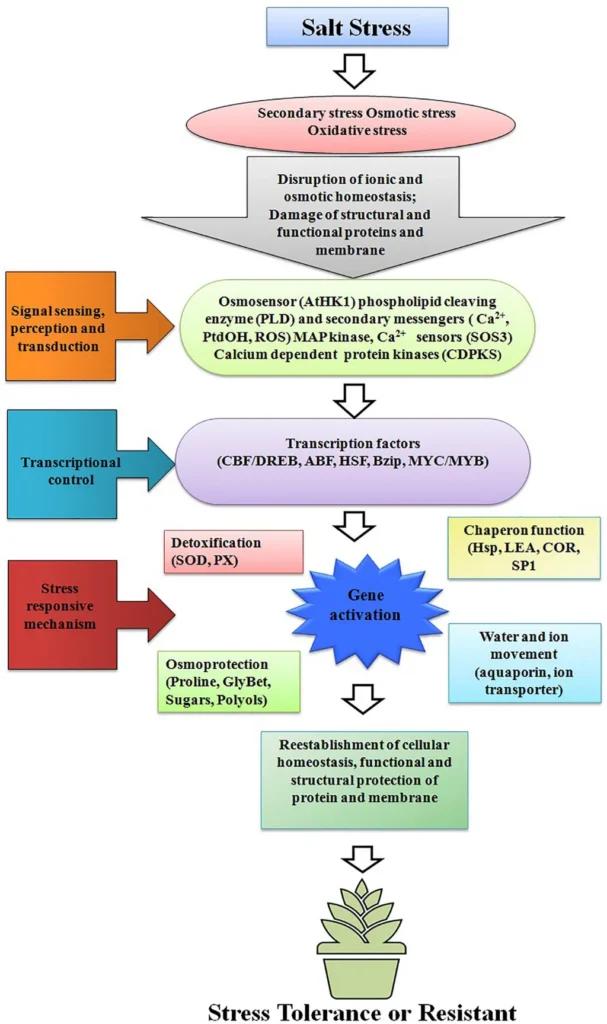
Salinity stress is a formidable abiotic stressor that stifles crop growth and productivity, particularly in sensitive crops like onions. The challenge lies in simulating saline conditions accurately on farms, which has historically hindered the selection of tolerant genotypes for hybridization programs. Kasar’s study addresses this gap by developing a reliable screening method that could streamline the breeding process and accelerate the development of salinity-tolerant onion cultivars.
The research unfolded in two phases. The first phase determined the optimum salt concentration for screening, settling on 150 mM NaCl. The second phase evaluated 100 onion genotypes using key morphological traits such as germination rate, shoot length, root length, and fresh weight metrics. The results were categorized into five grades, ranging from highly salinity-tolerant to highly salinity-sensitive. Notably, total fresh weight at 150 mM NaCl emerged as a critical trait, offering a clear indicator of how onion genotypes respond to saline conditions.
“Total fresh weight at 150 mM NaCl was found to be an ideal trait, demonstrating the extent to which A. cepa genotypes respond to saline conditions,” Kasar explained. This finding underscores the potential for breeders to focus on this trait when selecting genotypes for further development.
The study also employed Principal Component Analysis to identify key traits contributing to salinity tolerance, providing a comprehensive framework for effective genotype selection. This methodology not only simplifies the screening process but also ensures reproducibility, making it a valuable tool for researchers and breeders worldwide.
The commercial implications of this research are substantial. With salinity affecting vast swathes of arable land, the ability to develop salinity-tolerant onion varieties could open up new opportunities for farmers in saline-prone regions. This could lead to increased crop yields, improved food security, and enhanced economic stability for farming communities.
Moreover, the methodology developed by Kasar and her team could be adapted for other economically important crops, broadening its impact across the agricultural sector. As the world grapples with the challenges of climate change and land degradation, such innovations are crucial for ensuring sustainable food production.
This research not only advances our understanding of salinity tolerance in onions but also paves the way for future developments in crop resilience. By providing a clear, efficient, and replicable model for evaluating salinity tolerance, it sets a new standard for breeding programs aimed at enhancing crop productivity in adverse conditions. As the agricultural sector continues to evolve, the insights gained from this study will undoubtedly play a pivotal role in shaping the future of sustainable farming practices.