
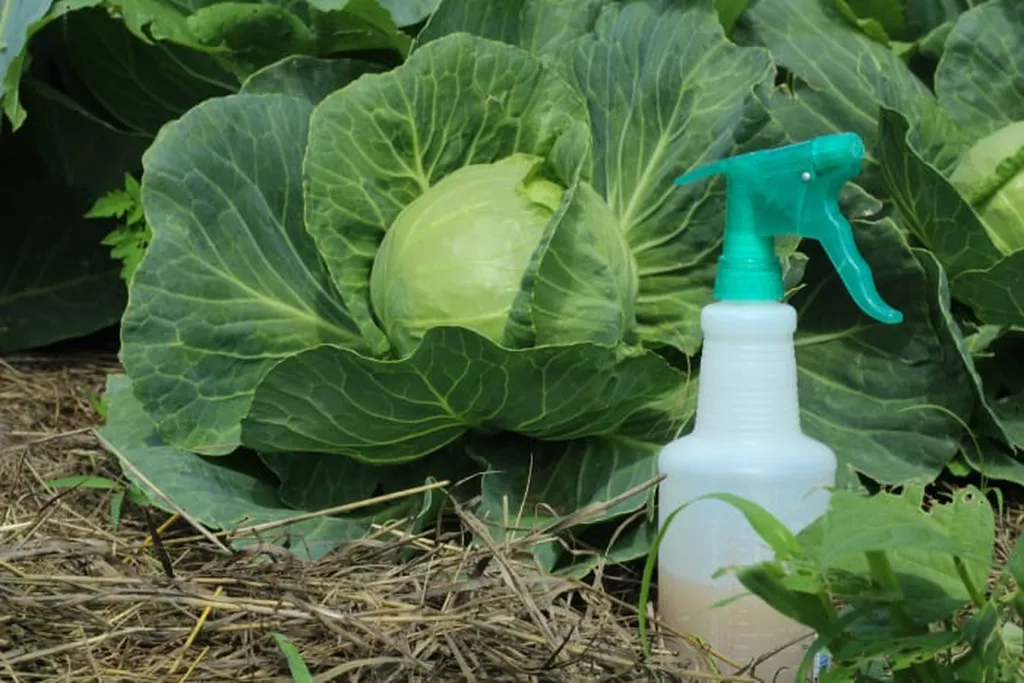
In the heart of sustainable agriculture, a new study is making waves, offering a promising alternative to conventional chemical insecticides. Researchers have formulated organic pesticides derived from garlic, onion, and chili, demonstrating significant potential in managing pests that plague cabbage crops. This development could reshape pest control strategies, particularly in urban farming where cabbage is a dietary staple.
The study, led by Gemechu Duguma Argessa, focuses on combating pests like the cabbage aphid, cabbage webworm, cabbage white butterfly, and diamondback moth. These pests cause substantial damage to cabbage plants at various growth stages, threatening both yield and quality. “The widespread use of chemical insecticides has undoubtedly boosted agricultural output, but it has also led to the elimination of beneficial organisms and the development of resistance in certain insect populations,” Argessa explains. This dilemma has spurred the search for more sustainable and eco-friendly solutions.
The organic pesticides formulated from hot pepper (Capsicum frutescens), garlic (Allium sativum), and onions have shown promising results in managing these pests. The research, published in the journal ‘Food and Environment Safety’, highlights the importance of integrating such organic solutions into modern agricultural practices. “Given the critical role of cabbage in human diets, particularly in urban areas, implementing effective insect control measures is essential for enhancing production,” Argessa emphasizes.
The commercial implications of this research are substantial. Farmers could benefit from reduced dependency on chemical insecticides, which often come with high costs and environmental concerns. Organic pesticides offer a more sustainable and cost-effective alternative, potentially increasing profitability while promoting environmental stewardship. This shift could also open new markets for organic produce, catering to the growing consumer demand for pesticide-free and eco-friendly products.
Moreover, the adoption of organic pest control methods could mitigate the development of pesticide resistance, a significant challenge in modern agriculture. By diversifying pest management strategies, farmers can ensure long-term sustainability and resilience in their operations.
This research not only addresses immediate pest control needs but also paves the way for future developments in sustainable agriculture. As the agricultural sector continues to evolve, the integration of organic solutions like these could become a cornerstone of modern farming practices. The study led by Gemechu Duguma Argessa, published in ‘Food and Environment Safety’, serves as a beacon of innovation, guiding the industry towards a more sustainable and productive future.