
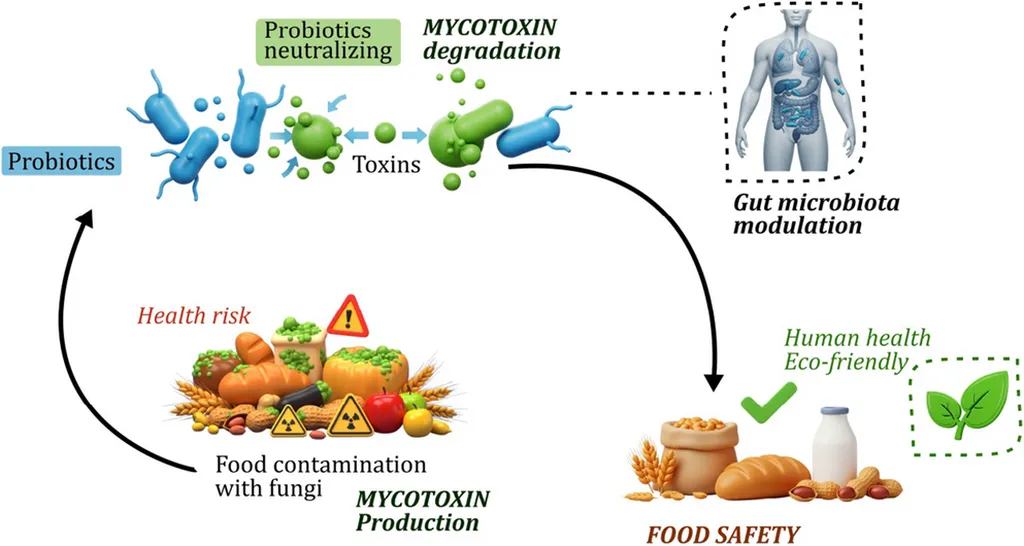
In the ever-evolving landscape of agricultural technology, a recent study published in the *CyTA – Journal of Food* has shed new light on the intricate dance between probiotics and mycotoxins in pig feed. The research, led by Éva Varga-Visi from the Department of Physiology and Animal Health at the Hungarian University of Agriculture and Life Sciences, delves into the bioaccessibility of fumonisin B series (FBs) and the potential role of specific lactobacilli in mitigating their effects.
Fumonisins, a group of mycotoxins produced by certain fungi, are known to pose significant health risks to livestock, particularly pigs. These toxins can lead to reduced feed intake, impaired growth, and even organ damage. The study aimed to investigate the impact of FBs on the viability of potentially probiotic isolates of *Lactiplantibacillus plantarum* and *Levilactobacillus brevis*, and to evaluate how these isolates influence the bioaccessibility of FBs in a simulated digestion system.
The findings were intriguing. Neither the simulated digestion process nor the presence of FBs adversely affected the viability of the lactobacilli isolates until the end of the small intestinal phase. This resilience is a promising indicator of their potential to survive the digestive journey and exert beneficial effects. Moreover, the presence of these lactobacilli isolates significantly reduced the bioaccessibility of FB1, the most dominant form of FBs. “This reduction in bioaccessibility suggests that these probiotic strains could play a crucial role in biological detoxification,” Varga-Visi noted.
However, the story is not without its complexities. The study found that the change in the bioaccessibility of FB2 was only minor, and an adverse effect was observed for FB3. This variability underscores the need for further research to fully understand the conditions and processes governing the bioaccessibility of FBs in digested feeds.
The commercial implications for the agriculture sector are substantial. If probiotics can indeed reduce the bioaccessibility of certain mycotoxins, this could lead to the development of innovative feed additives that enhance animal health and productivity. “This research opens up new avenues for exploring the use of probiotics in feed formulations,” Varga-Visi explained. “It’s a step towards more sustainable and effective strategies for managing mycotoxin contamination in livestock feeds.”
The study also highlights the importance of continued research in this field. As Varga-Visi pointed out, “More studies are needed to elucidate the conditions and processes which govern the bioaccessibility of FBs in digested foods or feeds.” This call to action resonates with the broader agricultural community, which is constantly seeking new ways to improve animal health and productivity while minimizing the impact of harmful contaminants.
In the grand tapestry of agritech, this research is a thread that weaves together the realms of microbiology, nutrition, and animal health. It offers a glimpse into a future where probiotics could play a pivotal role in safeguarding livestock from the deleterious effects of mycotoxins. As the agricultural sector continues to evolve, such innovations will be crucial in meeting the growing demand for safe, sustainable, and efficient food production systems.