
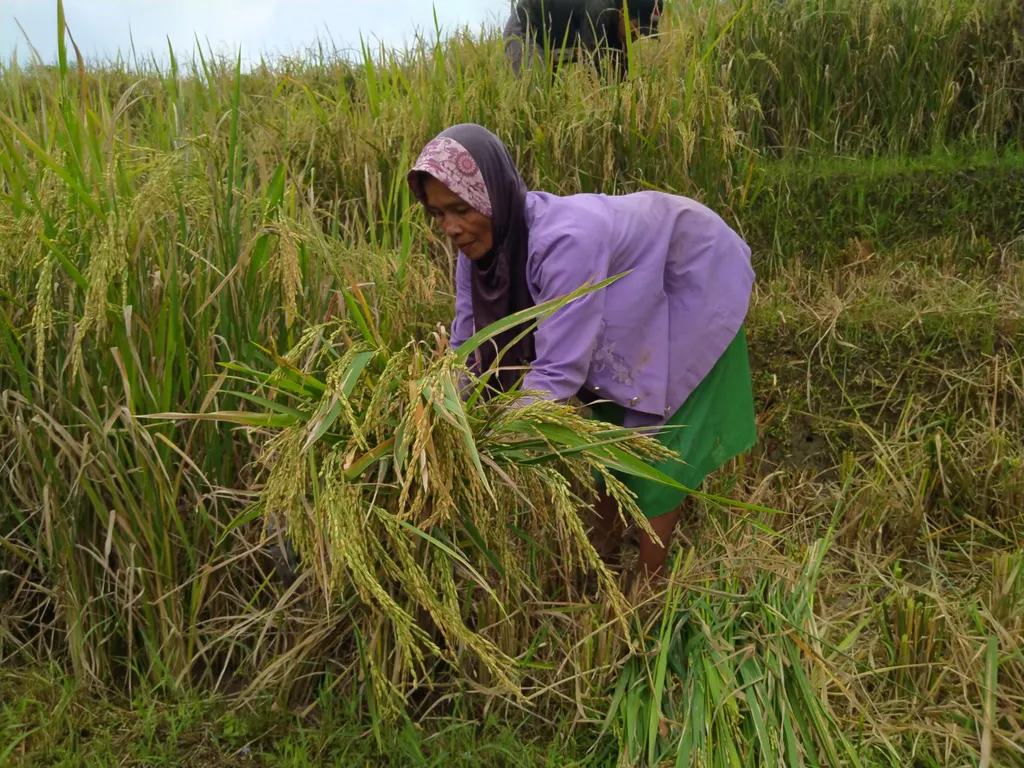
In the heart of Yogyakarta, Indonesia, a quiet revolution is taking place, one home yard at a time. Women farmer groups are transforming underutilized urban spaces into thriving food sources, contributing to local food security and reshaping the agricultural landscape. This community-based approach to urban farming is not just a social endeavor; it’s a commercial opportunity waiting to be harnessed.
A recent study published in the *BIO Web of Conferences* and led by Wulandari Retno from the Department of Agribusiness at Universitas Muhammadiyah Yogyakarta, sheds light on the significant role these women farmer groups play in optimizing urban home yard utilization. The research, which sampled 48 respondents, reveals that these groups act as learning hubs, cooperative platforms, and production units, driving urban farming activities and enhancing household and community resilience.
The findings are promising, with women farmer groups demonstrating a moderate yet impactful role in urban agriculture. “These women possess significant potential to enhance household and community resilience,” Retno explains. The study identifies key factors influencing their role, including age, farming experience, participation levels, leadership, agricultural extension support, and government involvement.
The commercial implications of this research are substantial. By empowering women and fostering collaborative local food production, urban farming can strengthen food security and create new economic opportunities. The agriculture sector stands to gain from this trend, as it opens up avenues for innovative agribusiness models, such as urban farming cooperatives, local food distribution networks, and agri-tech solutions tailored to urban environments.
Moreover, the study highlights the importance of policy and institutional support in scaling up urban farming. As cities around the world grapple with food security challenges, the Yogyakarta model offers a blueprint for sustainable urban agriculture. By investing in community-based initiatives and leveraging the potential of underutilized urban spaces, cities can enhance their food resilience and create new economic opportunities.
The research also underscores the need for further investment in agricultural extension services and leadership development within these communities. By providing women farmer groups with the necessary resources and support, cities can unlock the full potential of urban agriculture and create a more sustainable and resilient food system.
As the world continues to urbanize, the lessons from Yogyakarta offer valuable insights for the future of agriculture. By embracing community-based urban farming, cities can not only enhance their food security but also create new economic opportunities and foster a more sustainable and resilient food system. The agriculture sector, in particular, stands to gain from this trend, as it opens up avenues for innovative agribusiness models and new markets.
In the words of Retno, “Urban farming, when supported by community-based initiatives, can strengthen food security by empowering women, improving resource efficiency, and fostering collaborative local food production.” The commercial impacts of this research are clear, and the potential for the agriculture sector is immense. As cities around the world look to enhance their food security and create new economic opportunities, the Yogyakarta model offers a promising path forward.