
As we step into 2026, the global agricultural landscape is undergoing a profound transformation, driven by technological innovation and the urgent need to address pressing challenges such as climate change and resource scarcity. Agriculture remains a cornerstone of the world economy, providing essential food and raw materials, and shaping international trade dynamics. By 2025, global agricultural trade is projected to reach $1.8 trillion, a testament to the sector’s resilience and adaptability in the face of evolving global demands.
The significance of agriculture extends beyond mere food production. It underpins economic stability, drives GDP growth, and supports a vast array of industries by supplying critical raw materials. From cotton and rubber to biofuels, agriculture’s contributions are far-reaching, influencing sectors as diverse as manufacturing, energy, and textiles. The sector’s role in food security is paramount, ensuring that the growing global population, expected to surpass 8 billion by 2025, is adequately nourished.
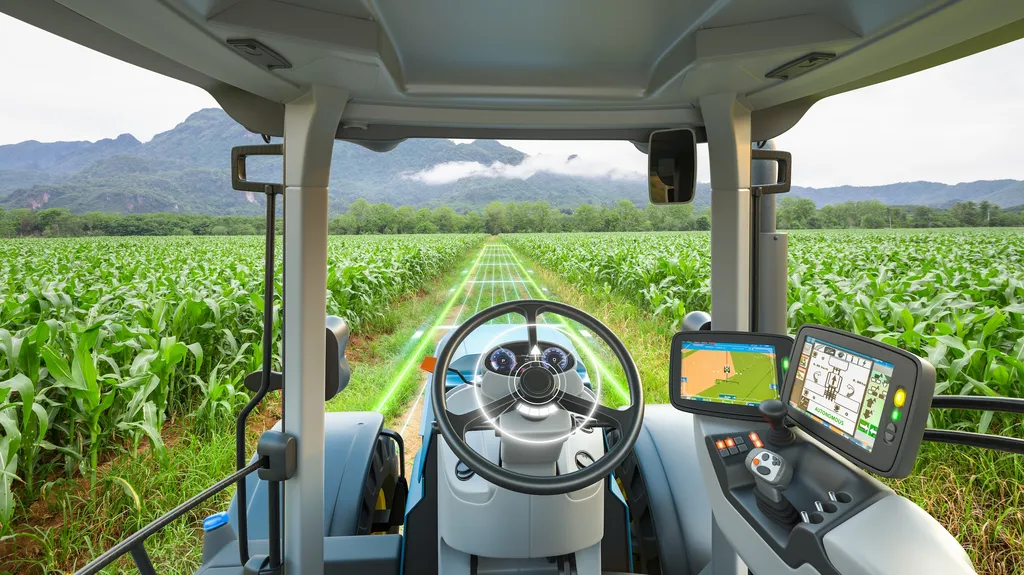
Innovative agri-tech solutions are at the forefront of this transformation, promising to increase crop yields by 25% worldwide by 2026. These advancements include precision farming techniques, automated machinery, and data-driven management systems that optimize resource use and minimize waste. Drones and satellites provide real-time crop monitoring, while AI and IoT solutions enable farmers to make informed decisions, enhancing productivity and sustainability.
The integration of blockchain technology ensures transparent and authentic supply chains, fostering trust and efficiency in agricultural trade. This is particularly crucial as global trade policies and tariffs continue to evolve, impacting the flow of agricultural goods across borders. Countries like Nigeria have seen significant growth in non-oil exports by adopting hybrid seedlings and advanced agri-tech, highlighting the potential for export-led economic development.
Sustainability is another critical aspect of modern agriculture. Regenerative practices, such as conservation tillage and agroforestry, are gaining traction as farmers strive to reduce greenhouse gas emissions and enhance biodiversity. Innovations in water management, including drip irrigation and rainwater harvesting, are essential for conserving this precious resource and ensuring long-term agricultural viability.
Infrastructure and supply chain management are also evolving to meet the demands of the 21st century. Investments in transportation networks, processing facilities, and cold chain logistics are crucial for minimizing post-harvest losses and maximizing economic returns. Digital supply chains further streamline operations, benefiting smallholder farmers and transforming rural livelihoods.
As we look to the future, the success of the global food system hinges on the empowerment of farmers. Equipping them with the tools and knowledge to adapt to new technologies and sustainable practices will be key to ensuring food security and economic resilience. Companies like Farmonaut are leading the way, offering comprehensive solutions for large-scale farm management and product traceability, thereby enhancing the sector’s efficiency and transparency.
In conclusion, agriculture remains a vital necessity in production and trade, shaping the global economic landscape and addressing critical challenges. The integration of advanced technologies and sustainable practices is set to revolutionize the sector, ensuring that it continues to thrive in the years to come.