
Brazil, a global agricultural powerhouse, is leading the charge in the adoption of microbial bioinputs, a trend that is reshaping the agricultural landscape and offering significant economic and environmental benefits. According to a recent study published in the Journal of Integrative Agriculture, Brazil’s progressive regulatory framework and extensive agricultural sector have positioned the country as the world’s foremost producer and user of bioinputs in agriculture.
Bioinputs, which include biofertilizers, biostimulants, and inoculants, generate annual savings of billions of dollars that would otherwise be allocated to chemical fertilizers and pesticides. These bioinputs are not only enhancing soil quality and decreasing carbon footprints but also supporting the United Nations’ Sustainable Development Goals.
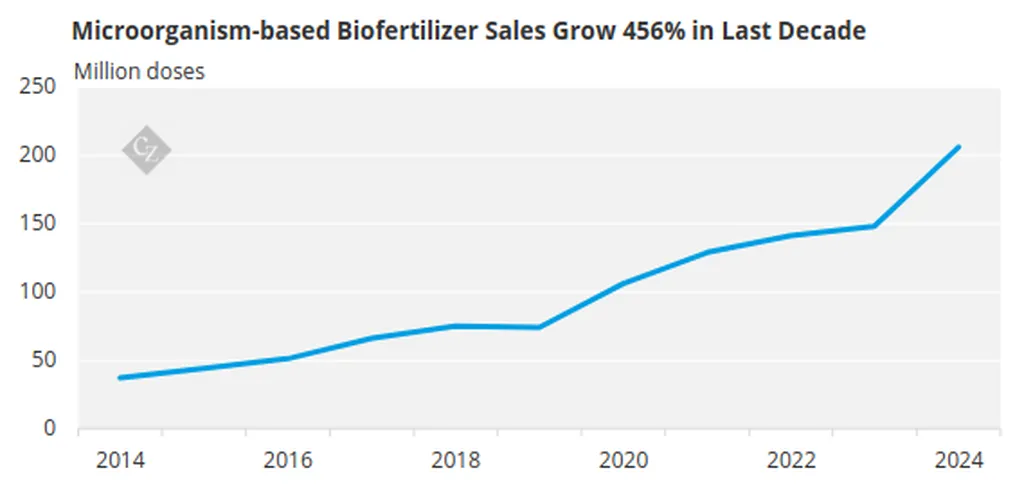
The study, led by Alane Beatriz Vermelho from the Bioinovar-Biotechnology Center at the Federal University of Rio de Janeiro (UFRJ), highlights that Brazil has registered over six hundred inoculants, with at least 60% specifically designated for soybean cultivation. The annual sales of inoculants in Brazil reach approximately 120 million doses, underscoring the commercial impact of these bioinputs.
“Brazil’s leadership in microbial bioinput utilization stems from its extensive agricultural sector, rich microbial biodiversity, and progressive regulatory framework,” Vermelho said. This leadership is evident in the country’s ability to maintain global competitiveness partly through reduced chemical fertilizer and pesticide costs enabled by bioinput usage.
The study also sheds light on the production challenges faced by the sector, including quality control and product availability. As on-farm production of inoculants becomes prevalent on larger farms, ensuring quality control becomes increasingly important.
Looking ahead, the research suggests that Brazil’s model of bioinput agriculture could serve as a blueprint for countries transitioning toward regenerative agriculture. The country’s success in this area is a testament to the potential of microbial bioinputs to transform the agricultural sector, offering a sustainable and economically viable alternative to traditional chemical-based approaches.
As the global agricultural sector continues to evolve, the insights gleaned from Brazil’s experience with microbial bioinputs could shape future developments in the field, paving the way for a more sustainable and resilient agricultural future. The study, published in the Journal of Integrative Agriculture, underscores the importance of continued research and innovation in this area, highlighting the potential of microbial bioinputs to revolutionize the way we think about and practice agriculture.