
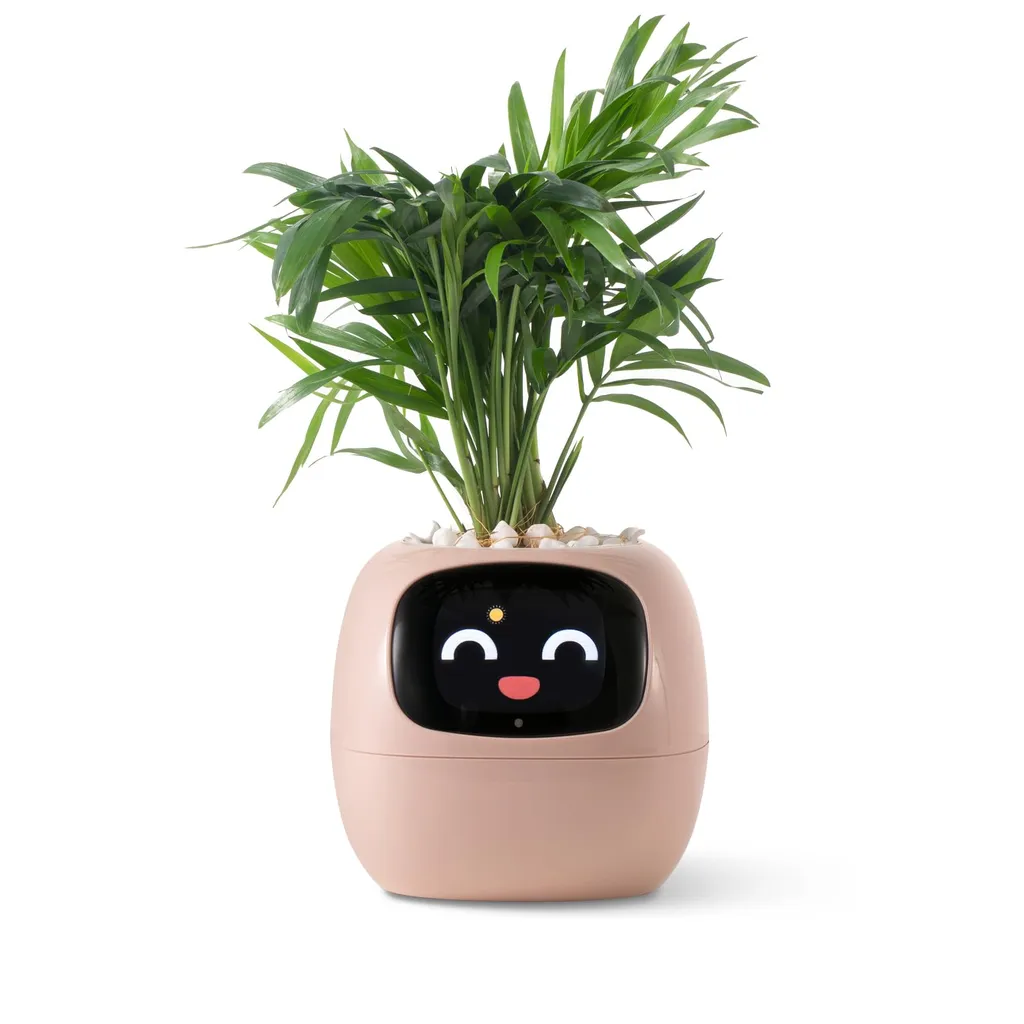
In a groundbreaking development for both amateur gardeners and professional growers, researchers have introduced an innovative smart pot that not only automates plant care but also communicates the emotional needs of plants. This cutting-edge technology, detailed in a recent study published in IEEE Access, promises to revolutionize the way we interact with and cultivate plants, offering significant benefits for the agriculture sector.
The smart pot, developed by a team led by Iuliana Marin from the Faculty of Engineering in Foreign Languages at the National University of Science and Technology POLITEHNICA Bucharest, addresses the subtle and varied needs of different plant species. By automating key maintenance tasks such as watering, light exposure, and soil moisture management, it provides an efficient solution for individuals with busy lives or limited plant care experience. “This system is designed to make plant care intuitive and sustainable,” Marin explains. “It supports the user by conveying the plant’s needs through messages and emotions, ensuring that even those with little gardening experience can successfully cultivate a variety of plants.”
One of the standout features of the smart pot is its interactive display, which conveys the plant’s needs through messages and emotions. This intuitive interface makes it easier for users to understand and respond to their plants’ requirements. The automatic watering system activates only when soil moisture falls below a set threshold, maintaining optimal conditions while minimizing water waste. This not only promotes sustainable practices but also ensures that plants receive the right amount of water at the right time.
To evaluate the performance of the smart pot, the research team collected extensive data on temperature, humidity, and light intensities over a six-month period. The data, which included soil moisture, temperature, and light sensor readings, was processed by an embedded controller and refined using Python’s Pandas library. The statistical analysis revealed significant patterns and correlations, highlighting the system’s adaptability to different environmental and experimental conditions.
For instance, the study found that temperature showed a positive correlation with red light intensity and an inverse correlation with white light intensity in roses. These relationships varied in rice, demonstrating the system’s ability to adapt to different plant species. Correlation matrices visualized complex interactions, such as competition between natural and blue light intensities in roses, which were less pronounced in rice. Overall, roses showed up to a 70% reduction in flower production under heat stress, and automated irrigation maintained soil humidity within the 40-70% optimal range, validating the system’s efficiency.
The implications of this research for the agriculture sector are profound. By automating plant care and providing real-time feedback, the smart pot can help growers optimize plant growth and yield. This technology has the potential to enhance productivity and sustainability in both small-scale and large-scale agricultural operations. “The smart pot’s ability to support diverse plant species while promoting sustainability lays a strong foundation for advancements in interactive gardening technology,” Marin notes.
Looking ahead, this research could shape future developments in the field of agritech. The integration of automation and emotional feedback systems in plant care technology opens up new possibilities for precision agriculture. As the technology evolves, it could become a standard tool for growers, enabling them to cultivate a wider variety of plants with greater ease and efficiency. The smart pot’s success in optimizing plant growth highlights the potential for further innovations in interactive gardening technology, paving the way for a more sustainable and productive future in agriculture.