
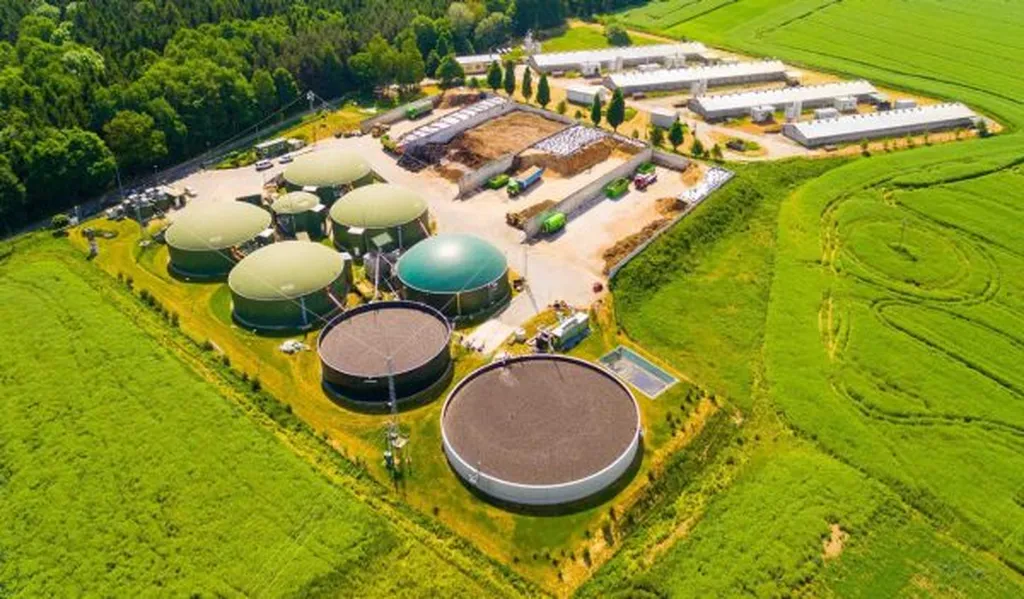
In a world grappling with mounting waste and soaring energy demands, a new review published in *Next Energy* offers a beacon of hope, spotlighting non-agricultural biomass as a sustainable feedstock for bioenergy production. Led by Gerald Enos Shija from the Chemistry Department at The University of Dodoma in Tanzania, the research delves into the untapped potential of municipal solid waste, forestry residues, industrial organic waste, algal biomass, textile waste, and even invasive plant species, presenting a compelling case for their role in waste management, energy security, and the circular bioeconomy.
The review, which explores the physicochemical properties and conversion technologies of these feedstocks, underscores the environmental benefits of harnessing non-agricultural biomass. “By converting waste into energy, we can significantly reduce methane emissions from landfills and sequester carbon, contributing to global net-zero emissions goals,” Shija explains. The study evaluates various conversion technologies, including pyrolysis, gasification, anaerobic digestion, and hydrothermal liquefaction, highlighting their potential to transform waste into valuable energy resources.
One of the most exciting aspects of this research is its focus on advanced pretreatments that enhance conversion efficiencies, addressing challenges like feedstock heterogeneity and high moisture content. “We’re not just talking about managing waste; we’re talking about creating value from what was once considered valueless,” Shija notes. This shift in perspective opens up new avenues for job creation and reduces dependency on fossil fuels, aligning with sustainable development goals for clean energy and sustainable cities.
The review introduces three novel contributions that could shape the future of waste-to-energy systems. First, it proposes an AI-integrated urban biorefinery framework that leverages plasma gasification and AI-driven sorting to optimize the use of heterogeneous feedstocks. Second, it explores valorization strategies for understudied feedstocks like invasive species, enhancing bioenergy outputs through hybrid systems. Lastly, it outlines scalable pathways tailored to both urban and rural waste systems, ensuring that the solutions are practical and adaptable.
For the agriculture sector, the implications are significant. By diverting non-agricultural biomass away from landfills and towards energy production, farmers can reduce their environmental footprint and potentially generate additional revenue streams. The research also highlights the importance of policy incentives, such as carbon taxes, in making these strategies economically viable. “Policy support is crucial for scaling up these technologies and integrating them into existing waste management and energy systems,” Shija emphasizes.
As the world moves towards a more sustainable future, the insights from this review could pave the way for innovative waste-to-energy solutions that benefit both the environment and the economy. By harnessing the power of non-agricultural biomass, we can turn waste into a valuable resource, supporting global efforts to achieve net-zero emissions by 2050. The research, published in *Next Energy* and led by Gerald Enos Shija from the Chemistry Department at The University of Dodoma in Tanzania, offers a roadmap for transforming waste management and energy production, making it a pivotal study in the field of sustainable bioenergy.