
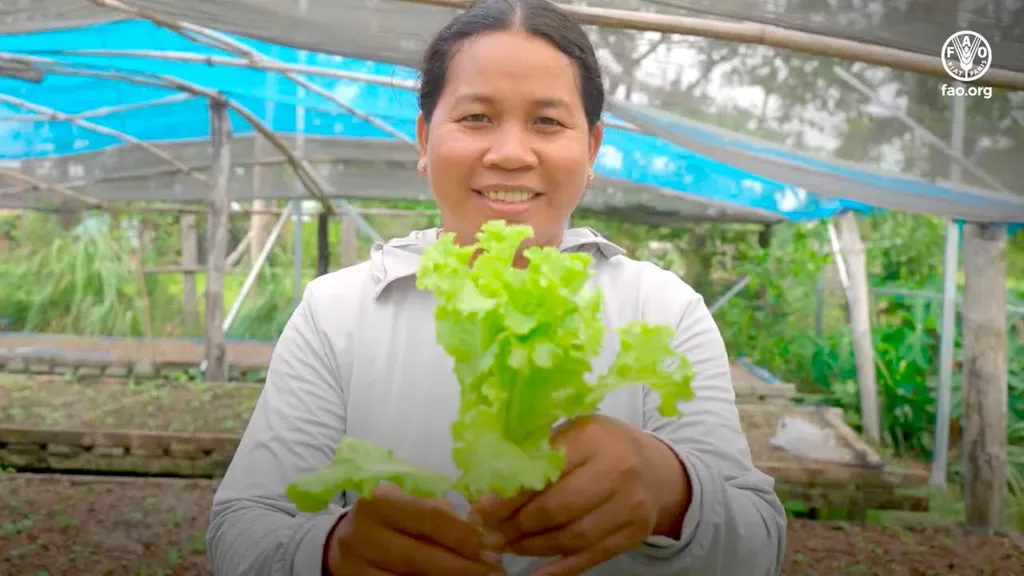
In the heart of Cambodia’s Northern Tonle Sap Basin, a groundbreaking initiative is reshaping how climate services are delivered to farmers, offering a blueprint for agricultural resilience that could ripple across the globe. The PEARL Project, supported by the Green Climate Fund and led by the United Nations Food and Agriculture Organization (FAO), has co-produced Standard Operating Procedures (SOPs) that are transforming fragmented climate advisory services into a cohesive, farmer-centric system. This isn’t just about weather forecasts; it’s about empowering farmers with actionable insights that can safeguard their livelihoods and boost productivity.
The project brought together 381 participants—government agencies, extension officers, private actors, and farmers—to identify 15 key actions across data generation, processing, dissemination, and feedback. The result? A participatory framework that prioritizes inclusivity and resilience over digital-only solutions. “Farmer-interactive and institutionally embedded mechanisms yield greater inclusivity and resilience than digital-only channels,” explains Brigadier Libanda, lead author of the study published in *Societal Impacts* and a key figure at FAO Cambodia. This collaborative approach has already produced national data-sharing agreements and a public-private partnership, demonstrating how climate services can evolve from project-based initiatives into sustained, system-level practices.
The commercial impact of this research is profound. By institutionalizing agrometeorological advisory delivery, the PEARL Project is equipping farmers with the tools they need to mitigate climate risks, optimize resource use, and ultimately increase yields. For the agriculture sector, this means more predictable supply chains, reduced losses, and enhanced market stability. The project’s success in Cambodia offers a replicable model for other countries pursuing climate-resilient agriculture, highlighting the importance of participatory approaches in co-producing climate service protocols.
As the world grapples with the escalating challenges of climate change, the lessons from Cambodia’s Northern Tonle Sap Basin serve as a beacon of hope. The PEARL Project’s emphasis on collaboration and inclusivity could very well shape the future of climate services, ensuring that farmers—not just in Cambodia, but globally—are better prepared to face the uncertainties of a changing climate.