
In the rapidly evolving world of uncrewed aerial vehicles (UAVs), or drones, researchers are tackling one of the most persistent challenges: battery life. A recent study published in *Scientific Reports* offers a promising solution that could revolutionize the way drones are used in agriculture and other critical applications. The research, led by A. Sophia Mary from the School of Electronics Engineering at Vellore Institute of Technology, introduces a novel strategy for optimizing energy consumption in Flying Ad-Hoc Networks (FANETs), dynamic networks of interconnected UAVs.
The study addresses two key challenges in FANET-based UAV operations: optimizing energy consumption and ensuring stable communication links. “The limited battery life of UAVs remains a critical challenge, particularly in extended missions like search and rescue (SAR), where operational longevity and reliable performance are paramount,” explains Mary. To overcome this, the researchers propose a dual-battery system that intelligently manages power distribution. One battery (B1) is dedicated to flight dynamics and payload operations, while the other (B2) powers processor/sensor activities and continuous wireless communication.
The researchers leveraged a multi-agent deep reinforcement learning (MADRL) framework, specifically using Proximal Policy Optimization (PPO) agents, to manage the dual-battery system. These agents dynamically establish communication between UAVs, sharing information about energy usage and environmental conditions. This intelligent management system ensures that energy is conserved efficiently, extending the battery life of each UAV within the FANET system.
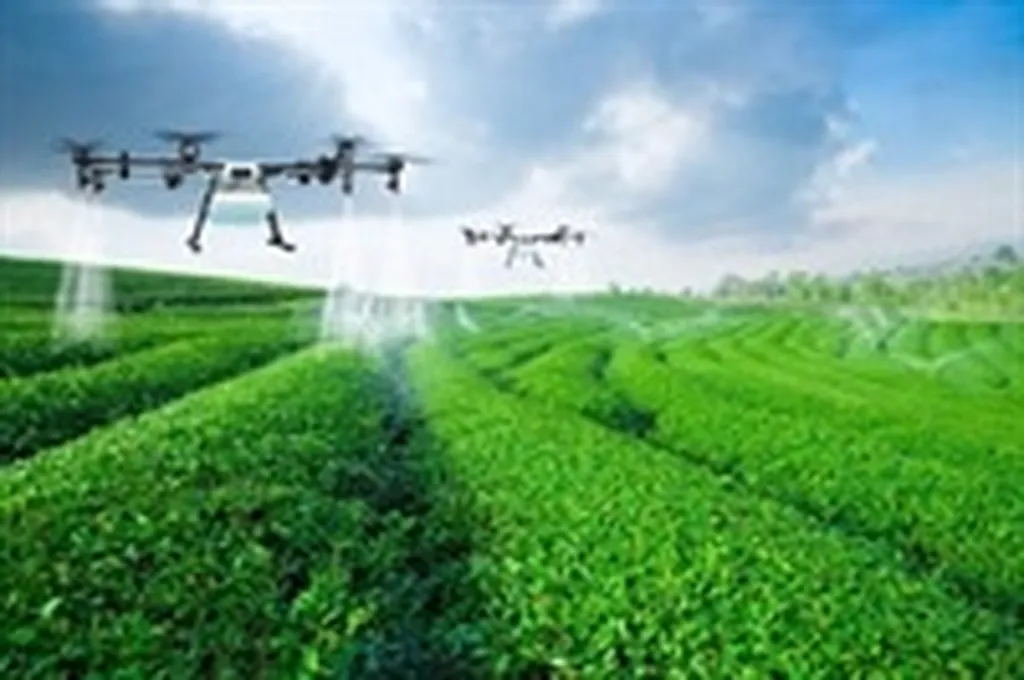
The implications for the agriculture sector are significant. Precision agriculture relies heavily on UAVs for tasks such as crop monitoring, pesticide application, and data collection. Extended battery life means that drones can cover larger areas and operate for longer periods, increasing efficiency and reducing the need for frequent recharging or battery swaps. “This research lays the foundation for developing energy-efficient UAV systems, which are crucial for large-scale and autonomous deployments in mission-critical scenarios,” says Mary.
The study’s experimental results demonstrate that MADRL enhances network connectivity and significantly reduces energy wastage, enabling sustained operations over longer durations. This breakthrough could pave the way for more reliable and efficient UAV deployments in agriculture, search and rescue, and disaster response.
As the agriculture industry continues to embrace technology, the integration of energy-efficient UAV systems could transform the way farmers manage their crops and resources. The research by Mary and her team not only addresses a critical technical challenge but also opens up new possibilities for the commercial application of drones in agriculture. With further development, these energy-optimized UAVs could become a standard tool in the agricultural toolkit, enhancing productivity and sustainability.
In the broader context, this research highlights the potential of AI and machine learning in optimizing resource management. As UAV technology continues to advance, the integration of intelligent systems like MADRL could lead to more autonomous and efficient operations across various industries. The study published in *Scientific Reports* serves as a testament to the innovative work being done in the field of agritech and beyond, offering a glimpse into a future where technology and sustainability go hand in hand.