
In the quest to feed a growing global population amidst a changing climate, scientists are exploring innovative ways to boost crop yields. One promising avenue is enhancing photosynthesis—the process by which plants convert sunlight into energy—through biotechnology. A recent study published in *Scientific Reports* sheds light on how farmers and key agrifood stakeholders perceive this cutting-edge approach, particularly for rice and potato, two of the world’s most vital crops.
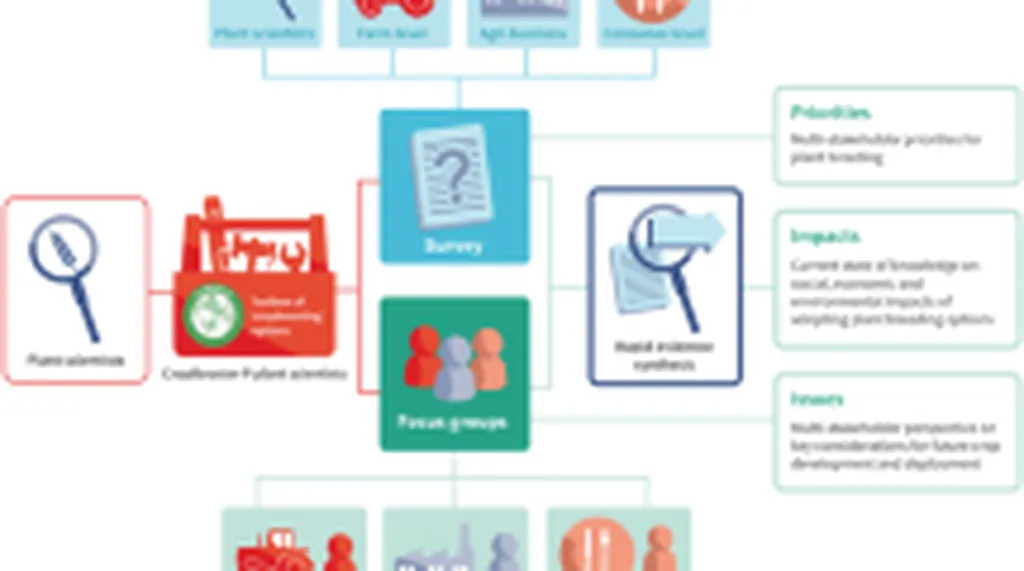
The research, led by Jonathan Menary of Fera Science, involved focus groups with 62 participants across four countries. The findings reveal a nuanced perspective on the potential benefits and challenges of using biotechnology to improve photosynthesis. Farmers generally welcomed the idea of boosting photosynthesis, recognizing its potential to increase yields and improve water and radiation use efficiency. These improvements could lead to more sustainable agricultural practices, a critical consideration as farmers grapple with the impacts of climate change.
However, the study also uncovered concerns about balancing the agronomic and market demands that new varieties might introduce. Farmers in low-income countries, such as the Philippines and Bangladesh, expressed fewer reservations about biotechnology, drawing on their experience with existing biotech crops like Golden Rice and Bt Brinjal. “Our understanding is based on what we’ve seen work before,” said one participant from Bangladesh. “If it can help us grow more with less, we’re open to it.”
In contrast, farmers in Europe and industry stakeholders were more cautious. Their apprehensions stemmed from perceived consumer and supermarket attitudes toward biotechnology. “There’s a lot of skepticism out there,” noted a European farmer. “We need to make sure that any new technology is accepted by the market before we can fully embrace it.”
The study highlights the importance of stakeholder engagement in the development and adoption of new agricultural technologies. As Jonathan Menary explains, “Understanding farmer perspectives is crucial for the success of any biotech initiative. Their insights can shape how we approach breeding programs and ensure that new varieties meet both agronomic and market needs.”
The commercial implications of this research are significant. Enhancing photosynthesis could lead to higher yields, reduced water usage, and more resilient crops, all of which are essential for a sustainable and profitable agriculture sector. However, the study underscores the need for careful consideration of market dynamics and consumer acceptance. As the agriculture industry looks to the future, the findings from this research could guide the development of new biotech crops that not only boost productivity but also align with the expectations of farmers and consumers alike.
In the broader context, this research could shape future developments in crop biotechnology. By addressing the concerns and leveraging the insights of farmers and stakeholders, scientists and agricultural innovators can pave the way for technologies that are both effective and widely accepted. As the global population continues to grow and climate challenges intensify, the quest to improve photosynthesis through biotechnology offers a promising path forward—one that must be navigated with careful consideration of all stakeholders involved.