
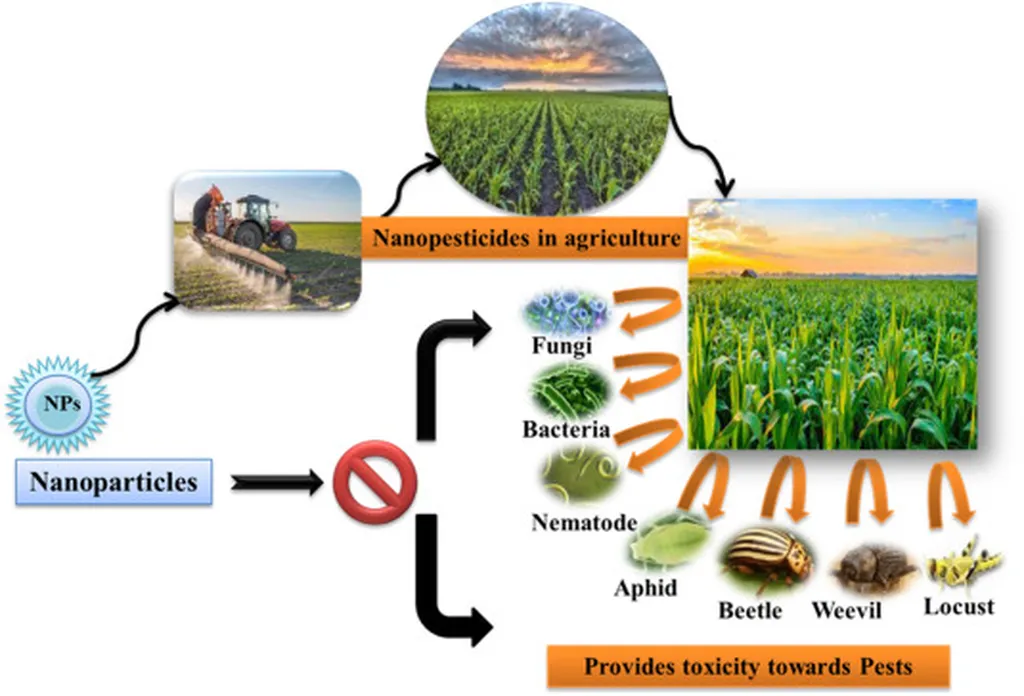
In the heart of arid regions, where farming is a constant battle against harsh conditions, a new study offers a glimmer of hope for garlic growers. Researchers have found that combining beneficial fungi and nanoparticles can significantly boost garlic plant growth and yield, providing a sustainable alternative to chemical fertilizers.
The study, published in *BMC Plant Biology*, explored the synergistic effects of *Trichoderma harzianum*, a beneficial fungus, and chitosan nanoparticles on garlic cultivation. The results were striking. Garlic plants inoculated with *T. harzianum* and sprayed with 100 ppm chitosan nanoparticles showed a 22% increase in bulb fresh weight, a 15% increase in bulb diameter, and a 25% increase in bulb dry weight. These findings suggest that this combination could revolutionize garlic farming in arid regions.
“Our findings indicate that microbial and natural biostimulants, such as *Trichoderma* and chitosan, can be considered successful and sustainable agricultural practices,” said Osama Abdelsalam Shalaby, lead author of the study from the Plant Production Department at the Desert Research Center. The study also found that the combination increased nutrient uptake, improved physiological status, and promoted plant growth.
The implications for the agriculture sector are substantial. With the increasing demand for sustainable and environmentally friendly farming practices, this study offers a promising alternative to chemical fertilizers. The use of biofertilizers and plant biostimulants can not only improve crop yields but also contribute to soil health and environmental sustainability.
The study’s findings could pave the way for future developments in the field of sustainable agriculture. As researchers continue to explore the potential of microbial and natural biostimulants, we may see a shift towards more eco-friendly farming practices. This could lead to increased crop yields, improved soil health, and a reduced environmental impact.
In the words of Shalaby, “This study opens up new avenues for sustainable agriculture, particularly in arid regions where farming is challenging.” As we look to the future, the integration of beneficial fungi and nanoparticles in agriculture could be a game-changer, offering a sustainable and effective solution to the challenges faced by farmers in arid regions.