
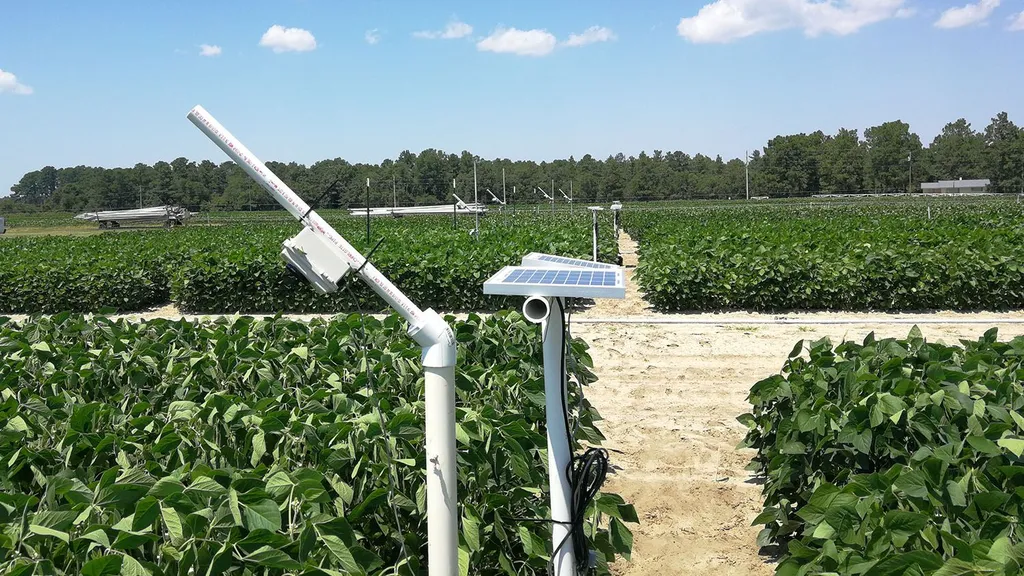
In the heart of North Carolina, a technological revolution is taking root, quite literally. The state’s agriculture industry is undergoing a significant transformation, driven by the adoption of precision data technologies. This shift has been particularly evident in the past year, with North Carolina Agronomic Services (NCAS) at the helm, implementing new tools to assist growers. The result? A 35% increase in crop monitoring efficiency among new tech-savvy growers, as reported in the Agriculture Review March 2025.
The rapid evolution of farming practices in North Carolina is a response to the challenges and opportunities presented by a changing climate, shifting consumer demands, and economic pressures. The state’s diverse range of crops, including tobacco, soybeans, corn, and sweet potatoes, are deeply intertwined with the region’s history and contribute significantly to the state’s GDP. NCAS, a key player in this agronomic transformation, is leading the charge towards a more technology-driven and sustainable model of agriculture.
The suite of new technologies adopted by NCAS is designed to optimize soil health, crop yield, precision input application, and field monitoring. These include satellite imagery and drones for high-resolution field surveys, AI-driven data analytics for actionable insights, IoT soil sensors for real-time monitoring, and augmented reality (AR) field consultations for in-field visits. The goal is to empower growers to make smarter, data-driven decisions tailored to each acre’s unique needs.
The implications of this technological adoption are far-reaching. It addresses critical issues such as weather uncertainty, soil degradation, labor shortages, and the growing need for environmental stewardship. It also supports the sustainable future of North Carolina agriculture into 2026 and beyond. As one industry expert noted, “Adopting precision agriculture isn’t just about embracing the latest tech—it’s about empowering North Carolina growers to make smarter, data-driven decisions tailored to each acre’s unique needs.”
Moreover, the use of drones equipped with multispectral cameras for remote sensing, coupled with AI-powered analytics, has revolutionized crop monitoring. These tools enable rapid intervention, preventing substantial yield losses and reducing unnecessary chemical usage. This results in higher productivity, minimized costs, and positive environmental outcomes across the state.
In conclusion, the adoption of precision data technologies in North Carolina’s agriculture industry is a testament to the state’s commitment to innovation and sustainability. As the industry continues to evolve, it is clear that technology will play a pivotal role in shaping the future of farming in North Carolina.