
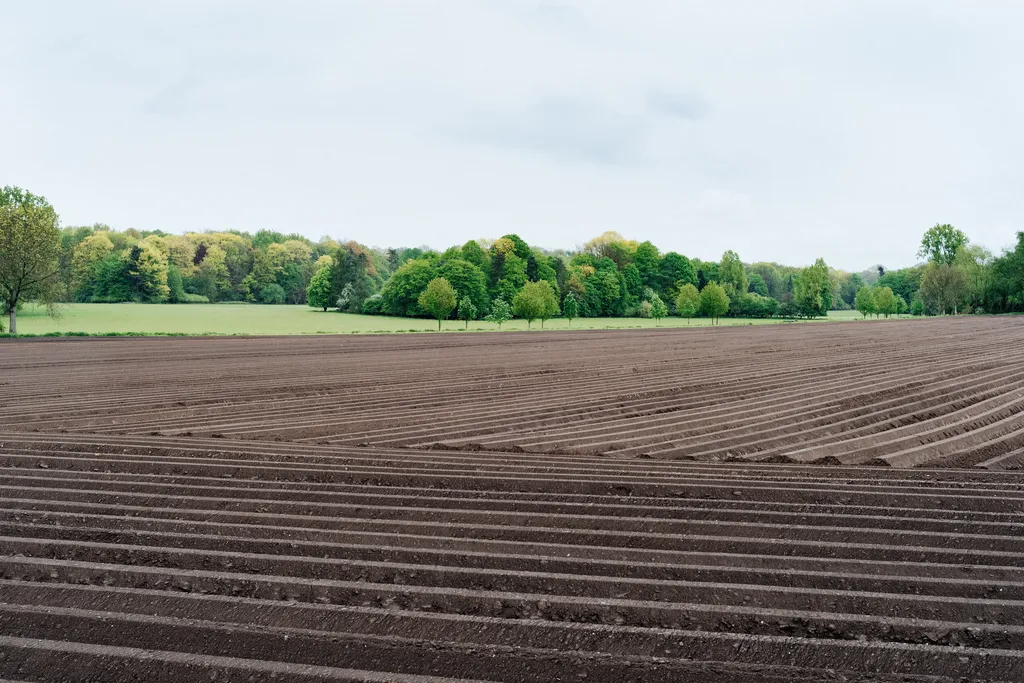
In the quest for sustainable agriculture, understanding the health of our soils is paramount. A recent study published in *Ecological Indicators* sheds light on the most effective methods for assessing soil health, offering valuable insights for farmers and agronomists alike. Led by Ye Yuan of the College of Agronomy at Jilin Agricultural University and the Research Institute of Agricultural Resources and Environment at Jilin Academy of Agricultural Science, the research compares various approaches to soil health index (SHI) calculation and minimum dataset (MDS) construction, using data from a 40-year tillage experiment on Mollisol farmland.
The study evaluated 27 indicators encompassing soil physical, chemical, and microbial properties across two soil layers (0–20 cm and 20–40 cm). Two MDS construction methods and three indicator selection approaches were employed, along with two scoring methods and two SHI calculation techniques. The findings revealed that moldboard ploughing tillage (MP) and sub-soiling tillage (ST) improved SHI in the 0–40 cm soil layer by 4.81% to 11.82% compared to no-tillage (NT) and conventional tillage (CT).
“The most important indicators for evaluating the impact of different tillage practices on SHI were soil organic carbon, dissolved organic carbon, and soil compaction,” noted Ye Yuan. This consistency across different MDS construction methods and indicator selection approaches underscores the critical role these factors play in soil health assessment.
The study also highlighted that the SHI calculated using network analysis (NA), soil ecosystem multifunctionality grouping MDS (EMDS), and non-linear (NL) methods exhibited higher average fit R² values. Additionally, SHI calculated using NA, NL, and area method (Area) demonstrated greater sensitivity, making these approaches more effective for evaluating the impact of agricultural management practices on soil health.
For the agriculture sector, these findings could revolutionize how soil health is monitored and managed. By adopting the recommended methods—NA for MDS construction, EMDS for indicator selection, NL for indicator scoring, and Area for SHI calculation—farmers and agronomists can make more informed decisions about tillage practices and other management strategies. This could lead to improved soil health, increased crop yields, and enhanced sustainability in agricultural systems.
As the global push for sustainable agriculture intensifies, research like this is crucial. It provides a scientific foundation for developing soil health evaluation systems that can guide farmers towards more productive and environmentally friendly practices. The insights gained from this study could shape future developments in soil health assessment, ultimately contributing to the long-term viability of agriculture.
For those interested in the technical details, the full study is available in *Ecological Indicators*, with Ye Yuan serving as the lead author. The research was conducted in collaboration with the College of Agronomy at Jilin Agricultural University and the Research Institute of Agricultural Resources and Environment at Jilin Academy of Agricultural Science, highlighting the importance of interdisciplinary collaboration in advancing agricultural science.