
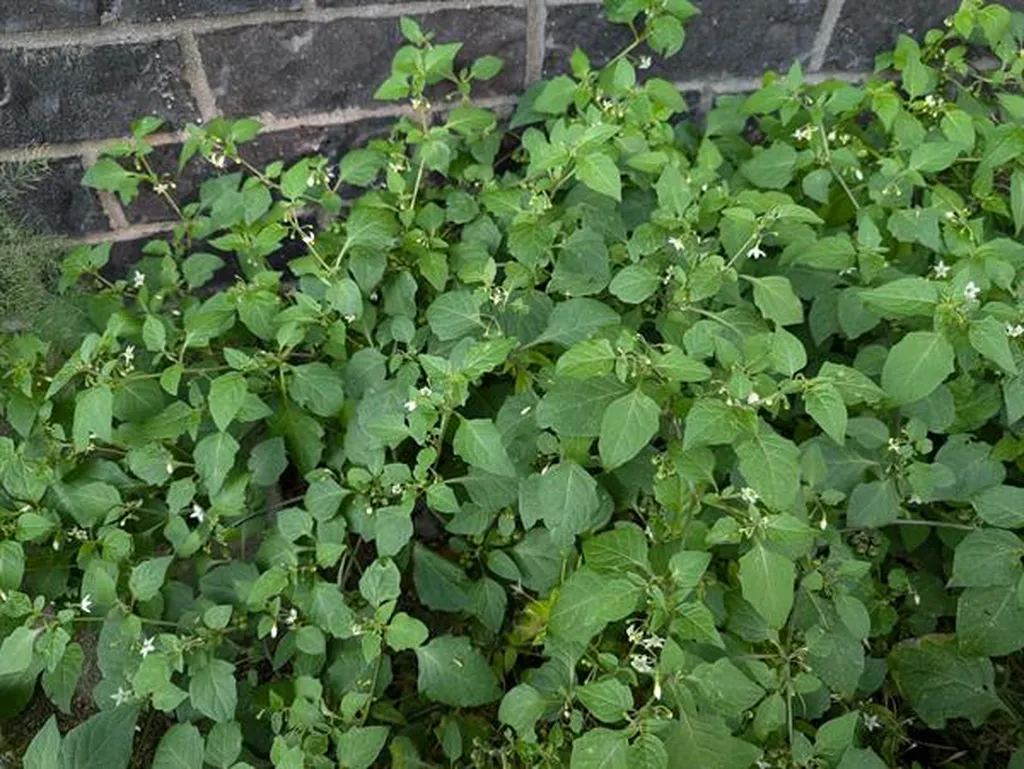
In the arid landscapes of Urumqi, Xinjiang, a silent battle is unfolding between an invasive plant species and the native flora. Solanum rostratum, commonly known as the spiny nightshade, is altering the ecological balance, and a recent study published in *Ecology and Evolution* sheds light on the intricate dynamics at play. Led by Lijun Hu from the College of Resources and Environment at Xinjiang Agricultural University, the research explores how different levels of S. rostratum invasion impact the diversity and functional traits of native plant communities.
The study reveals a nuanced picture of invasion’s effects. Initially, low to moderate levels of S. rostratum invasion can paradoxically increase local community diversity and stability. “At lower invasion levels, the invasive species seems to promote growth, creating a more diverse ecosystem,” explains Hu. However, this trend reverses dramatically under high invasion levels, where diversity plummets and ecosystem stability is severely compromised. The community stability index, for instance, dropped by 46.21% in severely invaded areas, signaling a significant threat to ecological balance.
The invasive plant’s impact extends beyond biodiversity. S. rostratum restructures soil nutrient regimes, altering the very foundation of the ecosystem. “The competitive strategy of S. rostratum shifts from promoting to restricting local plant growth as invasion levels increase,” notes Hu. This shift leads to a sharp decline in biodiversity and ecosystem imbalance, posing challenges for sustainable agriculture and animal husbandry.
The commercial implications for the agriculture sector are profound. As ecosystems become less stable, farmers and herders face increased uncertainty. Crop yields may fluctuate, and livestock grazing patterns could be disrupted. The study underscores the need for timely intervention to prevent further spread of invasive species. “Timely control measures should be implemented upon the initial invasion to prevent further spread and maintain ecological security,” advises Hu.
This research not only highlights the ecological impacts of invasive species but also points to the broader implications for agricultural practices. As the world grapples with climate change and biodiversity loss, understanding these dynamics becomes crucial. The findings could shape future developments in invasive species management, promoting more resilient and sustainable agricultural systems.
In the quest for ecological balance, the battle against invasive species like S. rostratum is a critical front. With timely and effective measures, it is possible to safeguard the delicate equilibrium of our ecosystems, ensuring a stable future for agriculture and the communities that depend on it.