
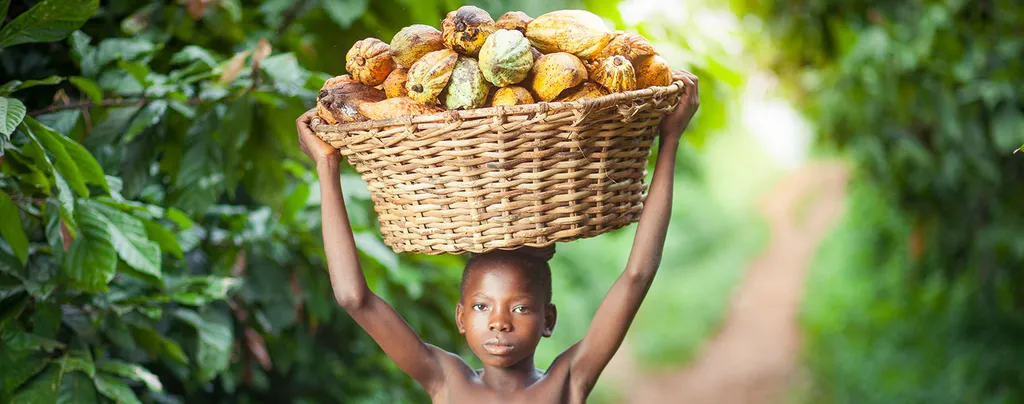
In the heart of Nigeria’s cocoa-producing regions, a critical study has shed light on the delicate balance between child labor, community resilience, and agricultural productivity. The research, published in the Turkish Journal of Agriculture: Food Science and Technology, delves into the Protective Community Index (PCI) of cocoa-growing communities in Ondo State, offering insights that could reshape child protection strategies and agricultural practices.
The study, led by Oluwatosin Fasina from the Federal University of Technology’s School of Agriculture and Agricultural Technology, reveals a moderate PCI score of 57.6 among the communities surveyed. This index, developed by the International Cocoa Initiative (ICI), serves as a barometer for community resilience and child protection mechanisms. “The PCI is a vital tool for understanding the social fabric of these communities and identifying areas where support is most needed,” Fasina explains.
The research highlights a concerning trend: while child labor in hazardous activities is not prevalent, a significant number of children are still involved in cocoa production, leading to school absenteeism. “Children’s involvement in cocoa farming activities was low, with an average participation score of 16.74,” Fasina notes. This statistic, though seemingly low, underscores the need for better child protection measures and improved access to quality education.
The study also uncovers inadequacies in social amenities, such as water and healthcare, and insufficient welfare structures, including scholarships and feeding programs. These findings have profound implications for the agriculture sector, particularly in cocoa production. Ensuring child protection and community resilience is not just a moral imperative but also a commercial one. A stable, well-supported community is more likely to produce high-quality cocoa, driving economic growth and sustainability.
The research emphasizes the need for increased youth engagement in agriculture, gender equality in leadership roles, and enhanced social amenities. These recommendations could foster child protection and sustainable community development, ultimately benefiting the entire cocoa supply chain.
As the agriculture sector continues to evolve, this study serves as a wake-up call for stakeholders to prioritize child protection and community resilience. By addressing these issues, the sector can ensure a more sustainable and equitable future for all. The findings of this research could shape future developments in the field, driving innovation and policy changes that prioritize the well-being of communities and the sustainability of agricultural practices.