
In the heart of Tanzania, where smallholder farmers cultivate the majority of the nation’s maize, a new study sheds light on the intricate factors influencing their market participation. Published in *Cogent Food & Agriculture*, the research led by Angela Burton Mboma from the Department of Business Studies at Mzumbe University’s Mbeya Campus College, delves into the determinants of maize commercialization among smallholder farmers, offering insights that could reshape agricultural policies and practices.
The study, which analyzed data from 1,529 households, reveals a complex interplay of household characteristics, assets, access to information, and market engagement that dictates the intensity of maize commercialization. Using a Tobit regression model, the researchers identified several key factors that significantly enhance commercialization. Among these, the ownership of durable assets, access to market information, and the number of adult household members emerged as critical drivers.
“Durable assets ownership and access to market information are pivotal as they enable farmers to separate production and consumption decisions,” explains Mboma. This separation is crucial for farmers to engage more actively in the market, thereby increasing their commercialization levels.
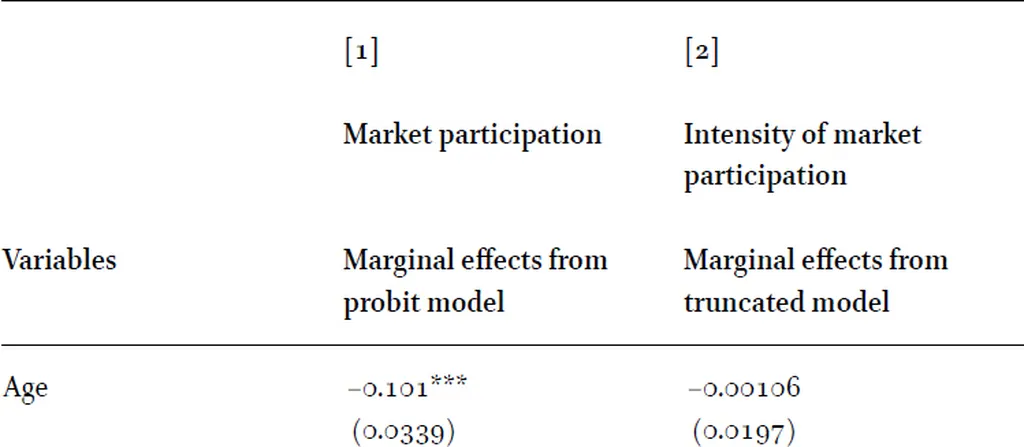
However, the study also uncovered counterintuitive findings. Higher household income, an unmarried household head, older age, and larger plot sizes were associated with lower levels of commercialization. These findings suggest that social-cultural factors often override profit-maximizing behavior. Wealthier and older farmers tend to prioritize household food security and kinship affairs over maize sales. Additionally, land and labor decisions are influenced by inheritance norms and gender roles, which can hinder market participation.
The implications for the agriculture sector are profound. To boost commercialization, the study recommends a multi-pronged policy approach. This includes improving access to finance, strengthening digital and extension-based information systems, enhancing market infrastructure, and providing targeted support for women and youth. Sustainable intensification strategies to improve productivity and resilience are also crucial.
The research highlights the need for a nuanced understanding of the factors that drive or impede commercialization among smallholder farmers. By addressing these determinants, policymakers and agricultural stakeholders can develop more effective strategies to support smallholder farmers, ultimately enhancing their market participation and contributing to economic development.
As the agricultural sector continues to evolve, this study serves as a critical guide for future developments. It underscores the importance of considering both economic and social-cultural factors in policy-making, ensuring that interventions are tailored to the unique needs and contexts of smallholder farmers. In doing so, the sector can move towards a more inclusive and sustainable future, where smallholder farmers play a central role in driving economic growth and food security.