
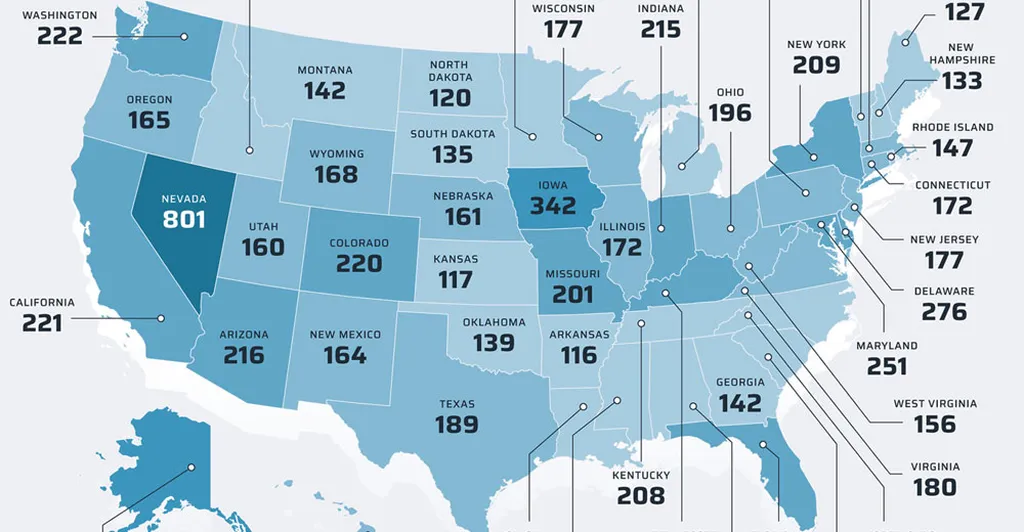
In the heart of North Dakota, a pressing concern is taking root in the agriculture industry: cybercrime. Jeff Gale, NDSU Extension Ag and Natural Resources Agent for Foster County, recently brought this issue to light during Central Dakota Ag Day, an annual event that draws hundreds of attendees eager to learn about the latest in agriculture.
Gale’s warning was echoed by Chris Sherman, CEO of Tech Support Farm, a Fargo-based company dedicated to technology security in agriculture. Sherman emphasized that the increasing reliance on technology in the agriculture industry, both on farms and in the marketplace, has made the security of that technology more critical than ever.
The rapid evolution of agriculture from a relatively low-tech industry to a highly connected one has been swift, with Sherman noting that over 2 million sensors could be hooked to the internet in North Dakota alone within the next five years. This rapid expansion, while beneficial in many ways, has also opened the door to cybercrime.
The scope of cybercrime in agriculture is hard to determine, with Sherman citing an FBI estimate that 85 to 90% of cybersecurity breaches in agriculture go unreported. This is due, in part, to the embarrassment that can come with such breaches, as well as the difficulty in determining where to report them.
Despite the reluctance to discuss cybercrime, Sherman stressed the importance of doing so and taking steps to protect oneself. He gave several examples of large agribusinesses, such as JBS and Dole, that have been targeted by ransomware attacks. He also specifically discussed the Crystal Valley Co-op ransomware attack, which caused the business to come to a halt in 2021, costing them millions of dollars.
The Cybersecurity and Infrastructure Security Agency, a federal agency within the Department of Homeland Security, has classified agriculture as one of 16 critical infrastructure industries. Sherman explained that agriculture has several characteristics that make it a prime target for cybercrime. These include the fact that food is a national security issue, the technology used in the industry is accessible, and cybersecurity efforts on farms are often weak.
Sherman also noted that there is a significant amount of money in agriculture, from the largest businesses down to the smallest farms. With more than 1 million farms in the U.S., and an average of more than $1 million invested in equipment and access to more than $500,000 in cash at any given time, agriculture is a lucrative target.
In light of these concerns, Sherman offered several pieces of advice for protecting oneself from cybercrime. He stressed the importance of investing in more secure email, learning about phishing attacks, and using strong, original passwords. He also recommended investing in more secure, commercial computers and other technology infrastructure.
As the agriculture industry continues to evolve and rely more heavily on technology, the need for robust cybersecurity measures will only grow. By taking proactive steps to protect themselves, farmers and agribusinesses can help ensure the security and success of their operations in the face of this emerging threat.