
In the heart of Florida, a new wave of technological innovation is sweeping through the agriculture sector, and it’s not something you’d typically find in a farmer’s toolbox. It’s LiDAR, a remote sensing technology that uses laser pulses to create intricate 3D maps of the Earth’s surface. And now, thanks to a new guide published in EDIS by Yesenia Sánchez from the University of Florida, anyone can harness this powerful tool to create Digital Terrain Models (DTMs) and hillshade visualizations using ArcGIS Pro software.
LiDAR technology has been around since the 1960s, but recent advancements have made it more accessible and affordable. It’s not just about mapping the terrain anymore; it’s about understanding it in a way that can drive precision agriculture, land management decisions, and even mosquito control. “LiDAR data is a game-changer,” says Sánchez. “It provides a level of detail and accuracy that traditional methods simply can’t match.”
So, how does this translate into commercial impacts for the agriculture sector? Imagine a farmer being able to map their fields with such precision that they can identify micro-terrain features that affect water drainage, soil erosion, and crop health. This isn’t just about efficiency; it’s about sustainability. By understanding the terrain better, farmers can make informed decisions that conserve resources and improve yields.
The guide provides practical instructions on creating DTMs and hillshade visualizations from LiDAR data. It’s designed for a wide audience, from industry partners and governmental agencies to scientists and the public. Sánchez emphasizes, “We want to democratize this technology. The more people who can use LiDAR data, the more innovative applications we’ll see.”
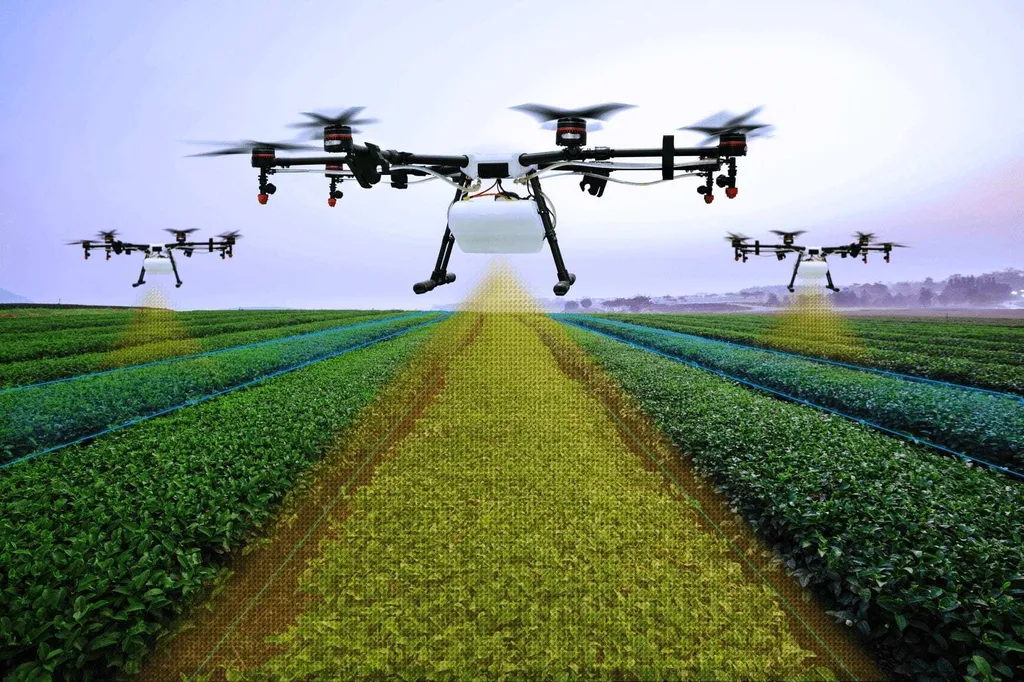
The potential for future developments is immense. As more people start using LiDAR data, we can expect to see a surge in innovative applications across various sectors. In agriculture, this could mean everything from automated irrigation systems that respond to real-time terrain data to drones that use LiDAR for precision planting and harvesting.
But the impact doesn’t stop at the farm gate. The ability to create detailed DTMs can also aid in urban planning, disaster management, and environmental conservation. It’s a tool that can help us understand our world better and make more informed decisions about how we interact with it.
As Sánchez and her team continue to push the boundaries of what’s possible with LiDAR technology, one thing is clear: the future of agriculture—and many other sectors—is looking increasingly digital. And with guides like this one, that future is accessible to everyone.