
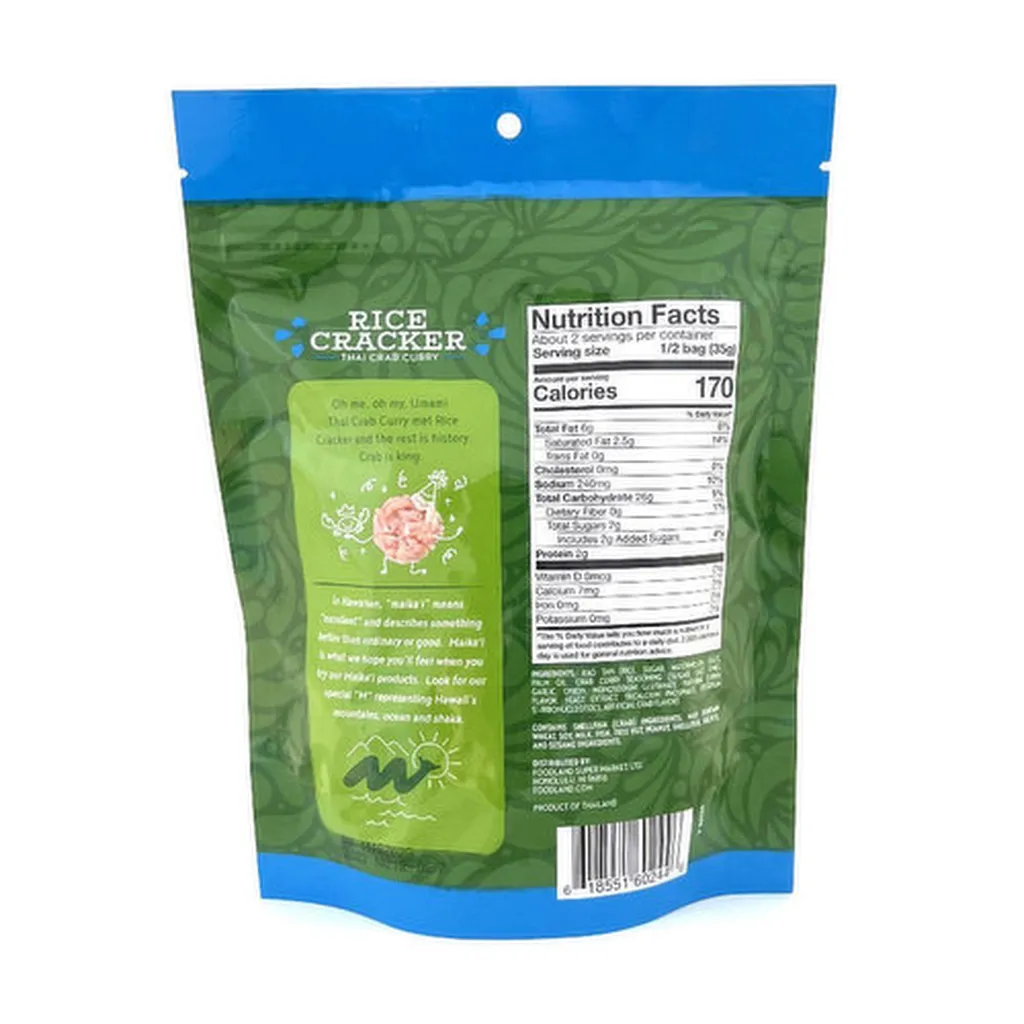
In the bustling world of agritech and food innovation, a novel approach to enhancing the nutritional value of a beloved snack has emerged from an unlikely source: the mangrove leaves of the Sangihe Islands, Indonesia. Researchers have successfully developed functional rice crackers infused with Rhizophora mucronata leaves, a discovery that could have significant implications for the agriculture and food industries.
The study, led by Wendy Alexander Tanod of Politeknik Negeri Nusa Utara, aimed to transform ordinary rice crackers into a powerhouse of nutrition and antioxidants. By incorporating mangrove leaves, the researchers sought to boost the snack’s health benefits without compromising its appeal. The results, published in the journal ‘Advances in Food Science, Sustainable Agriculture, and Agroindustrial Engineering,’ are promising.
The research team extracted compounds from the mangrove leaves using Gas Chromatography-Mass Spectrometry (GC-MS), identifying 10 fatty acid-derived profiles. These compounds were then integrated into rice crackers, which underwent rigorous testing for proximate composition, sensory characteristics, and antioxidant capacity.
Proximate analysis revealed that the enriched rice crackers contained 12.62% protein, 18.51% fat, and 59.75% carbohydrate, meeting the Indonesian National Standard (SNI) for moisture content. Sensory evaluations showed that the panelists rated the enhanced rice crackers with “like” to “very like” scores for appearance, aroma, taste, and texture, indicating a high level of acceptance.
“Our goal was to create a functional food that not only meets nutritional standards but also appeals to consumers,” said Tanod. “The sensory evaluation results confirm that we have achieved this balance, making the rice crackers both healthy and enjoyable.”
The antioxidant capacity of the rice crackers, although moderately affected by the frying process, still demonstrated significant activity (IC50 = 123.38 µg/mL). This finding underscores the potential of Rhizophora mucronata leaves as a valuable functional ingredient.
The commercial impacts of this research are substantial. For the agriculture sector, this innovation opens up new avenues for utilizing mangrove leaves, which are abundant but often underutilized. Farmers and producers can explore the cultivation and processing of these leaves, creating a new revenue stream and promoting sustainable agriculture.
Moreover, the food industry stands to benefit from the development of functional foods that cater to the growing consumer demand for healthier snack options. The successful integration of mangrove leaves into rice crackers could pave the way for similar innovations in other food products, enhancing their nutritional profiles and market appeal.
As the world continues to seek sustainable and nutritious food solutions, this research offers a glimpse into the future of functional foods. By harnessing the power of nature’s bounty, we can create innovative products that not only satisfy our taste buds but also contribute to our well-being.
“The potential applications of this research are vast,” Tanod added. “We hope that our findings will inspire further exploration into the use of mangrove leaves and other natural ingredients in food production, leading to a healthier and more sustainable future.”
In the ever-evolving landscape of agritech and food science, this study serves as a testament to the power of innovation and the endless possibilities that lie at the intersection of agriculture, technology, and nutrition. As we continue to push the boundaries of what is possible, we move closer to a world where food is not just a source of sustenance but also a catalyst for health and well-being.