
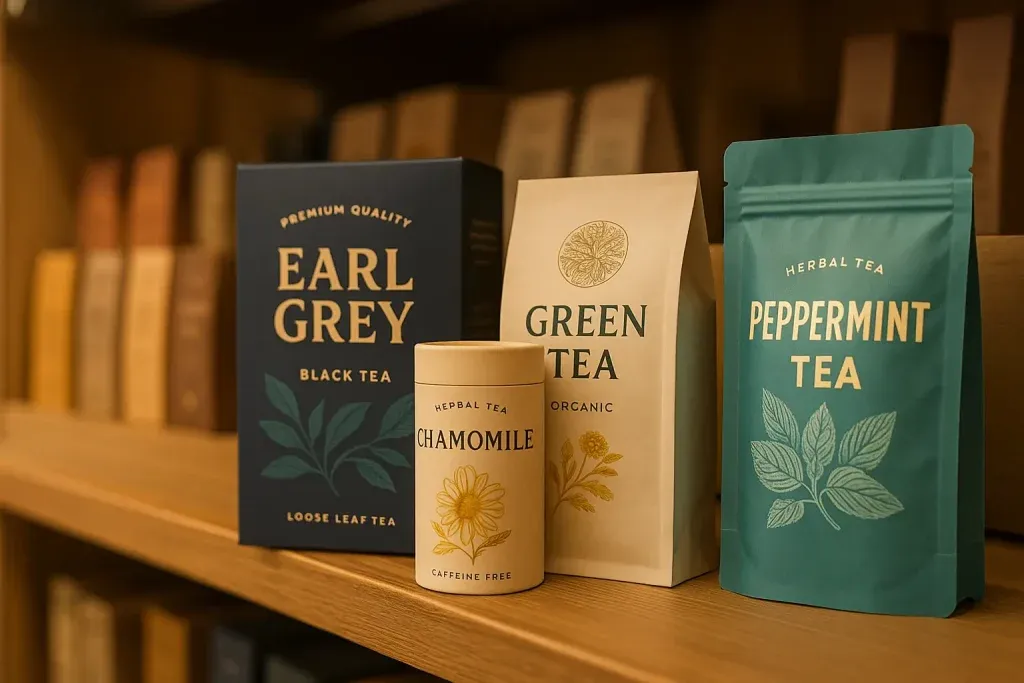
In the bustling aisles of supermarkets, a quiet revolution is brewing—one that’s not just about flavor or price, but about the environmental footprint of our daily cup of tea. A recent study published in *Advances in Food Science, Sustainable Agriculture, and Agroindustrial Engineering* sheds light on how green products and marketing strategies are reshaping consumer perceptions and purchase decisions in the packaged tea industry. Led by Siska Nifro’atul Farida of Universitas Brawijaya, the research offers compelling insights into the commercial impacts of sustainability efforts in agriculture.
The study zeroed in on tea packaged in Returnable Glass Bottling (RGB) in Malang City, a region known for its vibrant tea culture. By surveying 160 consumers and analyzing the data using the Partial Least Square (PLS) method, the researchers uncovered a clear trend: green products and green marketing significantly enhance brand image and influence purchasing decisions. “Our findings suggest that consumers are not just buying tea; they’re buying into a brand’s commitment to sustainability,” Farida explained. This shift in consumer behavior has profound implications for the agriculture sector, where sustainability is increasingly becoming a competitive advantage.
The study’s results underscore the importance of green strategies in building a positive brand image. When companies adopt eco-friendly practices—such as using recyclable packaging or sourcing ingredients sustainably—they’re not just doing good for the planet; they’re also bolstering their market position. “A strong brand image acts as a mediator, amplifying the impact of green strategies on consumer purchasing decisions,” Farida noted. This means that for tea producers and other agricultural businesses, investing in sustainability isn’t just a moral imperative—it’s a smart business move.
The commercial impacts of this research are far-reaching. As consumers become more environmentally conscious, brands that fail to prioritize sustainability risk falling behind. The study suggests that companies in the packaged tea industry—and by extension, the broader agriculture sector—should double down on green initiatives to stay ahead of the curve. Whether it’s through innovative packaging solutions or transparent marketing campaigns, the message is clear: sustainability sells.
Looking ahead, this research could shape future developments in the field by encouraging more companies to integrate green practices into their operations. It also highlights the need for further studies to explore how different regions and demographics respond to green marketing. As Farida put it, “The shift toward sustainability is just beginning, and the agriculture sector has a unique opportunity to lead the way.”
In an era where environmental concerns are top of mind for consumers, the findings of this study serve as a wake-up call for the agriculture industry. By embracing green products and marketing, companies can build stronger brand images, foster consumer loyalty, and ultimately drive sales. The future of tea—and agriculture as a whole—may well be green.